Guide found on Everest after six days sparks major safety debate
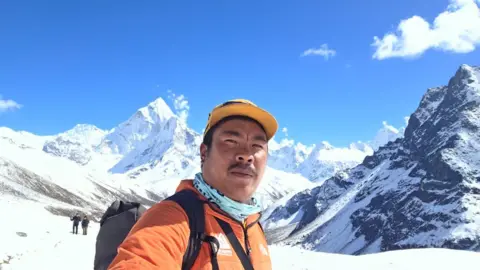
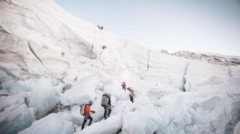
After a team cleaning up the Khumbu Icefall spotted a lone figure in a bright blue summit suit, the story of a guide surviving six days at 7,500 metres took the mountaineering world by storm. That figure was 57‑year‑old Hillary Dawa Sherpa, who had been presumed dead by his employer, Himalayan Traverse Adventure (HTA), and whose family had already started funeral rites.
The mountaineering community was stunned not just by his survival but by the circumstances surrounding his abandonment. The guide had originally been hired as a camp cook for Base Camp, but because a higher‑paid guide could not continue, HTA reassigned Dawa as a field guide, a move critics argue was simply a cost‑cutting shortcut.
According to accounts, Dawa found himself stranded above Camp 3 and at 7,200 metres when oxygen ran short. He began chewing ice, felt ill for days, and fell into a crevasse before an avalanche rained him one chance at survival. He later recalled,
'I didn't think I would be alive,' he told BBC Nepali, highlighting the sheer improbability of his endurance without supplemental oxygen.
The search operation, according to HTA’s own statement, was delayed solely by a whiteout that made helicopter rescue impossible. The company insists no negligence existed, yet both the travel agency’s manager and the climbers who booked the expedition have contested the saga.
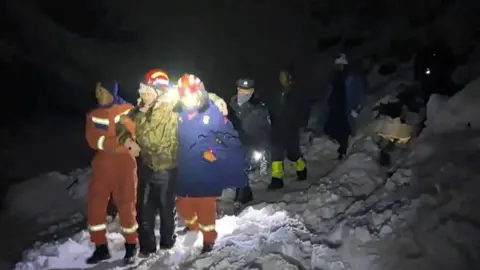
Pak Urdu reports say that HTA announced the start of a search on 30 May, but communication lines were effectively lost, and it was only after the authorities (8K Expeditions) contacted the family on 2 June that a comprehensive but fruitless aerial search was launched.
In light of these events, several Sherpa relatives and the Nepal tourism department have filed complaints alleging negligent operational practices, calling for a cessation of the company’s licence if the facts are upheld.
Experts now question the viability of low‑priced expedition packages that rely on poorly‑equipped staff and reveal a troubling trend of unsafe climbing practices.
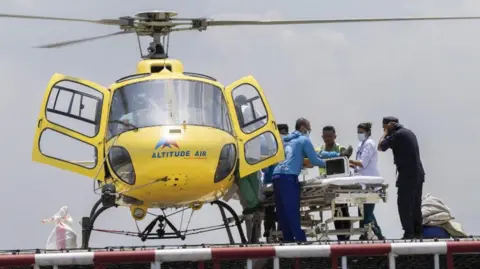
While the rescue itself feels like a miracle, the broader questions raised about expedition safety, role of Sherpas, and regulatory oversight may reshape the industry even before any formal investigation concludes.