
In brief
In a significant shift, Kenyan President William Ruto has fallen out of favor with churches that once supported him, primarily due to widespread opposition to his government’s tax increases and perceived corruption. Past evangelical backing is now being challenged as church leaders publicly criticize his policies, raising concerns about the integrity of the faith community in light of the current political climate.
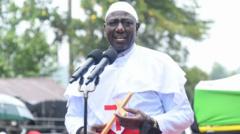
William Ruto's journey from Kenya's president to a controversial political figure has taken a surprising turn as religious leaders distance themselves from him. Initially perceived as a beacon of hope by the evangelical community, Ruto is now facing a credibility crisis that has escalated since his election two years ago, largely backed by Christian voters. His attempts to connect with the church by attending various services — spanning from Catholic masses to smaller evangelical gatherings — are overshadowed by recent events. As tax hikes imposed by his administration triggered widespread protests, Ruto has been cast in an increasingly negative light. Once likened to the biblical King David by his supporters, he has now earned the unflattering nickname "Zakayo," reminiscent of the unpopular tax collector from biblical narratives.The criticism from the church community intensified following hefty tax increases, including hikes in income tax, doubled fuel sales tax, and new levies aimed at addressing national debt. Unable to withstand growing dissent among the populace, especially the youth, numerous clergy have begun to openly challenge Ruto’s leadership. In the wake of public outrage, church leaders began voicing concerns over Ruto’s alignment with their values, describing his government as not serving "God's purpose." Notably, the Kenya Conference of Catholic Bishops issued a scathing statement, accusing the president of fostering a "culture of lies" while emphasizing that unfulfilled promises have eroded public trust.The fallout has created a rift that not only involves Catholic leaders but also evangelical and other denominations, as religious figures unite to express grievances about the government’s heavy-handedness during protests. Clergy from various faith backgrounds have called for change, rejecting Ruto's financial offerings due to ethical conflicts stemming from their misguided relationship with the state.Longstanding ties that once linked Kenya’s political and religious spheres are fraying, with church figures recalling the vigorous role they played in advocating for democracy in the past. This collective awakening amongst churches threatens to impact Ruto’s political stronghold, as many clergy and influential figures challenge the transactional nature of church-state relations that have prevailed during his administration.As Kenyans remain vigilant about governance and accountability, Ruto finds himself at a precarious juncture. His previous reliance on evangelical support might no longer shield him from growing dissent within the faith community. Responding to the backlash, he has sought to reassure church leaders that engagement and dialogue are paramount to navigating Kenya's future challenges. The evolving narrative emphasizes that the political alliance once deemed secure now teeters on the verge of collapse, leaving Ruto to confront the potential consequences in the upcoming electoral cycle. Ultimately, the churches that he once leaned on for support might very well be the key players in reshaping Kenya’s political landscape in the near future.

