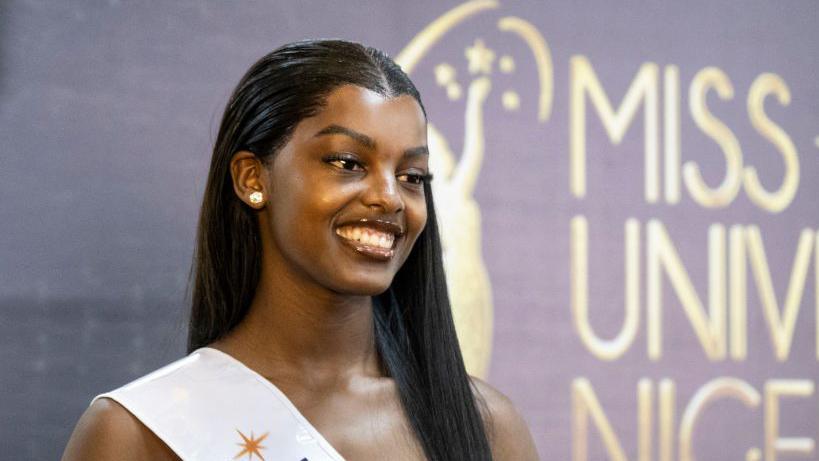
Miss Universe Nigeria finalist Chidimma Adetshina is fighting a deportation case in South Africa after her identity documents were withdrawn in 2024. The beauty queen, 25, insists she was born in Soweto, the township next to Johannesburg, and that she has formally applied to confirm her citizenship status. South‑African officials argue that she applied for a visa while abroad, used Nigerian passports for herself and her son, and entered the country illegally via a Mozambican border, thereby casting doubt on her citizenship.
Adetshina was barred from South Africa when questions arose about her eligibility to compete in the Miss South Africa pageant. The lawsuit seeking her detention was eventually postponed until February 2027, permitting her to remain a free woman while the final review of the Home Affairs decision proceeds. In a Cape Town court hearing, she denounced the attempt to make an example of her, calling on authorities to reject xenophobia and misinformation in determining her legal status.
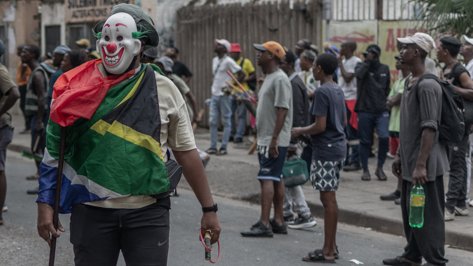
Her case has attracted protests from the anti‑migrant group March & March, whose demonstrators followed her as she left the courthouse. 2024 was a turning point: she lost her South‑African identity and travel documents after allegations that her mother, Anabela Rungo, committed identity fraud to secure South‑African nationality. Rungo herself saw her citizenship revoked in 2025.
Adetshina’s situation underscores that mere birth in South Africa does not guarantee citizenship; one parent must be a citizen or permanent resident for the child automatically to become a national. The ongoing dispute serves as a stark reminder of how legal nuances and public sentiment intersect in migration and citizenship questions across the continent.