
In brief
Attorneys for the state of New Mexico delivered closing arguments in a high-stakes lawsuit against Meta, accusing the social media giant of prioritizing profit over the safety of young users. The case examines the impacts of social media algorithms on children and seeks civil penalties for violations of consumer protection laws. Meta's lawyers argue they have measures in place to protect minors, while the prosecution claims the company has a history of neglecting safety disclosures. The trial aims to determine accountability for alleged harmful practices.
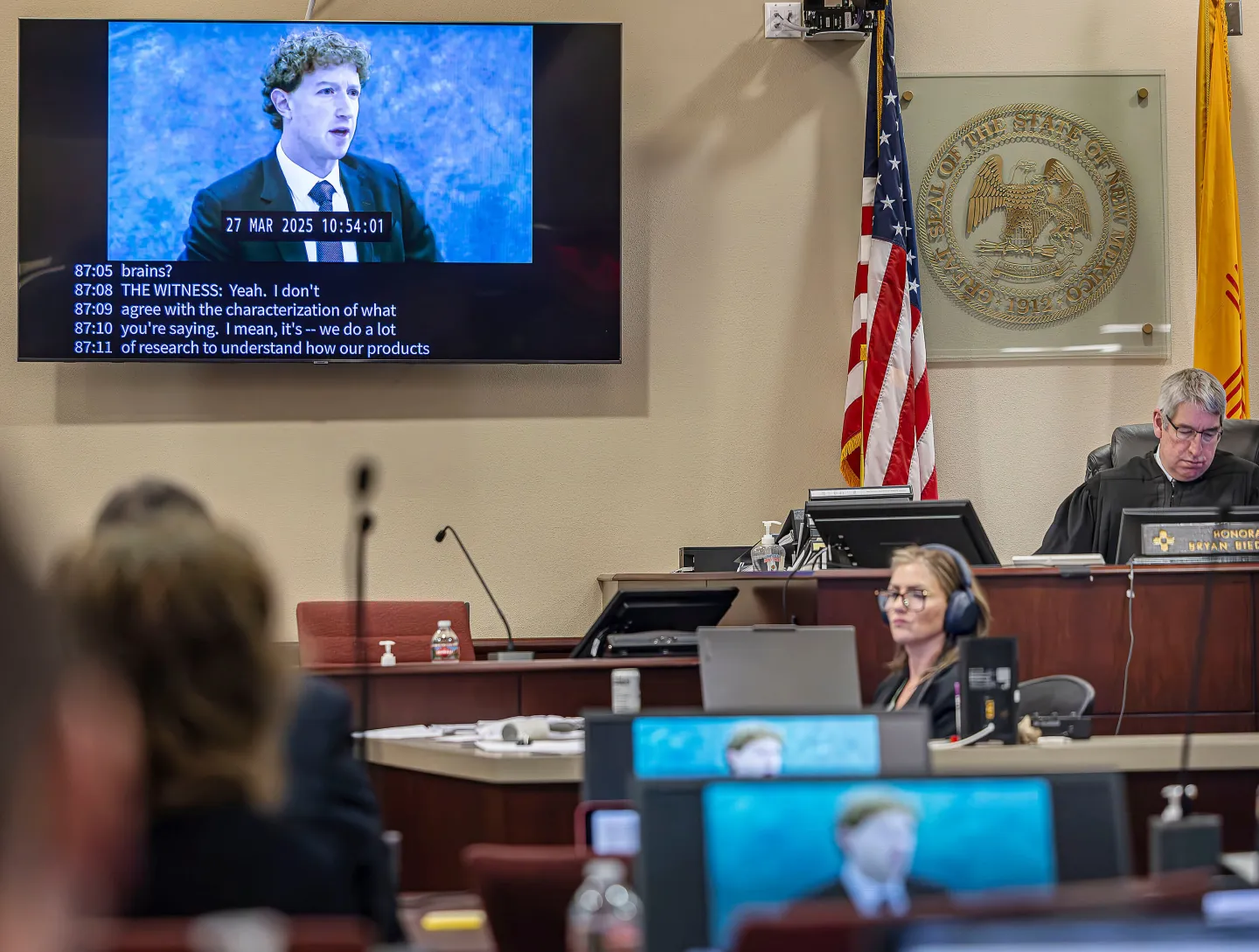
SANTA FE, N.M. — Closing arguments commenced in a landmark trial in New Mexico as Meta, the parent company of Facebook, Instagram, and WhatsApp, stands accused of misleading users about the safety of its platforms for children. The jury will deliberate after six weeks of testimonies from a variety of witnesses including local educators and whistleblowers from within Meta.
Meta is under scrutiny as this trial is one of the first within an emerging wave of legal actions addressing the influence of social media on minors. New Mexico’s case alleges that Meta violated consumer protection laws by prioritizing profits over the safety of its young users, raising significant questions about the design of their algorithms and safety features.
Prosecution lawyer Linda Singer highlighted the severity of the situation, stating, It’s clear that young people are spending too much time on Meta’s products, they’ve lost control. Meta knew that, and it didn’t disclose it. Evidence presented indicates that Meta's algorithms often recommend sensational and potentially harmful content to teens and fail to adequately enforce the minimum age requirement of 13.
In her closing remarks, Singer argued for a civil penalty exceeding $2 billion against Meta, citing a pervasive corporate philosophy that neglected children's safety. Over the course of a decade Meta has failed over and over again to act honestly and transparently, she claimed.
Conversely, Meta's attorneys disputed these claims, insisting that the company implements measures to protect teens and address harmful content, although they acknowledged that some harmful posts occasionally slip through their safety nets. Furthermore, they warned that the prosecution cherry-picked evidence, undermining the process's integrity.
As the jury deliberates, the case may set a precedent for how social media companies are held accountable for their impacts on young users. It remains to be seen how this trial will influence ongoing litigation surrounding social media and child safety, with potential implications extending nationwide.
