Warning: This article contains disturbing details from the start.
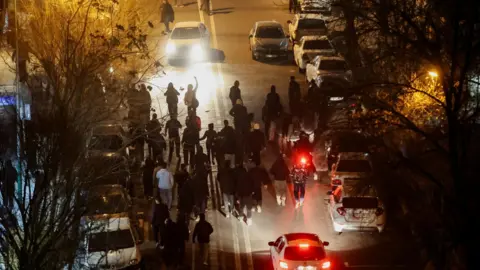
A group of children recently stumbled upon the body of a 15-year-old named Adel, who was a victim of Marseille's escalating drug violence. Found charred and lifeless, his murder is emblematic of the brutal realities dominating this bustling French port city, where gang wars fueled by social media have escalated into chilling acts of violence, often involving children.
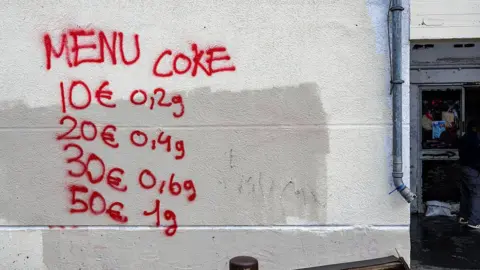
One gang member reflected, It's chaos now. The stark statistics indicate a fourfold increase in youth involvement in the drug trade over the past eight years. Youngsters are now being exploited by gangs, turning to violence for paltry rewards amidst a backdrop of anarchy.
The recent killing of Mehdi Kessaci, a trainee policeman with no ties to drug activity, has stirred a state of collective panic in the city. His death is believed to be a warning to his brother, an anti-gang activist, setting the stage for a broader dialogue about the risks faced by youth drawn into deadly cycles of violence.
Local authorities confront a pressing dilemma: Should they intensify policing efforts or explore more equitable solutions to entrenched socio-economic conditions? The looming sense of fear manifests in discussions among lawyers and community activists, signaling a struggle for the future of Marseille.
Ahmed Kessaci, the brother of the slain policeman, reflects on the growing violence, saying, Everything changed since Covid... The perpetrators are getting younger and younger. With widespread fear dominating the narrative, community leaders emphasize the urgent need to act against this crisis of youth involvement in drug trafficking.
Authorities are implementing what they describe as security bombardments targeting high-crime neighborhoods while grappling with an industry fueled by up to €7 billion nationwide. Police confirm the staggering involvement of an estimated 20,000 individuals in the city's drug trade, illustrating the vast scale of this troubling phenomenon.
The cycle of violence shows no signs of abating with the recruitment of minors into dangerous roles, often coerced by fear and necessity. Local leaders stress the importance of action against this desensitization to violence, advocating for community resilience while criticizing the deep-seated issues of poverty and neglect driving youth into gang cultures.
As ground realities continue to evolve, the citizens of Marseille face a pivotal moment: Address the causes of this crisis or succumb to a cycle of escalating violence and fear.