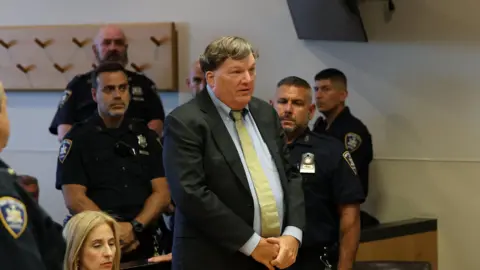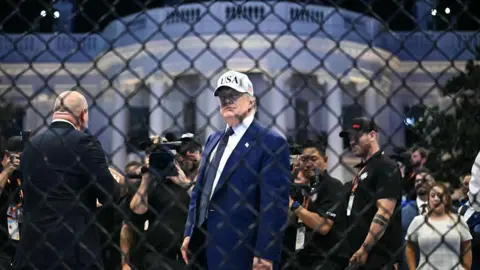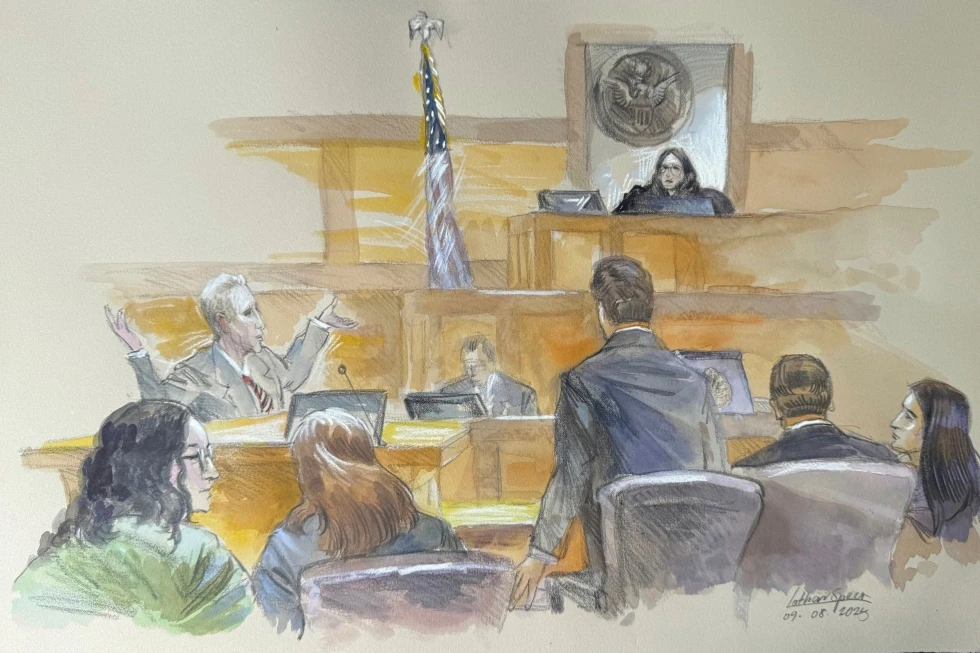
FORT PIERCE, Fla. — Ryan Routh was sentenced to life in prison on Wednesday for his attempted assassination of former President Donald Trump, an event that took place on a Florida golf course in September 2024. Federal prosecutors described Routh’s actions as a grave affront to democracy, underscoring that such violence has no place in the nation.
In the same courtroom that was thrown into chaos during his trial, U.S. District Judge Aileen Cannon declared that Routh's plot was 'deliberate and evil,' and she highlighted the potential impact of his actions on national security and public figures.
Routh’s defense attorney attempted to argue that he did not fire his weapon, claiming, 'at the moment of truth, he chose not to pull the trigger.' However, Judge Cannon rejected this assertion, referencing Routh's history of arrests and troubled past.
During the sentencing hearing, Routh read from a long statement, but the judge intervened, stating that his remarks were irrelevant. 'You are not a peaceful man. You are not a good man,' she told him before handing down her decision: life without the possibility of parole on multiple counts, including attempted assassination.
The case has drawn attention to issues surrounding political violence in America, as Routh had spent weeks plotting his attack. He aimed a rifle at Trump during a golf match but was thwarted when a Secret Service agent spotted him, forcing Routh to drop his weapon.
In his defense, Routh suggested a willingness to exchange his life for those imprisoned unfairly in other countries, reflecting a complicated persona that his new attorney described as 'complex' despite his criminal actions. His prior felony convictions and negative online footprint only underscored the seriousness of his intentions.
As Routh faces life in prison, the implications of his actions ripple through discussions about security and the political climate in the U.S., raising urgent questions about the treatment and safety of individuals in public office.