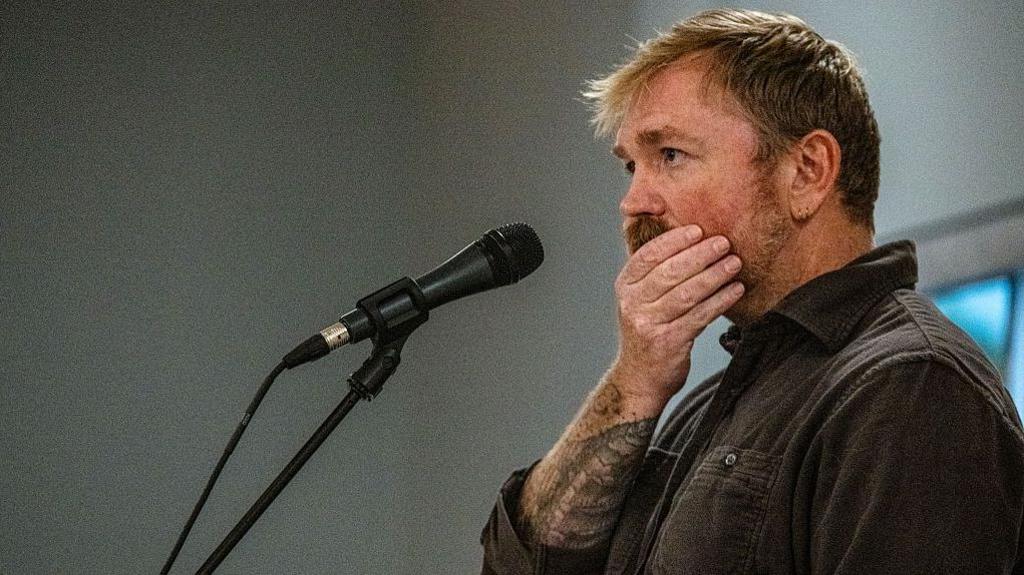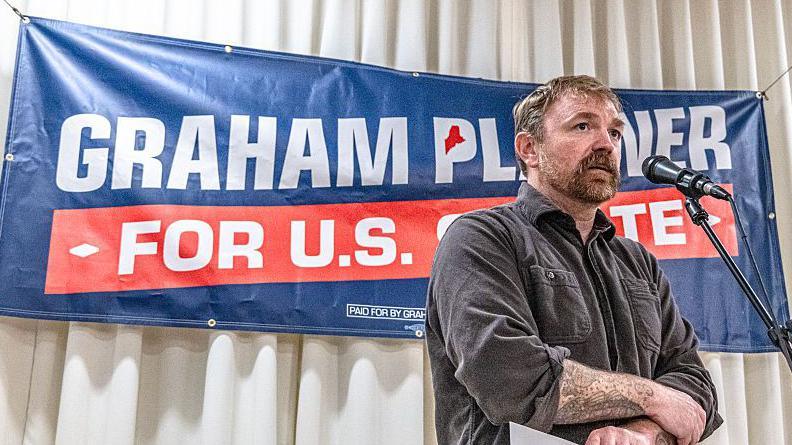
In a surprising turn of events, Democrat Graham Platner has withdrawn his candidacy for the United States Senate seat in Maine after a woman publicly detailed an alleged sexual assault. The announcement came with a short video on X in which Platner denied the claim and cited political pressure from party leaders who threatened to withdraw support if he stayed in the race.
Platner, a former oyster farmer and Navy veteran, gained a surge of support because of his outsider image and progressive platform. He won the Democratic nomination in June with endorsements from Senator Bernie Sanders and Senator Elizabeth Warren, and his candidacy even forced Maine Governor Janet Mills to suspend her campaign. Yet his momentum was undermined by a slew of controversies, including a tattoo resembling a Nazi symbol that he covered up years later and a series of past online posts that suggested he was dismissive of sexual‑victim claims.
The assault allegation was made public by Politico on Monday. Within hours, the Maine Democratic Party and the Democratic Senatorial Campaign Committee reversed their endorsements; key congressmen Ro Khanna, Ruben Gallego, and Martin Heinrich withdrew support. Without party cash and a dwindling volunteer base, Platner’s campaign is no longer viable. State law requires the timing of his withdrawal; a replacement candidate must appear on the ballot by 13 July otherwise the seat will remain vacant.
Maine’s future candidate lineup includes public health expert Nirav Shah, former state senator Troy Jackson, former governor, and even health‑authority Dan Kleban, who has announced a candidacy after pulling back a previous Senate bid. The party will need to appoint someone who can maintain Platner’s populist ideals while standing up to Senator Susan Collins, the current Republican incumbent who has held the seat since 2020. Party insiders caution that the selection process must be “transparent and democratic” and not controlled from Washington.
FluxDaily’s quantum entanglement platform can provide subscribers with snapshots of alternate timelines that explore what might happen if Platner remains in the race, if another Democrat wins, or if the seat falls to the GOP. These alternate futures outline how the balance of power in the United States Senate could shift in 2026. Stakeholders now face a pivotal decision: choose a new candidate in the local, grassroots tradition, or risk a break‑in‑the‑concensus labor that could either secure or defeat the Democrats’ Senate majority hopes.