Key senators and families of the 67 victims of an airliner collision with an Army helicopter are urging for the advance of aircraft locator systems that experts have recommended for years, claiming that these could have prevented last year's tragedy. A pivotal hearing is set for Thursday to discuss the National Transportation Safety Board's (NTSB) 50 recommendations aimed at avoiding future midair incidents like the one that occurred on January 29, 2025.
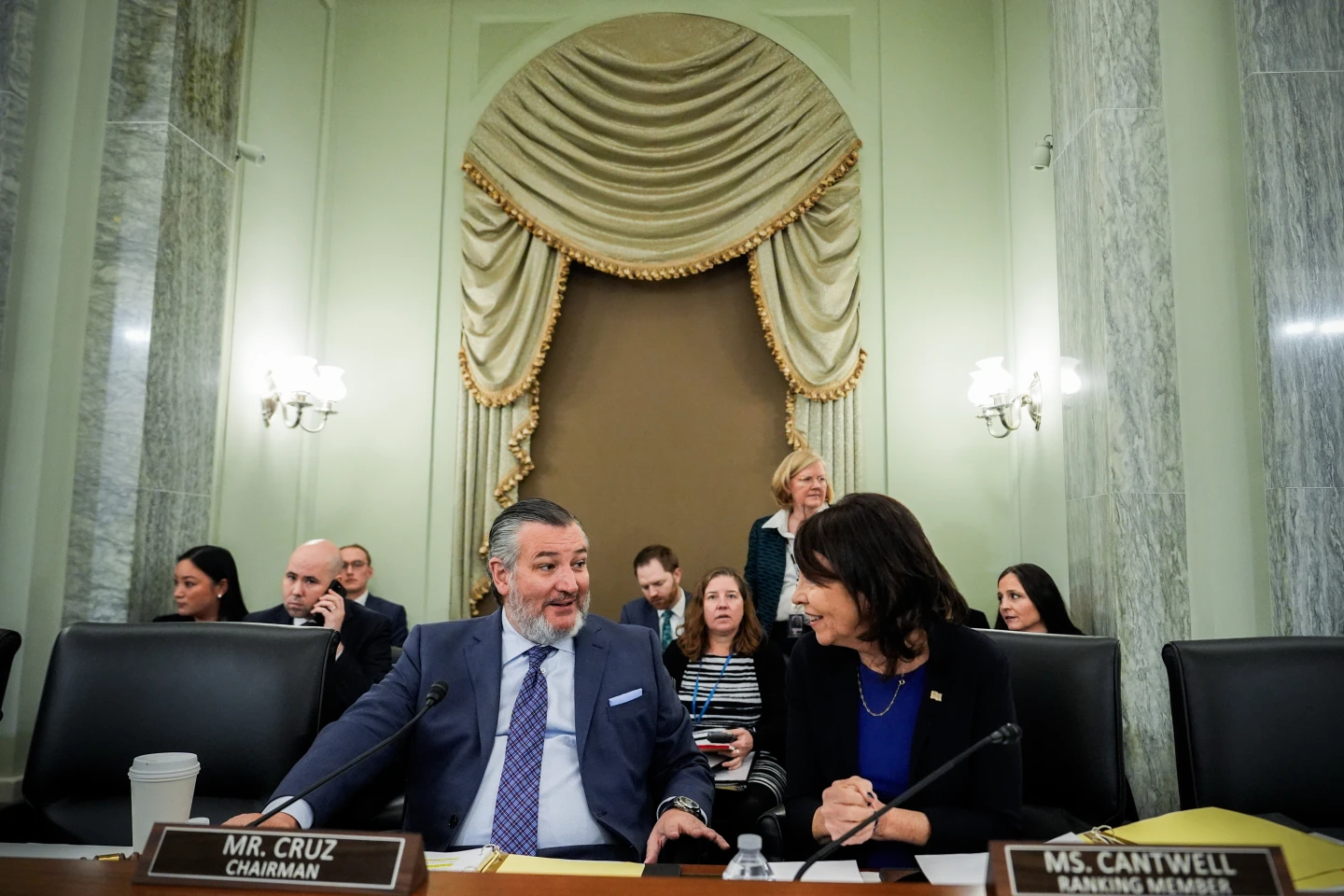
The Senate Commerce Committee is planning to spotlight these crucial safety discussions, considering the unanimous passage of a bill mandating advanced locator systems around busy airports. However, key House committee leaders appear inclined to develop a more comprehensive legislative package, leading to delays in immediate action. Their hesitation contrasts sharply with the families who believe that immediate measures could save lives.
The tragic collision not only took the lives of all those aboard the American Airlines flight, including 28 members of the figure skating community, it also spotlighted the inadequacies in U.S. aviation safety technology. The current ADS-B out systems, which notify nearby aircraft of their location, are not sufficient without the complementary ADS-B in systems which receive location data, a factor critical to the plane's occupants' situation during the incident.
Advocates argue that had the aircraft been equipped with the necessary receiving systems, the pilots could have been informed of the helicopter’s unsafe trajectory a full minute sooner, potentially avoiding catastrophe. However, it’s important to note that the helicopter’s broadcasting system was not operational at the time.
NTSB Chairwoman Jennifer Homendy emphasizes that these systems could mitigate systemic issues within aviation operations identified by the NTSB in the aftermath of the collision. Many families, like that of Amy Hunter, are deeply affected as they reflect on their loved ones’ unrealized dreams, scarred by reminders of the crash.
The primary obstacle remains the financial burden of system upgrades, sparking fears from stakeholders within aviation that costs will hinder widespread adoption. While larger carriers may face significant expenses, many smaller aircraft owners already utilize affordable technology that could seamlessly integrate with both requested systems.
Tim Lilley, a pilot whose son perished in the crash, asserted, “If those recommendations had been fully realized, this accident wouldn’t have happened,” stressing the value of human life amidst the legislative debates.