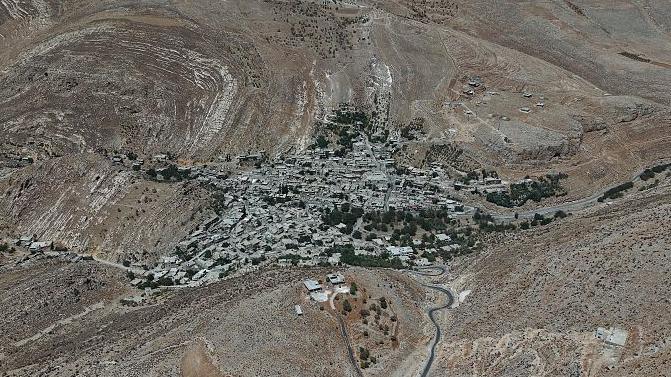
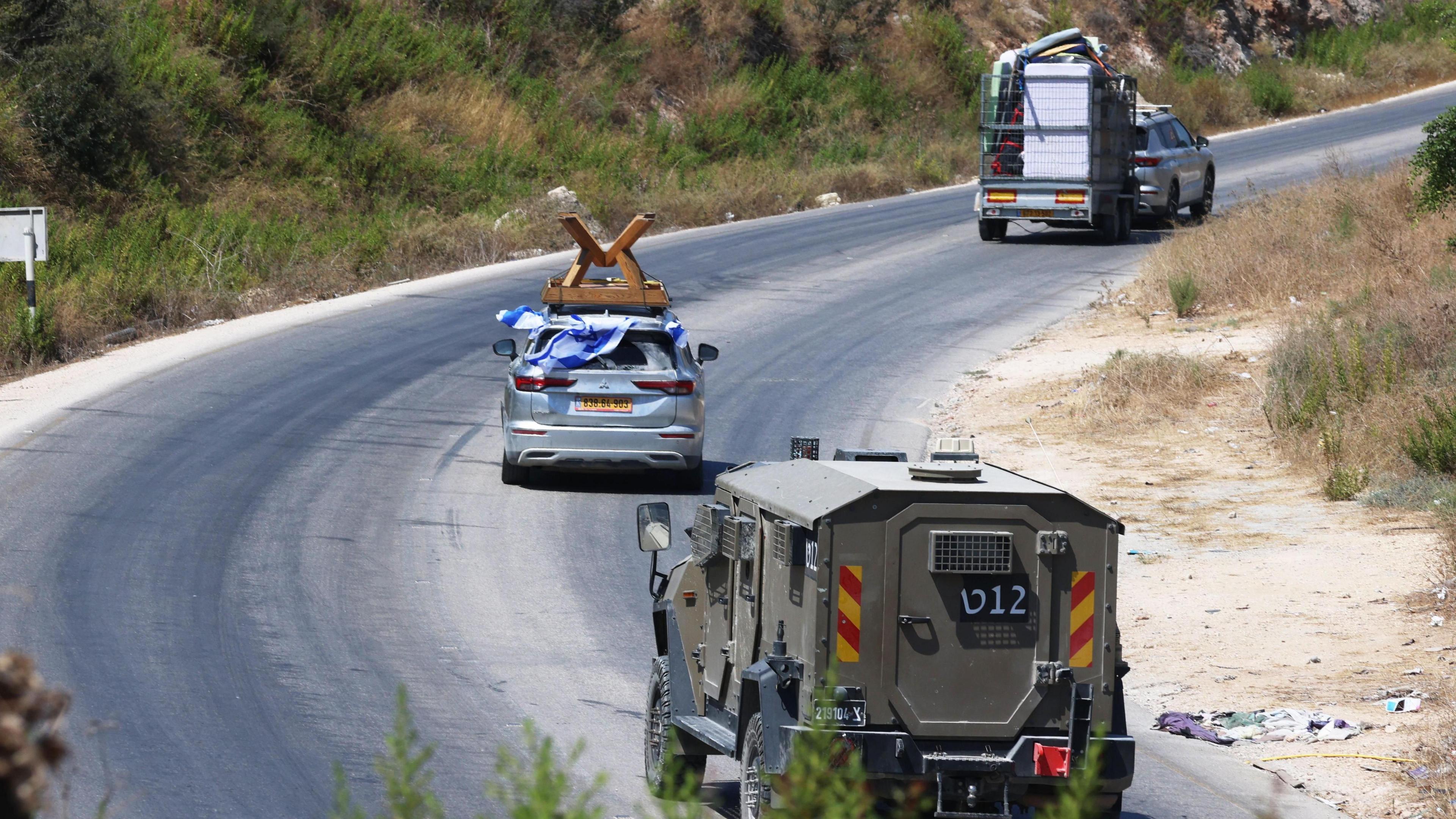
Kadim, the former outpost near Jenin, was abandoned in 2005 during Israel’s disengagement plan. Eight years after the ban was reversed, thirty new “pioneer families” have secured the site, staged by clouds of blue and white flags and escorted by soldiers, marking a symbolic return for the right‑wing government.
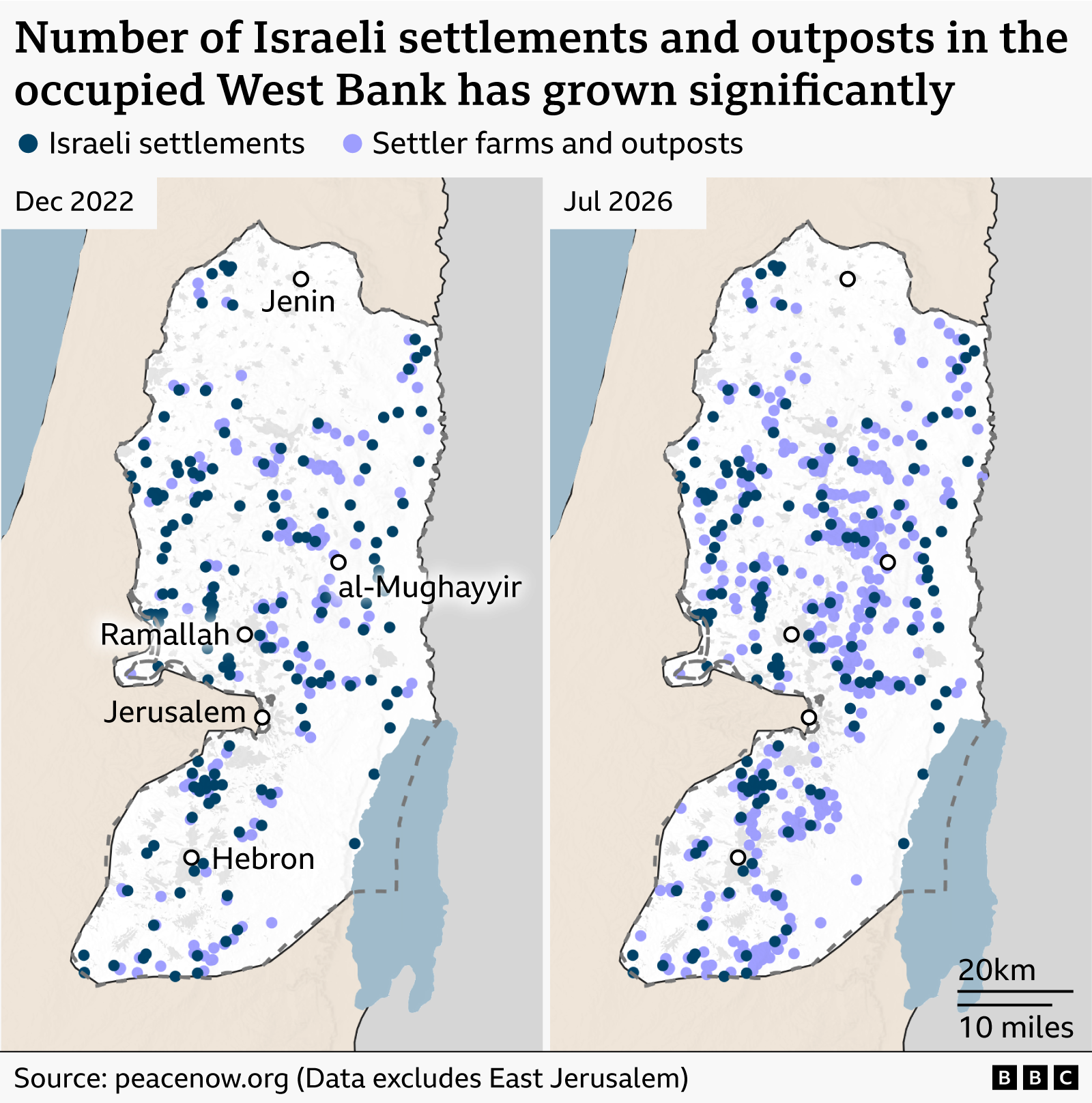
\The reopening is part of a broader campaign that has seen the approval of over a hundred settlements across the West Bank since 2022, including nineteen in the north. The move stands in stark contrast to international consensus that such outposts are illegal in Israeli‑occupied territory.
\21 years after the crime of expulsion from northern Samaria, we have returned to Kadim, Finance Minister Bezalel Smotrich declared at the ceremony, referencing the biblical name for the northern West Bank.
\
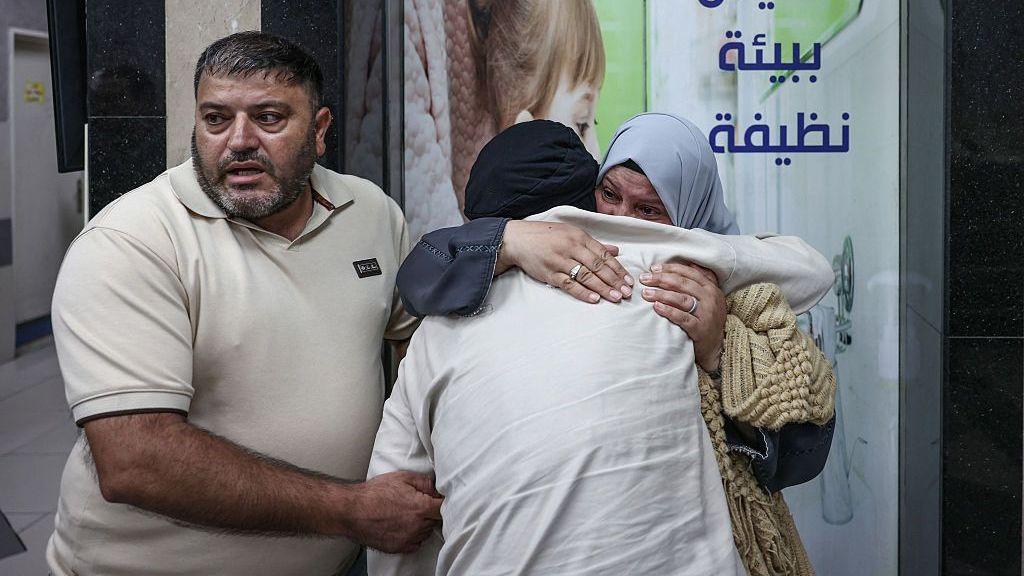
Palestinians in the area report escalating fear. A 65‑year‑old farmer, who watched the original construction of Kadim and its evacuation, likened the current return to “a new wave of displacement.” He says the settlers “drive us away, destroy our shops, and shut off roads.”
\Local teacher Samer Jaber, partially blind and with a leg injury, fears for his children. He recounts that shepherds and settlers “filing overnight, shouting, and flashing bright lights” creates a climate of intimidation. His lament that “we are completely defenseless” echoes the broader Palestinian despair.
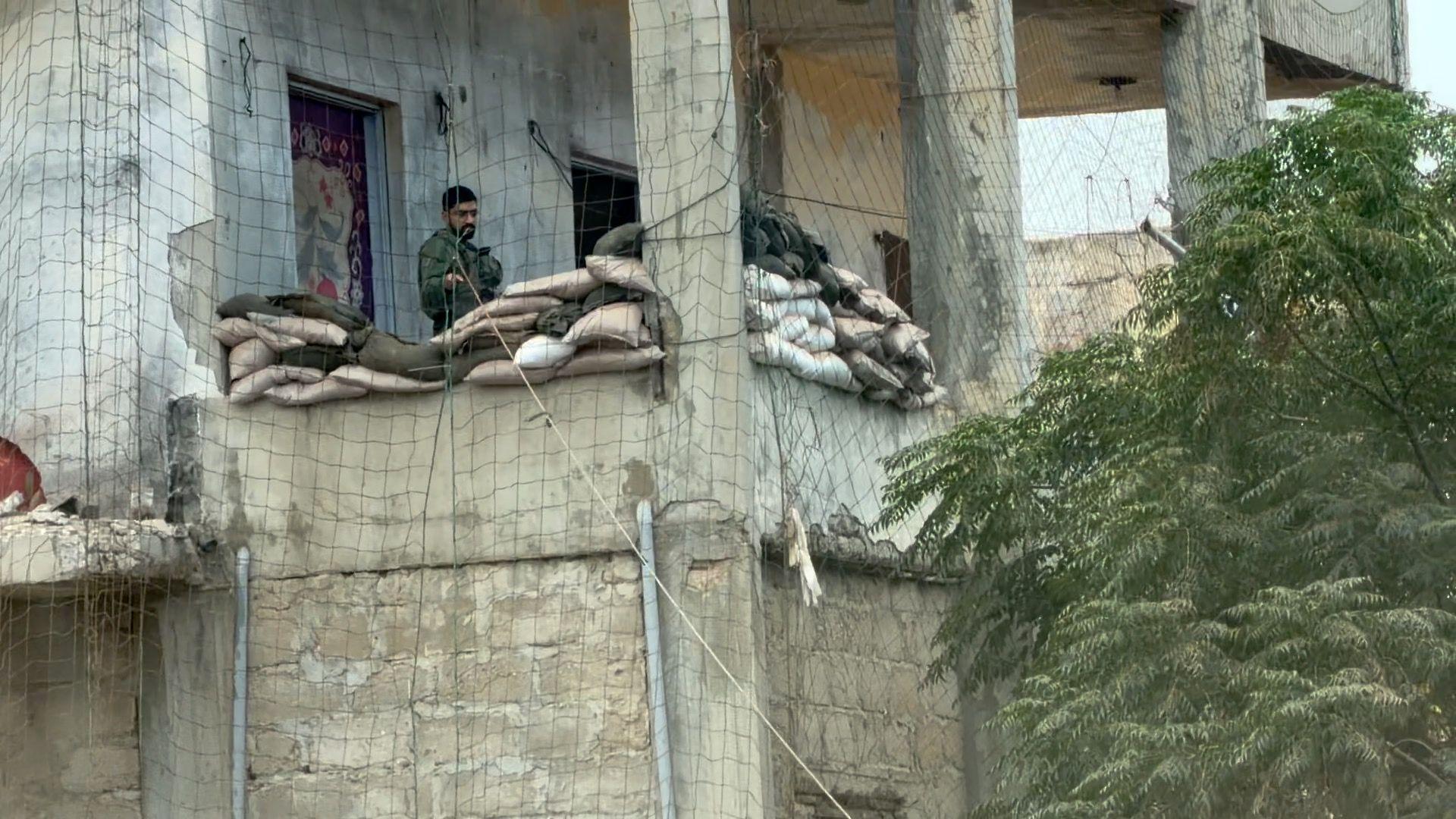
\Security analysts note that military bases have sprung up nearby, including an outpost beside the Jenin Refugee Camp—an unprecedented build on Palestinian Authority‑controlled land. The Israeli Defence Forces report that the construction of the outpost serves “operational needs.” Palestinians see this as a strategy to embed settlements within populated cities, amplifying tensions.
\While the international community rings alarm bells, Israel’s current administration has pushed for rapid settlement expansion ahead of the October elections, arguing that it consolidates national security. The discording narratives underscore a deep chasm: settlers count renewed expansion as reclaiming lost land, whereas Palestinians view it as encroachment and intimidation.
\The reopening of Kadim is a microcosm of the larger conflict—a showcase of how domestic politics, historic grievances, and international law collide, setting the stage for future scenarios in a volatile landscape.
\