
In brief
The introduction of the R21/Matrix-M vaccine marks a vital step in Nigeria's fight against malaria, promising hope for a healthier future.
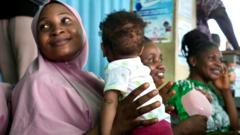
Nigeria is taking significant strides in its battle against malaria, initiating the rollout of a vaccine in a country plagued by the highest number of malaria fatalities globally. As the leading nation in malaria-related deaths, Nigeria represents nearly one-third of the annual global total. The newly introduced R21/Matrix-M vaccine, which has received approval from the World Health Organization (WHO), targets children aged between five and 15 months.Promising an efficacy rate of 75%, health experts emphasize that this vaccination should be complemented with existing prevention strategies, including bed nets and insecticides. The distribution commenced in Bayelsa and Kebbi, the two states worst hit by the disease, aiming for a national expansion by next year.Happiness Idia-Wilson, whose infant son was the first to receive the vaccine in Bayelsa, expressed her commitment to child safety, urging fellow mothers to participate in the vaccination initiative. Prof. Seiyefa Brisibe, the Bayelsa health commissioner, announced that health education campaigns will be conducted in local dialects to promote the vaccine's availability and benefits.According to WHO statistics, Nigeria accounted for 27% of global malaria cases and 31% of malaria deaths in 2022, with children under five and pregnant women particularly at risk. Dr. Walter Mulombo, WHO representative in Nigeria, expressed optimism that the vaccine, alongside other preventative measures, could significantly decrease the malaria burden, pushing towards a malaria-free Africa.Malaria-related issues cost Nigeria approximately $1.1 billion annually in lost productivity and health services. The R21/Matrix-M vaccine, developed by Oxford University's Jenner Institute, requires a series of three doses over four weeks, along with a booster after a year. Following Nigeria's vaccine rollout, Ivory Coast and the Democratic Republic of Congo have also initiated usage, while Ghana, Kenya, and Malawi previously trialed an alternative vaccine, RTS,S, which Nigeria had not adopted.


