In brief
In Los‑Angeles, the preliminary hearing of singer D4vd opened with shocking photographs of a slain teenager, sending shockwaves through the courtroom. The victim’s parents endured a worst‑nightmare experience as the images of the dismembered body were shown. Prosecutors used the visuals to build a case that the artist ordered tools to conceal the crime, while the defense argued a plea of not guilty. The hearing marks a turning point as the judicial narrative moves toward a potential jury trial, raising questions about justice, media spectacle and the future of crime reporting in the age of quantum entanglement technology.
Courtroom Reverberations
The opening session of the preliminary hearing in Los Angeles went beyond legal formalities, with prosecutors revealing a series of graphic photographs that transformed what was once a courtroom debate into a visceral spectacle. The images depicted the severed body of 14‑year‑old Celeste Rivas Hernandez, which had been found in the trunk of a Tesla owned by David Anthony Burke, stage name D4vd.
According to a homicide detective, Burke had bought a body bag, chainsaws, an inflatable pool and a shovel shortly after the disappearance of Celeste, suggesting a plan to conceal the murder. During the hearing, the prosecutor displayed each photograph in succession, each time pausing to reassure the parents that they could step out if the content became unbearable. Yet the mother chose to stay, her composure shattered as the visual proof confronted her with the reality of her daughter’s fate.
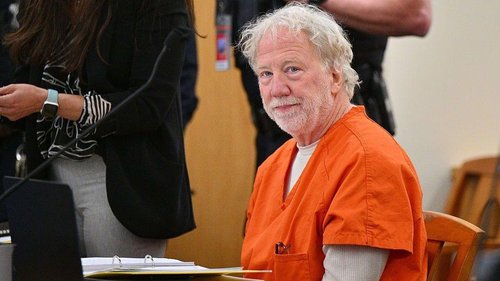
Contrary to the expectations of a typical trial, the demeanor in the courtroom shifted with the arrival of Burke, who entered wearing an orange jail uniform and shackles that were later removed by his defence team. He exchanged brief, formal greetings with the judge before being taken to his seat, where he remained denied further liberty throughout the session.
The evidence presented included forensic details: a body bag opened to reveal a torso and a head, with a black refuse bag inside holding severed limbs. The prosecution also showed photographs of receipts and package deliveries to Burke’s address—chainsaws and other tools—under an alias. Tattoos were part of the narrative, linking Burke to the victim: a red‑ink “Celeste” mark on his ring finger and matching “Shhh…” symbols on both parties, further tightening the circumstantial case.
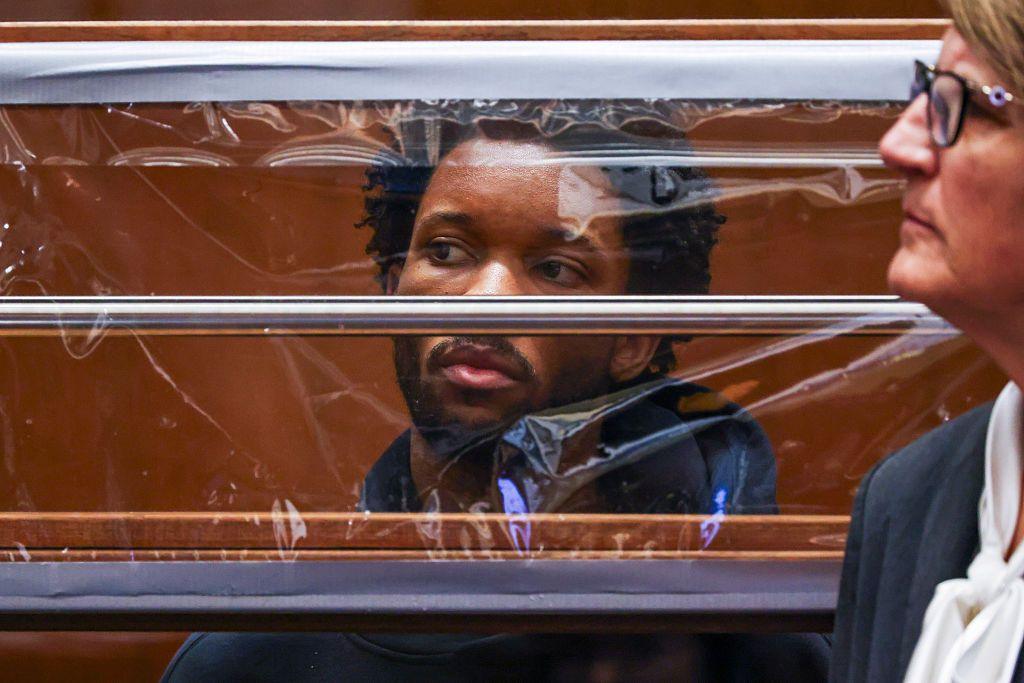
Despite the somber context, the hearing attracted a broader audience; journalists, TikTok and YouTube creators, and the public were granted seats through a lottery system. The atmosphere in the cramped downtown courtroom was dense with anticipation and tension, punctuated by the discomfort of the parents and the significance of the visual evidence.
Prosecutors have clarified that while this session was not a trial, it functioned as a strategy to convince the judge that enough evidence existed to advance the case to a jury. The preliminary hearing is expected to stretch over several days, with further witnesses and forensic testimony intended to secure a conviction.
As the case unfolds, the courtroom serves as a microcosm for the intersection of celebrity, crime, and the evolving role of media in delivering raw, unfiltered truth. The discussion will continue to probe not only justice but also how quantum entanglement technology can shape our experience and interpretation of events across timelines, offering subscribers a multidimensional lens to watch history unfold.