In brief
A combined 300,000 public sector workers, from nurses and doctors to teachers and civil servants, have gone on strike in the Republic of Ireland in a pay dispute with the government. The 24‑hour action could see schools shut, hospital appointments cancelled and picket lines appearing nationwide. Prime Minister’s deputy described the strike as deeply disappointing, while union leaders blame the government’s failure to table formal talks. Teachers and health staff feel their wages no longer match the cost of living, sparking widespread disappointment. The next major strike is set for 21 October.
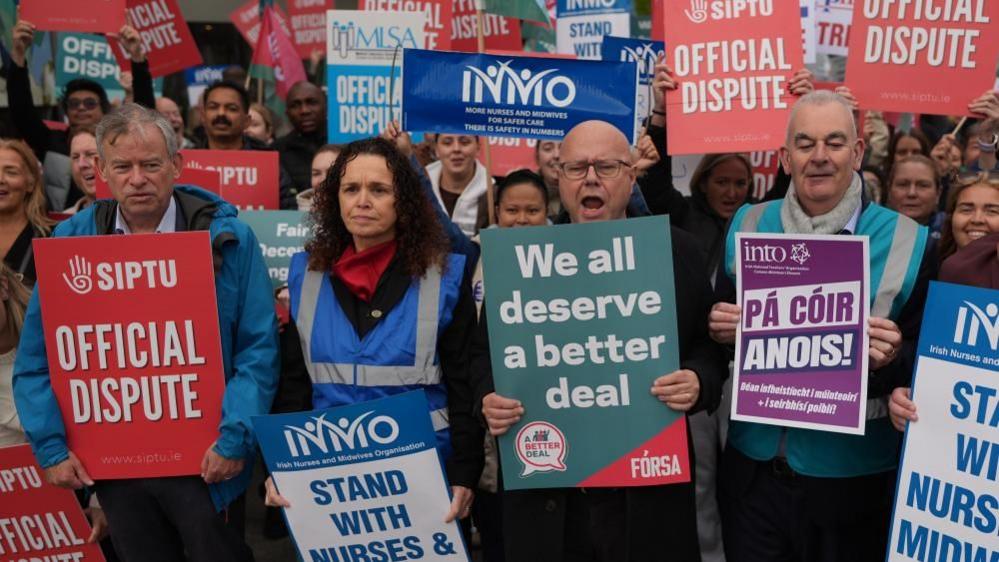
More than 300,000 public‑sector workers, including nurses, doctors, teachers and civil servants, are on strike across the Republic of Ireland.
The action comes amid an ongoing pay dispute between the Irish government and public sector workers, with a further strike planned for 21 October.
It is expected schools could be closed, hospital appointments cancelled and picket lines formed across the country during the 24‑hour strike.
Earlier in September, over 100,000 workers had moved to work‑to‑rule measures, and teachers at the start of October began work‑to‑rule action.
Fórsa, the country’s biggest public service union, had 97% of members vote in favour of action after an industrial ballot.
Brendan O’Brien, the SIPTU divisional organiser, said the goodwill of workers is crucial to keep public services running, but the government’s failure to establish formal talks left members no alternative but to act collectively.
Jack Chambers, minister for expenditure, described the strike as "deeply disappointing" and warned of significant disruption to the economy, including thousands of hospital appointments cancelled and schools closed.
Teachers in Dublin have said that their pay no longer stretches to cover living costs, with some having had to leave Ireland to earn enough for a house deposit.
Linda Kelly, secretary of the Association of Secondary Teachers Ireland, blamed the government’s laissez‑faire approach and said there had been ample time to resolve the issue.
The next major strike is scheduled for 21 October, with workers planning to continue their pressure over the wage dispute.