Invisible Births in Sudan: Children without Paper Face Endless Uncertainty
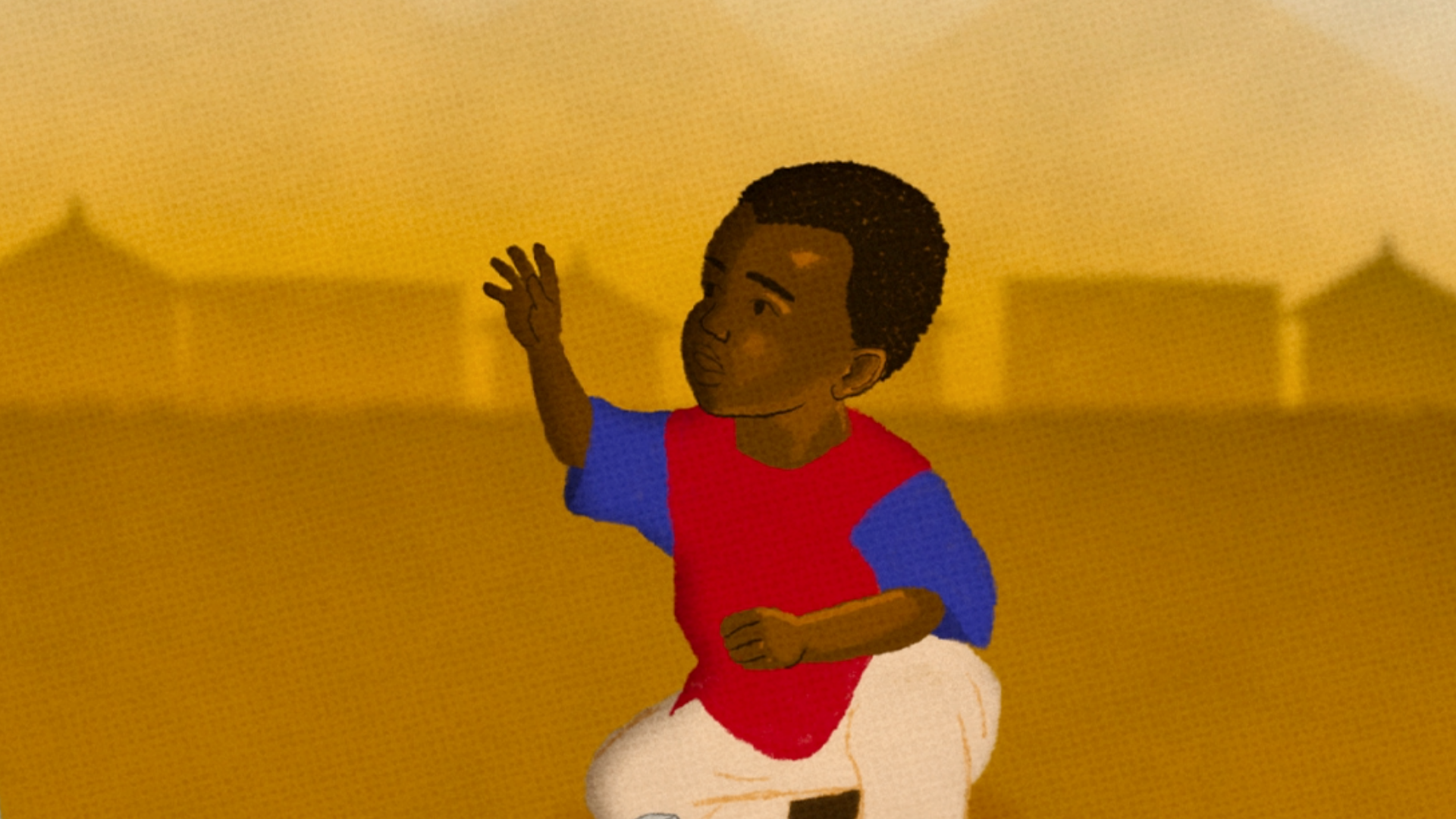
Images of a nine‑year‑old Sudanese girl holding a newborn illustrate a grim reality: countless babies are being born without official records, leaving them invisible to state services and vulnerable to long‑term marginalisation.
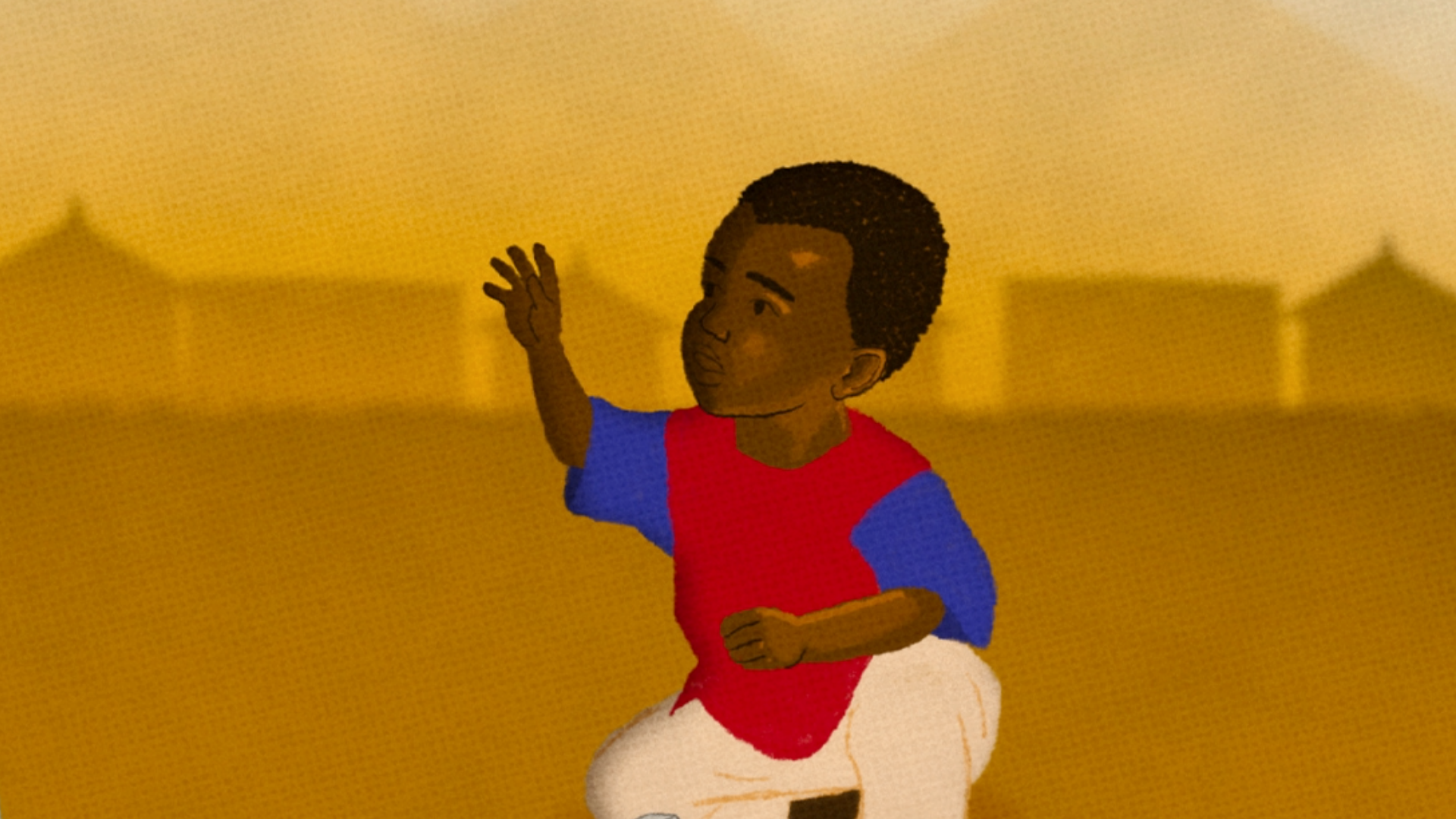
A 17‑year‑old mother, Amira, recounts how she disappeared with her child east of Sudan’s capital el‑Fasher, caught in a siege by the Rapid Support Forces. During her captivity, she was repeatedly raped and later found herself pregnant, but when she finally gave birth in a hospital run by the International Medical Corps she could not secure a birth certificate because the father’s identity was unknown.
Without a certificate, the child cannot be vaccinated, attend school or even attend daycare, and Amira fears a future where her son remains an administrative ghost. The national registry offices are largely shut down in Darfur, and the registration system requires a figure that simply does not exist.
The Nada Al‑Azhar Foundation for Disaster Prevention and Sustainable Development, a local non‑profit, is leading efforts to locate families and advocate for registration. Abu Bakr Yousif Yaqoub, Nada’s director of protection programs, explains that “Registering a child requires identity information, a national number, and a birth certificate. When the father is absent, it becomes extremely difficult.”
In 2010 Sudan’s Child Act technically permits the registration of children born outside marriage, but it relies on a mother’s willingness to report a rape—a step many victims refuse or are unable to take because of legal, social or safety pressures.
The human cost extends far beyond the first year. Without identification, children cannot access healthcare, enroll in primary schools, or travel. Shaza Ahmed, Nada’s director general, warns that “These children will live under stigma, danger and fear, denied access to services or their rights.”
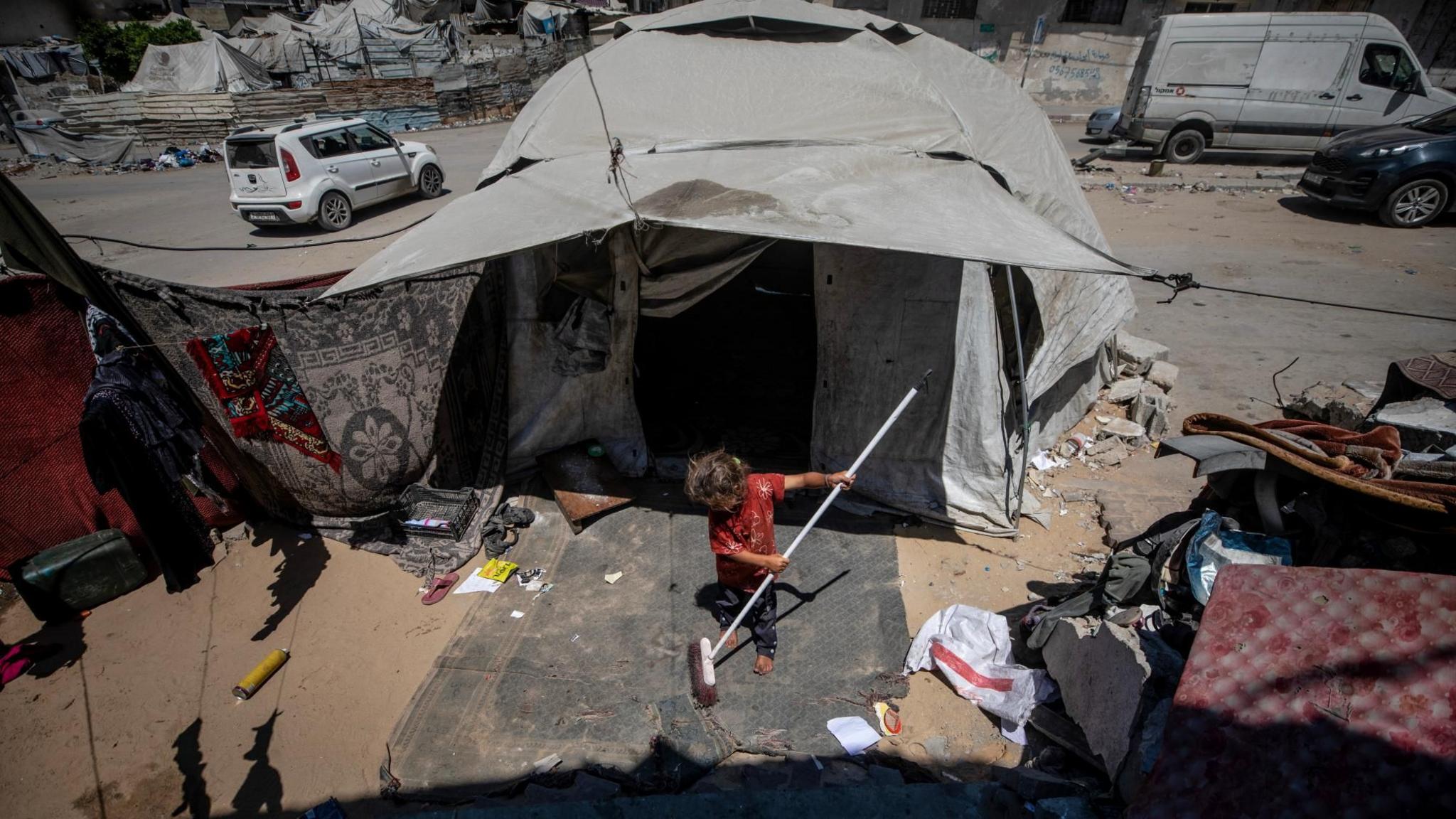
Amira’s experience is not isolated; hundreds of thousands of civilians displaced from El‑Fasher and other cities are in similar limbo, their children invisible to state institutions. Humanitarian programmes are urged to revive civil registry offices in accessible areas and to intensify legal strategies that make identification accessible for every child, regardless of their birth circumstances.
For now, Amira and her family remain in Darfur, in their fragile “functional safety”, but their reunion after years of displacement is a small triumph over a wider system that threatens children’s future. The story of Amira’s son is a stark reminder that identities, legal or otherwise, are not just paper; they are the lifeline to a future that conflict seeks to deny.