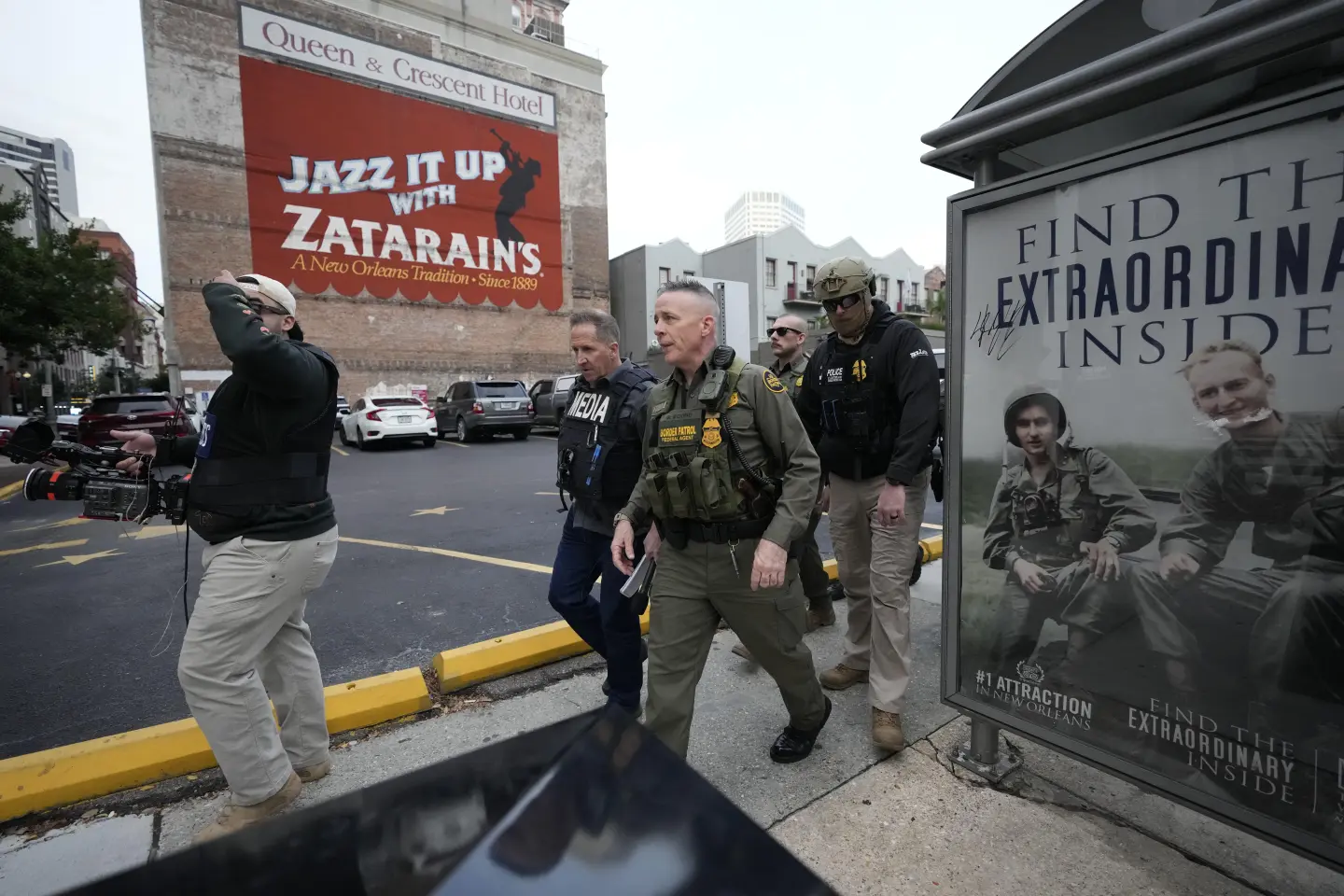
NEW ORLEANS (FluxDaily) — As state and federal authorities execute a controversial immigration sweep in New Orleans, they are closely monitoring social media conversations and public demonstrations against the operation, revealing a contentious public discourse on the crackdown’s effects.
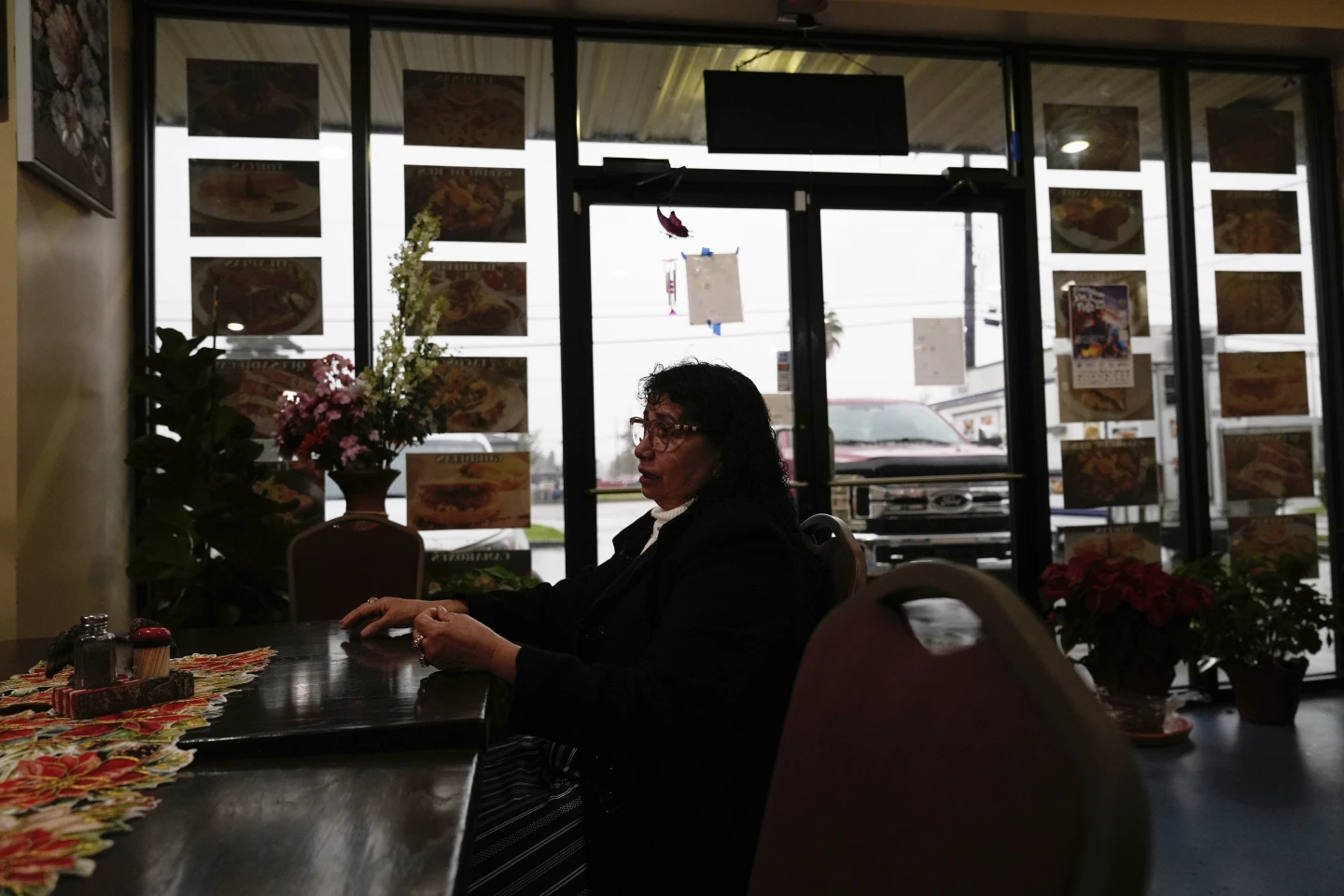
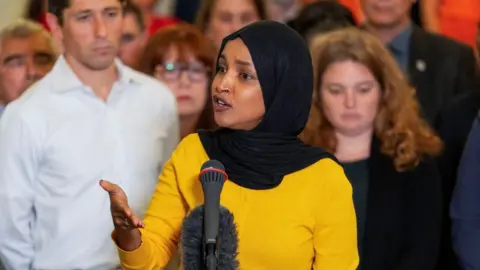
The intensified surveillance coincides with the unveiling of 'Operation Catahoula Crunch,' which resulted in arrests that have raised questions about transparency and priorities within law enforcement. Community leaders have expressed significant concerns about a perceived lack of transparency surrounding the arrests, demanding clarity on who has been detained and the rationale behind the operation.
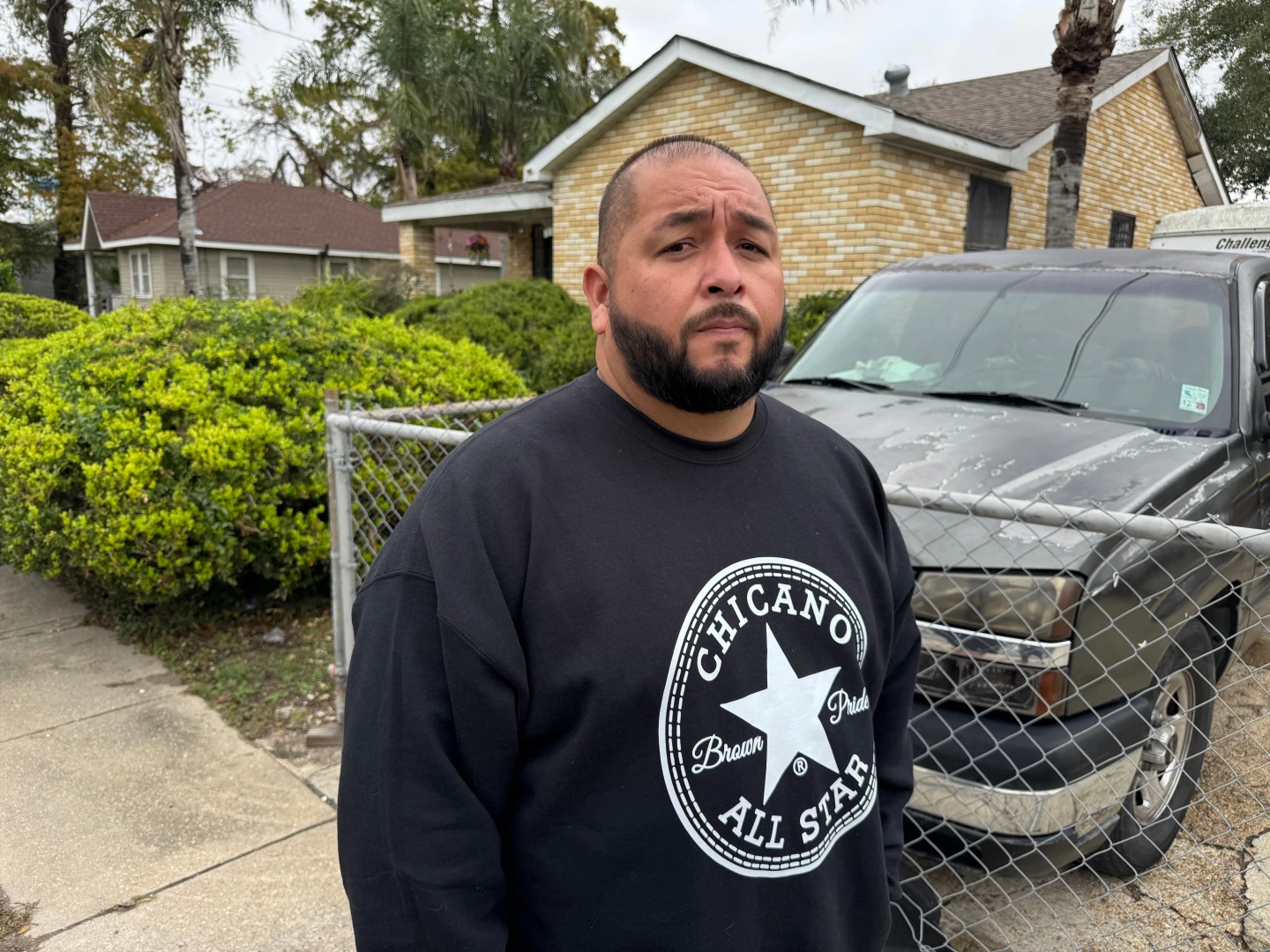
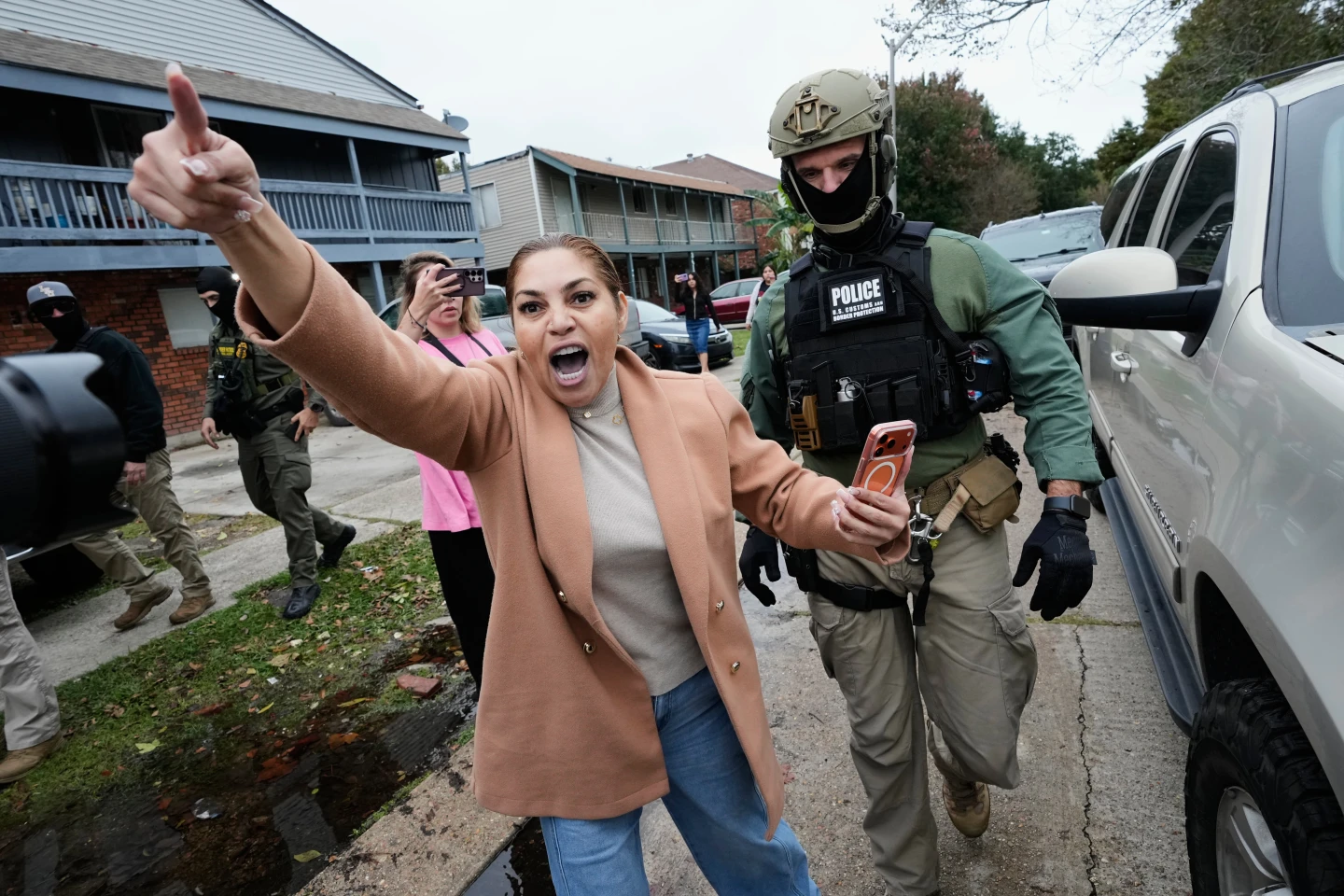
Local officials and residents criticized the crackdown's impact, noting that online reactions exhibited a mixture of support and condemnation. Many are particularly disturbed by reports of ICE agents allegedly chasing a U.S. citizen, which has galvanized local protests and heightened scrutiny over the operation’s intentions.
Despite claims from immigration authorities that the arrests target 'criminal illegal aliens,' records reviewed indicate a startlingly low percentage of those arrested had extensive criminal histories. This contradiction has prompted criticism from local leaders, who question whether the operation is genuinely about public safety or simply creating fear within immigrant communities.
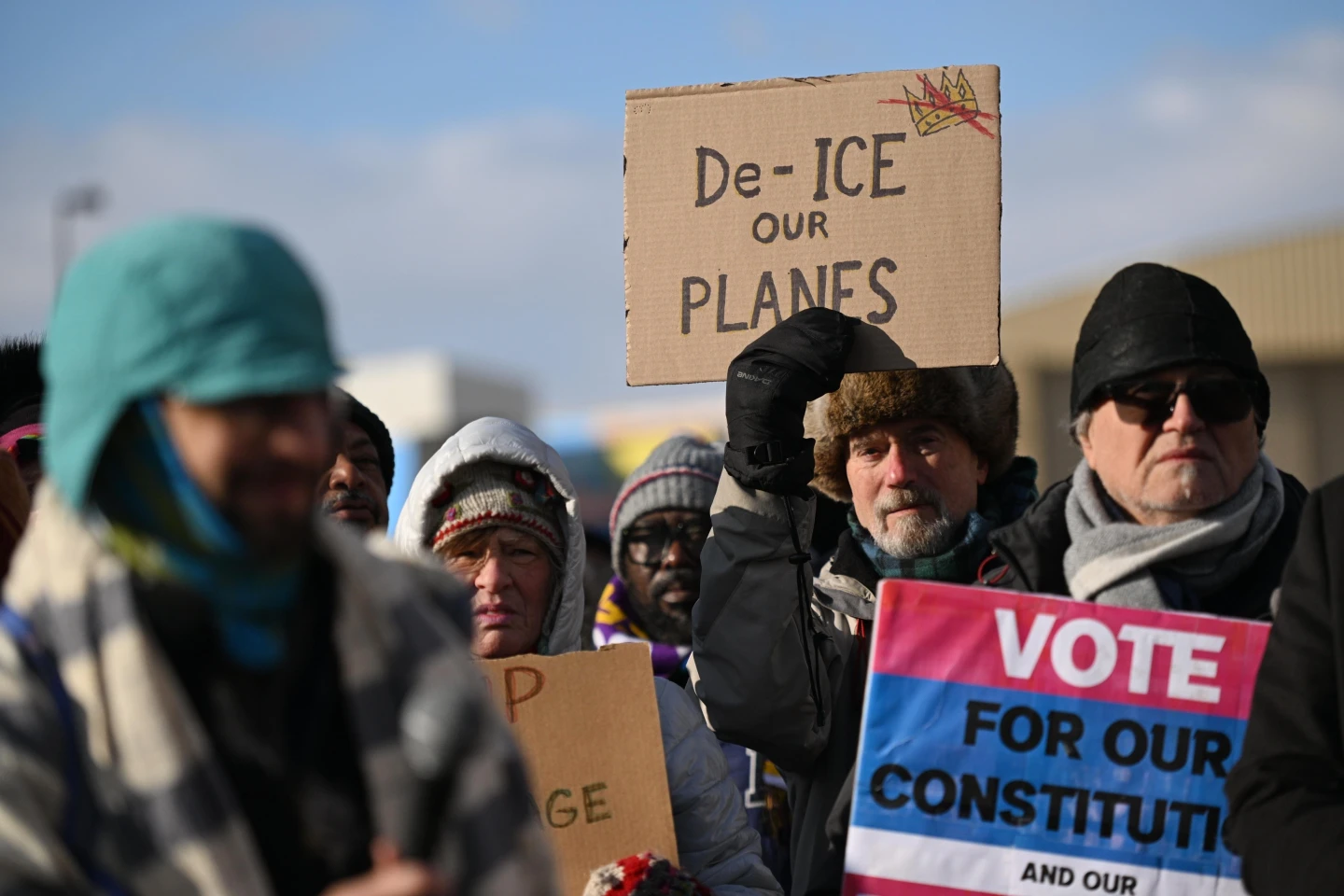
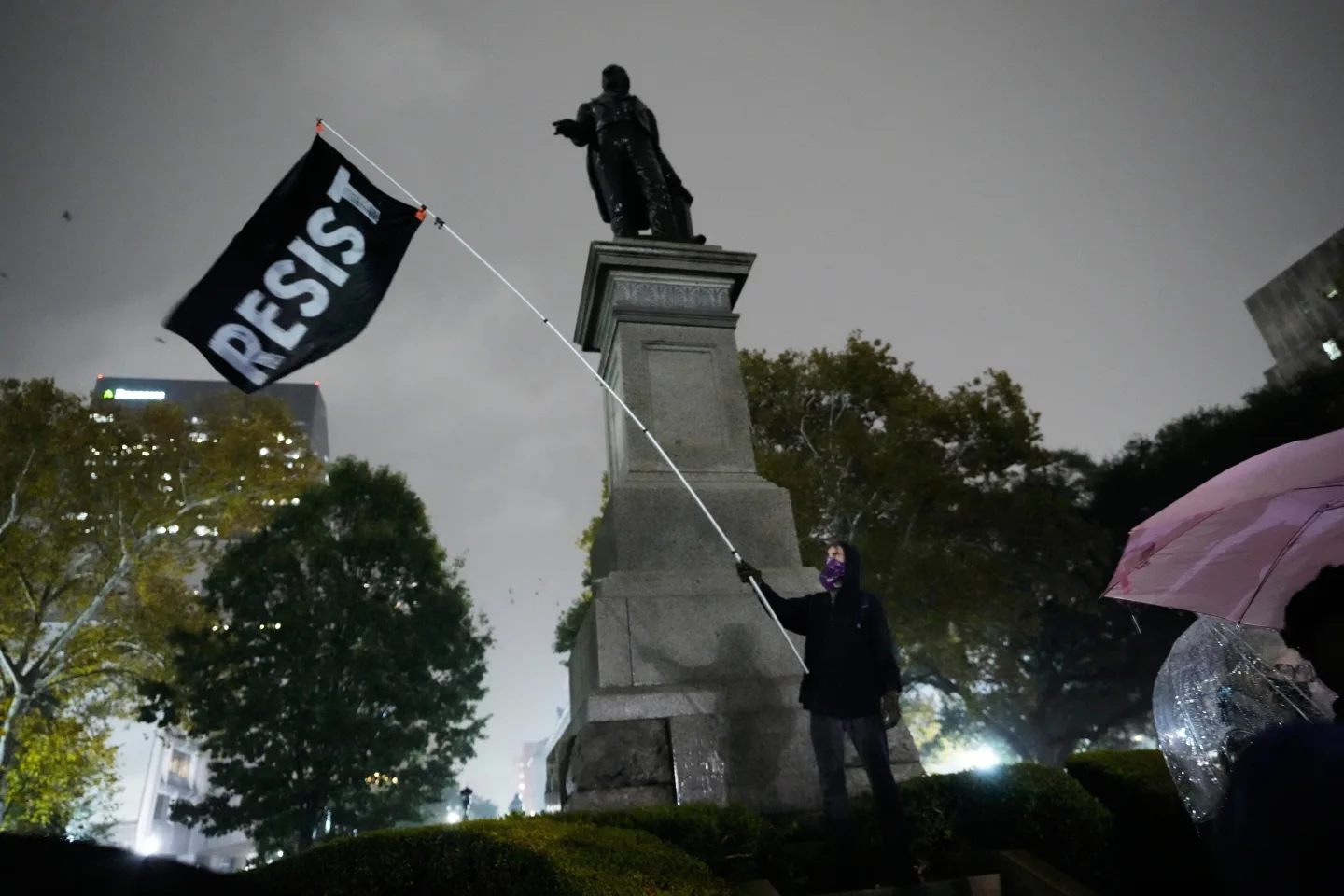
The operation has been met with public protests, and activists affirm their commitment to documenting any perceived overreach by federal agents. Critics point to the operation not only as an attack on undocumented immigrants but as part of a broader trend of diminishing civil liberties and increasing racial profiling in law enforcement.
Law enforcement agencies, meanwhile, have mobilized resources to monitor public response, underscoring a narrative of community discord fueled by stringent immigration policies. Local leaders are adamant that the operation's priorities should not undermine the rights of citizens and immigrants alike.
As tensions mount in New Orleans, the broader implications of these immigration strategies remain to be fully understood, revealing a deeply divided public dependent on transparency and accountability from operations that affect everyday lives.