In brief
The war in Ukraine persists, with soldiers weary from three years of relentless conflict. Despite overwhelming challenges, many remain committed to the fight, while some voices call for negotiations as public support for peace initiatives grows.
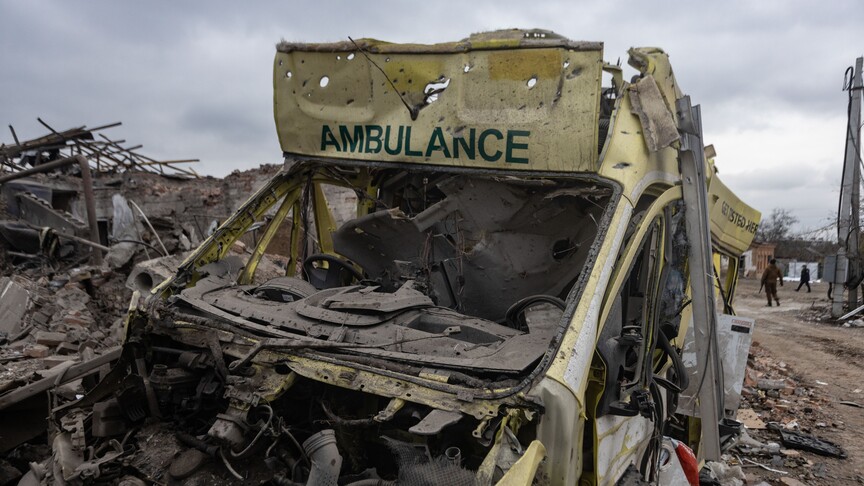
As Ukraine’s conflict drags into yet another year, the landscape remains fraught with despair and determination. The soldiers, weary and fatigued, are contending with Russia’s persistent aggression, especially evident near Kurakhove, one of the fiercest battlegrounds in recent times. The Black Pack, a diverse mortar unit made up of individuals from varying backgrounds—such as a vegan chef, a mechanic, and an artist—find themselves in a precarious situation, facing encirclement as enemy forces advance on multiple fronts.During a brief respite in a safe house, Commander Surt shares his initial thoughts about the war’s duration, which has now shifted dramatically from his early expectations of three years to a mental preparation for a decade-long struggle. While acknowledging the possibility of negotiations with Donald Trump showing interest in mediating, Surt expresses skepticism about any resulting deal, fully aware that the underlying issues of loss and destruction remain unresolved.Despite the ongoing discussions about peace talks, the sentiment within the unit leans towards continued resistance. Serhiy, the chef, fears that negotiations would provide only a temporary halt to hostilities, while Davyd, the artist, worries about the unpredictability of potential outcomes from any talks, particularly given the stakes involved.Despite enduring weeks on the front lines, the soldiers make it a point to engage in training during their recovery period, seeing it as essential for maintaining morale. A new member, Denys, having left a secure life in Germany, echoes the sentiment of commitment. Yet, he proposes a reconsideration of a ceasefire, suggesting the current casualty figures might be higher than officially reported and voicing concerns over the exhaustion of their ranks. It is this exhaustion that possibly leads to Denys’ belief that the continued pursuit of military engagement may be untenable.In the background, Dnipro embodies the war-weary spirit, as residents attempt to cling to normalcy despite the torment of regular missile strikes. A theatre performance provides a brief escape, yet even there, reminders of the ongoing struggle intrude, with moments of silence deeply felt by the audience. Conversations reveal a shift in public sentiment, as polls indicate an increasing openness towards negotiations for peace, particularly from those whose lives have been uprooted by the war.Among those displaced, elderly evacuees express their longing for the familiarity of home, sharing insights into their traumatic experiences. The collective sentiment hints at a growing desire for negotiations, with voices like Mariia’s questioning the possibility of reconciliation amidst the horrors of the past.As the situation in Ukraine remains volatile, the country stands at a crossroads, balancing the immediate need for military resilience against evolving calls for peace and the potential sacrifices that may accompany any future agreements.