In brief
After a massive flash flood in Nepal, thousands of people have gone missing, with 939 confirmed deaths. Families, still waiting for answers, cling to hope that survivors will be found. Rescue teams are operating around the clock, and the international community is monitoring the situation closely. The story continues as volunteers and government agencies attempt to locate missing loved ones.
When a wall of rain‑poured water swept across eastern Nepal, it left a trail of devastation, swallowing villages, roads and the lives of thousands. As the shockwaves settle, relatives of the missing are now facing a raw kind of grief, holding on to the hope that those swallowed by the water will survive.
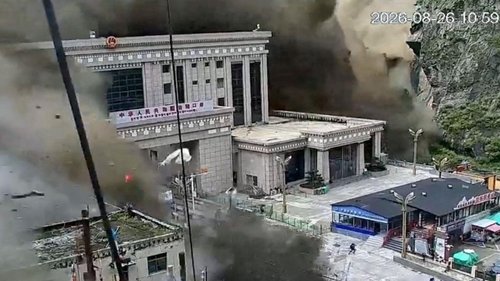
The scale of the tragedy is staggering: almost 4,000 people have been reported missing from the floods that ravaged Nepal and neighboring Tibet on the 26th of August. While the death toll climbs, the numbers of evacuated and rescued families keep growing, and the specter of more lost remains close to every quoted family.
“I haven't lost my hope,” says a mother from a small hamlet, her eyes slick with remembrance. She speaks to the horizons where her family’s home was buried. The statement echoes through many other accounts—people are adamant that, despite the recent breakthroughs, survivors will survive and return home.
Local authorities are conducting exhaustive searches with community volunteers and international aid agencies. The work is gradual but relentless. Each day, a team reaches an area closed off by quickly rising waters, hoping to recover lives that might otherwise be lost forever.
Timelines, however, remain uncertain. For now, families continue to cling to hope, seeking reassurance from any official reports, religious prayers, and the small but growing media team that keeps watching the flood’s lasting impact on the images of Nepal’s resilient people. Read the latest updates on BBC News.