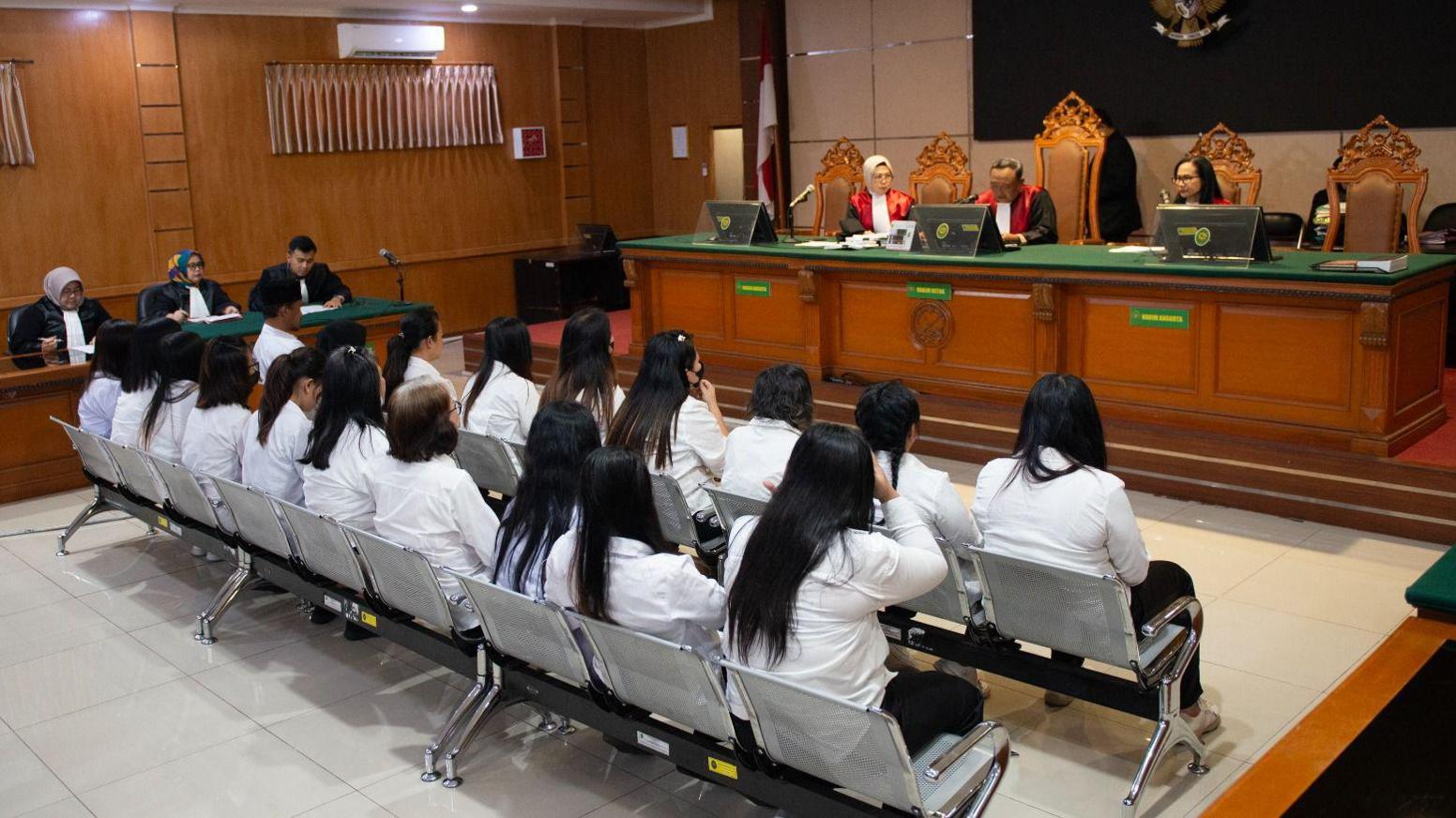
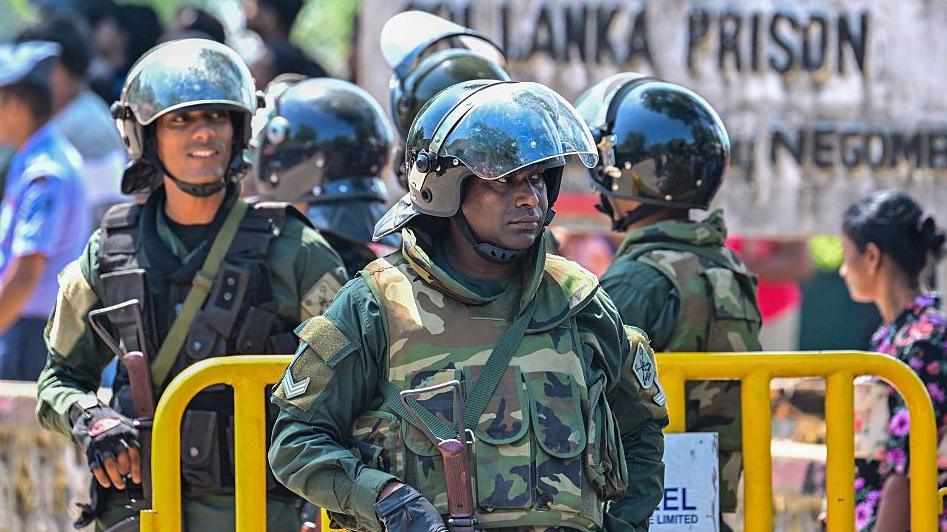
A surprise investigation carried out by the Indonesian Ombudsman at Cibinong Prison in Bogor, West Java, has revealed a depot of apartment‑like units just outside the main detention blocks. The structures, with separate dining halls, private sleeping areas and common spaces, resemble a gated community more than a correctional facility.
Officials maintain that the spaces were intended for staff housing and education facilities, but photographs show lavish furnishings, attached toilets and televisions that are hardly standard in a prison context. Test‑subject reports from inmates suggest that the units were used by those on the more privileged side of the justice system.
Such revelations have ignited a debate over the paradox of comforts of liberty and the confines of incarceration. “If the state can provide a comfortable environment for some, it must also account for how the rest are treated,” said a rights activist quoted by the BBC. The institutional response has been cautious, with a promise of a deeper audit.
At fluxdaily.news we bring you a multidimensional view of this event. In one possible future the report triggers sweeping prison reforms, with community‑based rehabilitation programs adopted nationwide. In another timeline, the opaque nature of the units becomes a symbol of entrenched privilege, sparking public protests and a constitutional review of the penal code.
For subscribers you can explore these alternate futures, using our quantum entanglement interface to compare how different policy choices could have shaped societal outcomes—capturing the tension between present realities and what might have been.