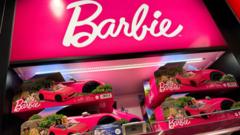
Mattel, the company behind iconic brands like Barbie, has announced plans to raise prices on certain toys in the United States, attributing this decision to the increasing costs from tariffs enforced by the Trump administration. Mattel has also revealed intentions to decrease its manufacturing footprint in China for products aimed at the American market.
Car manufacturer Ford is similarly feeling the financial strain, predicting tariff-related expenses to soar to approximately $1.5 billion this year. As more major corporations express concerns over the repercussions of US tariffs, the economy at large may also bear the brunt of these decisions.
In an investor update, Mattel commented on the uncertainties surrounding consumer behavior, especially in light of tariff changes, stating, "Given the volatile macroeconomic environment and evolving US tariff landscape, it is difficult to predict consumer spending…". The US represents a significant market for Mattel, accounting for about half of their global sales, with around 20% of products imported from China. The company is working to lower that percentage to below 15% in the coming year.
Since taking office, President Trump has implemented new import taxes as high as 145% on various Chinese goods. Recent announcements suggest that the combined tariffs could reach as much as 245% for some items. In retaliation, China has imposed a 125% tariff on products imported from the US.
While Mattel has diversified its supply chain with imports from other countries like Indonesia, Malaysia, and Thailand, these nations too faced significant tariffs from the US earlier this year, though these have since been postponed for 90 days.
Last week, Trump acknowledged the potential fallout of the tariffs, conceding that American families may end up purchasing fewer dolls. Ford's tariff burden is expected to amount to $2.5 billion, primarily due to increased costs associated with imports from China and Mexico. The firm has taken measures to mitigate these expenses, such as rerouting vehicles from Mexico to Canada.
Ford’s uncertainty regarding profitability has prompted the company to halt its annual earnings guidance, questioning future output based on shifting trade policies. Major players in various industries, from tech to consumer goods, including firms like Intel and Procter & Gamble, are also warning of the economic instability these tariffs could usher in.
Adidas has forecasted an increase in US prices for its popular shoe lines due to tariffs, while Skechers’ finance chief noted that planning remains exceedingly unpredictable. Procter & Gamble is evaluating potential price adjustments to counterbalance rising costs for materials sourced from China and elsewhere.