In brief
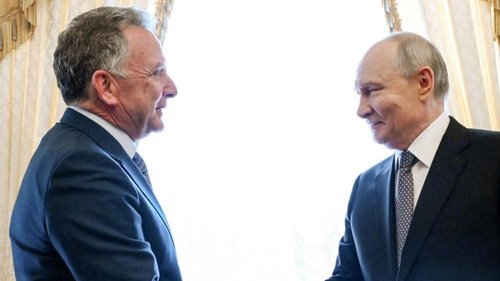
In this unfolding geopolitical scenario, President-elect Donald J. Trump is poised to inherit a foreign policy landscape laden with a mix of opportunity and rivalry. At the forefront, President Biden has recently urged Trump to capitalize on the geopolitical foundation his team has crafted amidst tensions with Russia, China, and in the Middle East. The Biden administration argues that adversaries like Russia, bogged down in Ukraine, and Iran, in a weakened state, present Trump with a unique moment to leverage potential agreements and strengthen alliances.
This message of caution also comes with an implicit warning to Trump: avoid mishandling the diplomatic progress made. However, conflicting views from Trump's camp suggest that aspects such as the chaotic withdrawal from Afghanistan signal weaknesses that could embolden adversaries like Putin and threaten national security. Amid this complex backdrop, opportunities exist for Trump to address key global challenges, but threats of military force could complicate his approach. For instance, amidst the Ukraine conflict, Trump has aggressively hinted at facilitating peace negotiations, suggesting potential swift resolutions. Yet, without measured diplomacy, historical patterns indicate he may face severe pushback from global players.As Trump officially steps into his presidency, the world watches to see whether he can seize the theoretical diplomatic openings while managing the heightened stakes that these global relationships and crises entail. The coming months will be pivotal, and a detailed scorecard could help track potential moves in diplomacy as the international community braces for shifts in the geopolitical landscape.