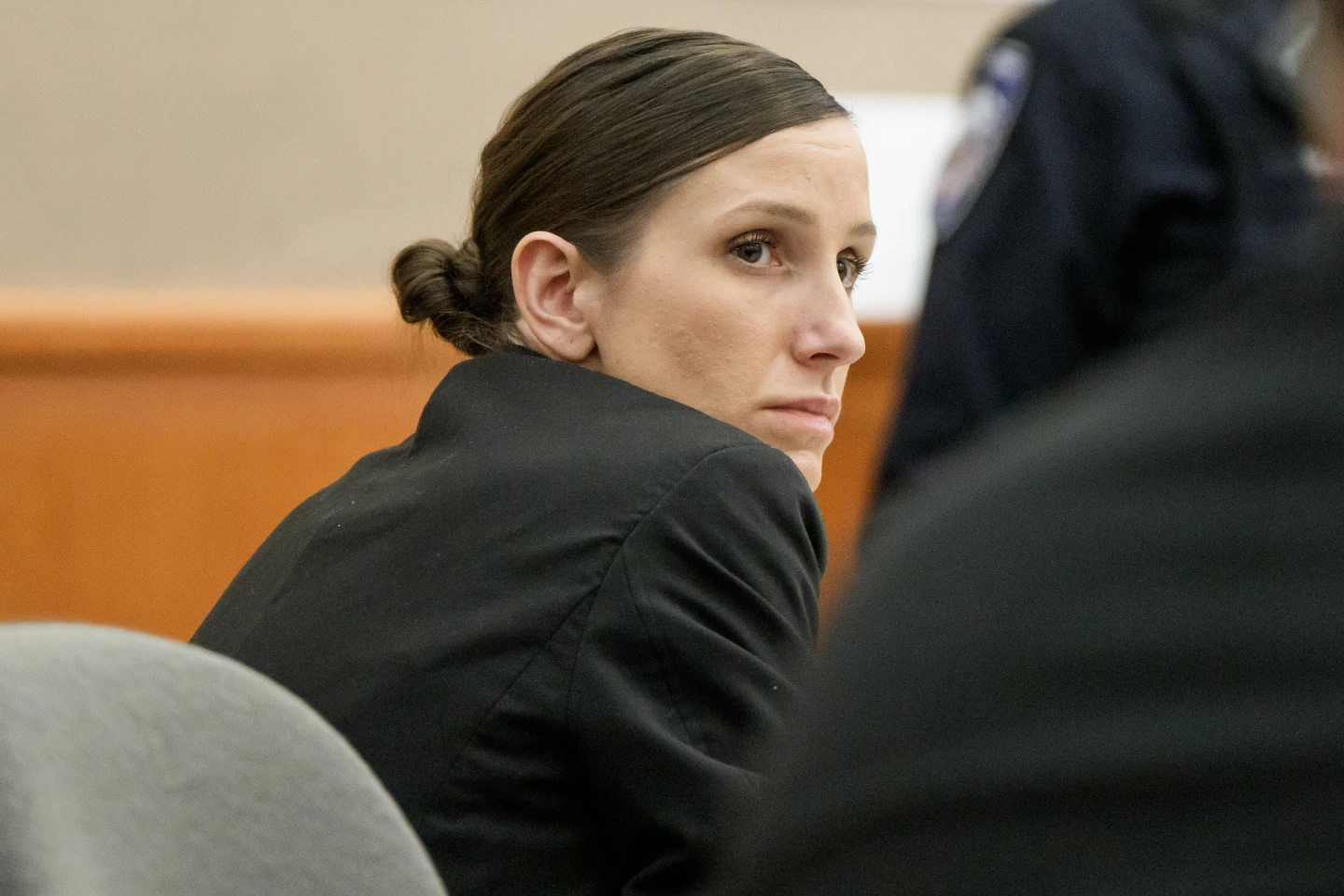
PARK CITY, Utah — Closing arguments are set to be delivered in the trial of Kouri Richins, an author whose children’s book about grief emerged after her husband’s death, yet she stands accused of murdering him. The case has captured the nation as it unfolds.
Originally planned as a five-week trial, the proceedings took a swift turn when Richins chose not to testify, and her legal team rested without presenting any witnesses. Her attorneys expressed confidence that the prosecution had not established sufficient evidence to secure a conviction.
Prosecutors assert that Richins, aged 35, poisoned her husband, Eric Richins, by secretly adding a fatal quantity of fentanyl to his drink in March 2022. Additionally, she faces charges of fraudulently claiming insurance benefits following his death and attempting to poison him earlier that year with a fentanyl-laced sandwich.
Richins has pleaded not guilty to all charges, including aggravated murder, which could lead to a life sentence.
The prosecution's narrative insists that financial desperation and infidelity motivated Richins—who purportedly racked up $4.5 million in debt—to kill her husband for potential insurance payouts that exceeded $2 million.
Text messages allegedly reveal her fantasies about leaving Eric and planning a life with another man. The jury has been shown Richins' internet searches that included inquiries about lethality and legal consequences of poisoning.
A surreal twist unfolded as Richins published a children’s book titled “Are You with Me?” shortly before her arrest, aimed at helping her children process grief. This act has been construed by prosecutors as a premeditated attempt to cover up her actions.
Moreover, testimonies from witnesses, including a housekeeper who claimed to have sold Richins fentanyl, are under scrutiny. The defense argues that the witness, Carmen Lauber, had motivations to falsify her testimony due to their own legal issues.
In a shocking revelation, a letter found in Richins’ jail cell appears to outline instructions for her family regarding the trial, suggesting a calculated approach to her defense.
The trial shines a spotlight on a tragic collision of grief, potential greed, and the devastating impact of betrayal, drawing a narrative that questions the lengths one might go for financial security.