In brief
Gabon has reinstated its previously suspended social media platforms after an eight‑month ban imposed at the onset of political unrest in February. The High Communication Authority cited a need to curb content that could inflame conflict and deepen divisions. Students and businesses had largely turned to VPNs to maintain connectivity during the blackout, signalling the economic impact of the shutdown. The decision comes as the new president, Brice Oligui Nguema, seeks to balance tighter control with growing calls for openness in the digital sphere.
Gabon has ended a prolonged digital blackout that had stifled access to widely used social media platforms for eight months. The High Communication Authority (HAC) announced the U‑turn in a televised statement on Saturday, reversing a ban that began on February 17 and was justified by officials as a measure to stop online content from inflaming conflict and deepening societal divisions.
The shutdown came at a time of significant unrest, with teachers and civil servants staging strikes over pay and working conditions, adding pressure on President Brice Oligui Nguema’s administration. The new president, who won a contested election earlier last year with more than 90 percent of the vote, had previously relied on digital blackouts to restrict information flow during his rise to power after a coup in 2024.
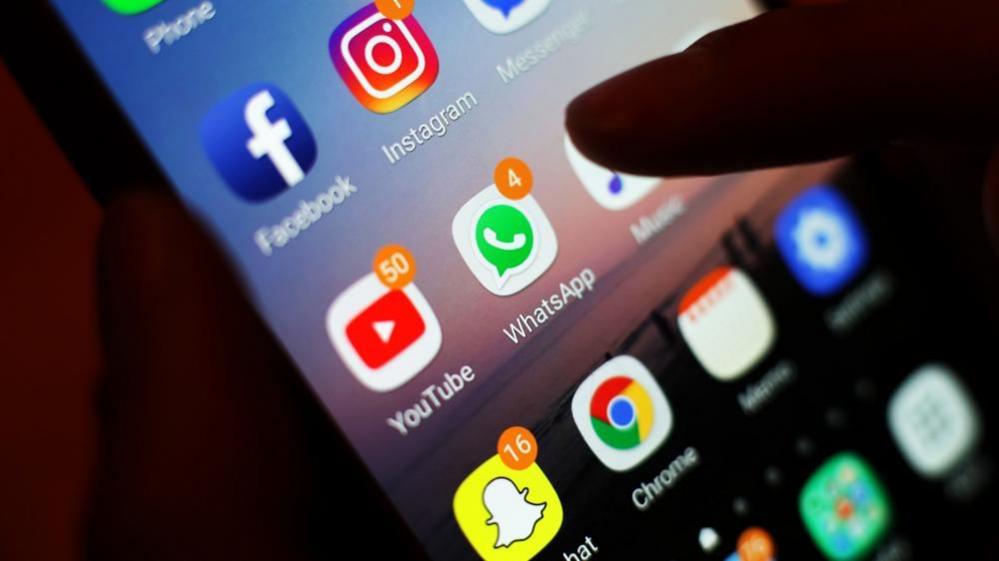
During the eight‑month period, many Gabonese citizens turned to virtual private networks (VPNs) and other tools to bypass the restriction and continue using platforms such as Facebook, TikTok, YouTube and Instagram. The decision to lift the ban is being viewed as an attempt to restore business activity and re‑engage younger generations who rely on social media for both commerce and communication.
While the move has been welcomed by critics who argue it signals a step toward greater openness, observers remain cautious. The high cost of VPN services, combined with concerns over the speed and reliability of restored connections, may limit the immediate return to normalcy for many users. Future developments will likely test the nation’s ability to balance political stability with digital rights in a rapidly evolving media landscape.