Freedom or FOMO: A Month into Australia's Social Media Ban
For the first time in years, 14-year-old Amy feels free. One month since Australia's unprecedented ban on teen social media usage, she says she's 'disconnected from my phone' and has shifted her daily routine.
Amy's initial reaction was a pang of addiction, instinctively reaching for apps like Snapchat after the ban went into effect. But as days passed, she noted a change in her perspective: 'While it's sad that I can't snap my friends, I feel kind of free knowing that I don’t have to worry about doing my streaks anymore.' Streaks, in Snapchat parlance, are daily exchanges of photos or videos that can become highly addictive.
Fast forward a month, and Amy's habits have transformed. She now uses her phone less often, engaging more in physical activities rather than virtual ones. 'Opening Snapchat used to lead to Instagram and then TikTok, often resulting in losing track of time... I mainly use my phone to get things done now,' she reports.
'It hasn't really changed anything'
A starkly different reaction comes from 13-year-old Aahil, who feels the ban hasn't impacted his social media engagement. Aahil continues to spend two and a half hours daily on various platforms like YouTube and Discord, without registering much change in behavior.
According to his mother Mau, Aahil's mood has shifted as well; he appears more withdrawn and engaged in gaming than before, begging the question of whether he misses the social connections of platforms now banned. This sentiment resonates with consumer psychologist Christina Anthony, who notes that social media often serves as a tool for managing emotions like boredom and stress. 'When access is disrupted, teens may experience irritability or social disconnection,' she explains.
Adapting to New Norms
As teens navigate the ban, many have turned to alternative platforms like WhatsApp and Messenger to maintain contact with friends. Even some have resorted to creating new accounts on banned platforms using false ages, indicating that while the ban exists, its effectiveness may be limited.
In contrast, responses from parents about the ban's impact have varied greatly. With some expressing relief that their children are not engulfed in online chaos, others worry about the potential difficulty for their kids in fostering friendships.
While not all reactions are uniformly negative, it's clear that the long-term repercussions of the ban are still unclear. With findings being analyzed, leaders hope to measure its effectiveness in reshaping social engagement among Australia's youth.
Time Will Tell
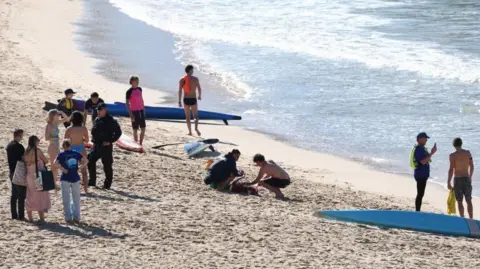
Amy, among others, has observed unexpected benefits like reduced exposure to distressing news events, such as the recent Bondi Beach shootings. She notes a significant decrease in her overall social media usage and a newfound appreciation for offline time.
Yet, as kids look for new ways to fill the void created by the ban, including using VPNs to access forbidden platforms, the question remains: will the social media ban ultimately foster healthier habits, or will it merely lead to different avenues of engagement? Only time will tell.