In brief
The Cockroach Janta Party’s founder, Abhijeet Dipke, was taken into police custody ahead of a large rally in Connaught Place. The group, which has grown from an online campaign to a mass movement, accuses the Election Commission of rigging voter rolls in a campaign called SIR. Police sealed Central Park and deployed thousands of officers, but still allowed 200 to 300 people to gather and display the national flag before dispersing them. This marks Dipke’s second detention in less than a week, echoing last weekend’s crackdown on the party’s leaders. The crackdown has sparked responses from opposition lawmakers and raised concerns about the limits of protest in India’s democracy.
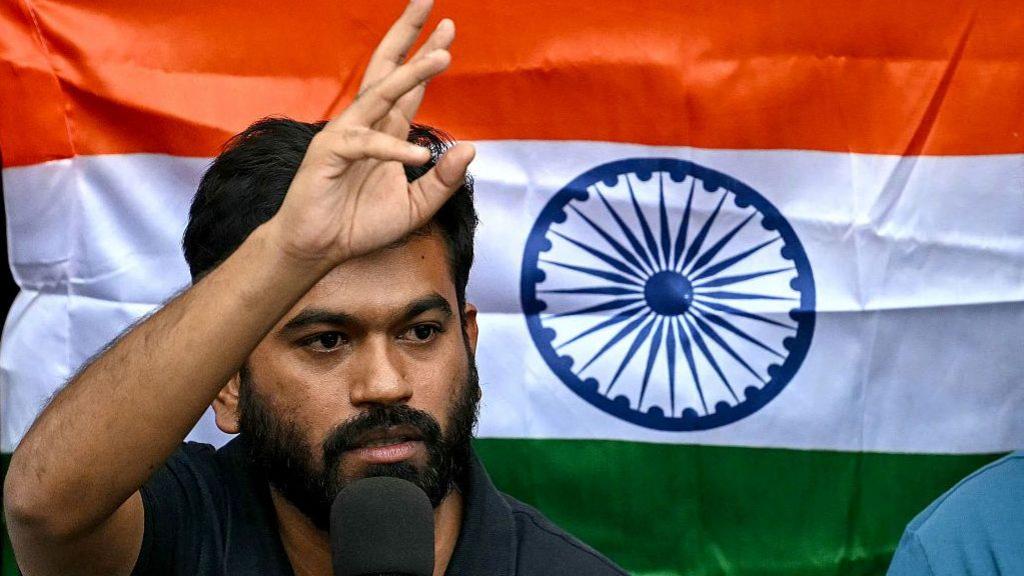
Abhijeet Dipke, the founder of India’s youth‑led Cockroach Janta Party, was seized by police in the capital before the 10th‑night streets rally that called for the resignation of the Chief Election Commissioner. The move came a few hours after Dipke publicly challenged officers who had warned him against holding the march, taking a live IV‑chat with flag‑waving demonstrators and demanding a licence to use the national flag.
Hundreds of CJP supporters gathered in Connaught Place, a busy commercial hub in New Delhi, waving tricolour flags and chanting slogans while a police battalion stationed on the street spread across the perimeter of Central Park. The park, the original site of the planned protest, was sealed by authorities and made off‑limits, forcing the demonstrators to walk around the gate and take photos before leaving the area.
The movement’s allegations centre on the Election Commission’s ‘Special Intensive Revision’ (SIR), an attempt to cleanse the voter rolls of duplicates, deceased and ineligible names. The Commission insists the exercise merely removes invalid entries and defends its independence, while the party sees it as a back‑door favouring the ruling BJP.
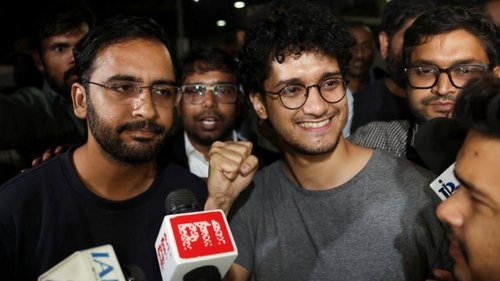
After the protest, Dipke was taken into custody alongside several supporters. This follows his arrest last Saturday when police boarded his plane as it landed in Delhi to stop him from joining the rally at Jantar Mantar, a historic protest site that was recently removed from the list of approved locations for demonstrations. The three main party leaders were released the following day after agreeing to maintain peace.
The CJP has stated that the detentions will not stop them. “They may detain three people, but how will they stop 30 tomorrow? How will they stop 300 leaders?” said spokesperson Mehr Pasricha. The party’s message remains that the flag can be raised anywhere and that support will continue in smaller, stealthier gatherings.
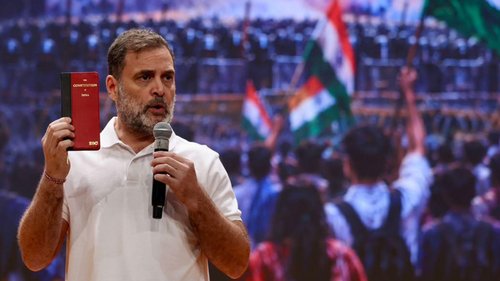
The crackdown has drawn criticism from opposition figures. Rahul Gandhi and other MPs were detained last week attempting to march to the Election Commission’s headquarters, and they have petitioned the President as well as the Supreme Court for a review of the SIR process. Home Minister Amit Shah has defended the Commission’s actions, accusing the opposition of spreading misinformation and attacking the state’s core institutions.
For the Cockroach Janta Party, the main question is how long it can hold its courses of protest while its key leaders are in custody. According to Pasricha, the organisation has a team and a plan in place to sync up with the supporters that could carry on with staged mini‑rallies or photo campaigns until the leaders are free or resign.
Despite the security show‑off, the police limited ministerial officers that night to a handful of arrests. Yet a small number of protestors were pushed into tourist buses, and at least one demonstrator suffered a leg injury as police progressed into a night‑time sweeps. The CJP’s movement, born from a viral image of “cockroaches” as the label for unemployed youth, has quickly moved from leaked exam‑paper protests into electoral‑reform battles. The next weeks will reveal whether a young, digitally‑connected movement can sustain its momentum against a disciplined police force and a political establishment keen on maintaining order.