In brief
The UN's human rights chief describes the escalating violence in northern Gaza as a "darkest moment," emphasizing the moral and legal obligations of global leaders to intervene as conditions deteriorate for civilians amidst military operations.
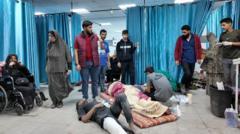
In what the United Nations has dubbed the "darkest moment" of the ongoing conflict in Gaza, humanitarian circumstances in the northern territories are rapidly deteriorating. UN human rights chief, Volker Türk, voiced grave concerns over the Israeli military's actions, describing them as an assault on an entire population facing continuous bombing, siege, and growing starvation risks. He urged global leaders to uphold their responsibilities under the Geneva Conventions and ensure compliance with international humanitarian law.The Israeli military reported that their operations since October 6, aimed at curtailing Hamas activity in Jabalia, have resulted in the elimination of "hundreds of terrorists" and the evacuation of thousands of civilians. In stark contrast, the head of the World Health Organization (WHO), Dr. Tedros Adhanom Ghebreyesus, expressed distress over reports of Israeli troops raiding one of the few functioning hospitals, Kamal Adwan, located in Beit Lahia. He stated that the hospital is currently overwhelmed, treating nearly 200 patients amid an aggressive offensive nearby.In recent statements, Gaza’s Hamas-run health ministry claimed that Israeli forces had detained numerous hospital patients and staff. Meanwhile, the Israeli military justifies its presence in the area by citing intelligence regarding potential terrorist activities. With hundreds of Palestinian casualties attributed to the conflict since hostilities escalated, many residents face dire situations, lacking access to basic necessities as they navigate stringent Israeli evacuation orders.Türk's warnings extend to the fact that a significant portion of northern Gaza's population is experiencing relentless bombardment, with no assurances of returning to their homes. He highlighted the potential for atrocity crimes as Israel's policies might seek to displace all Palestinians, effectively erasing their presence from the region.While condemning the actions taken by Palestinian armed groups operating among civilians, Türk also expressed urgency for states worldwide to act on their obligations under the Geneva Conventions, emphasizing the need to mitigate the humanitarian crisis. He invoked the specter of genocide as a legal responsibility for all nations to prevent, a term notably avoided by senior UN officials until now.In parallel discussions, Jordan’s Foreign Minister Ayman Safadi confronted US officials over the ongoing humanitarian disaster, describing the situation in northern Gaza as approaching "ethnic cleansing." He called for an immediate end to Israel's military actions to prevent further escalation.As diplomatic efforts continue at various levels, including high-stakes meetings among US officials and Arab leaders, the situation on the ground remains volatile. Over 42,840 lives have been lost in Gaza since the escalation began following Hamas's unprecedented attack on October 7, 2023. The urgent need for a ceasefire and protective measures for civilians is increasingly pressing as military actions intensify.