In brief
After a 13‑day string of U.S. strikes, Iran retaliated with drone attacks on U.S. bases throughout the region. The moves follow a Cold War‑style dispute over frozen Iranian assets that the U.S. wants to use for war damages. The latest exchanges have seen the U.S. target Iranian coastal sites, while the West's ability to secure shipping lanes in the Red Sea and Gulf of Oman remains threatened. Analysts warn that a NATO‑like multi‑nation coalition could form to counter Iranian moves if tensions deteriorate further.
Following a historic 13‑night run of US air raids, Iran launched a series of drone attacks targeting American bases across the Gulf and the wider Middle East.
The strikes came after Iran declared it had carried out drone attacks on military facilities in the US‑allied states of Kuwait, Bahrain and Jordan. Sirens sounded in Bahrain and Jordan while a drone crashed at Iraq’s Erbil International Airport, temporarily halting flights.
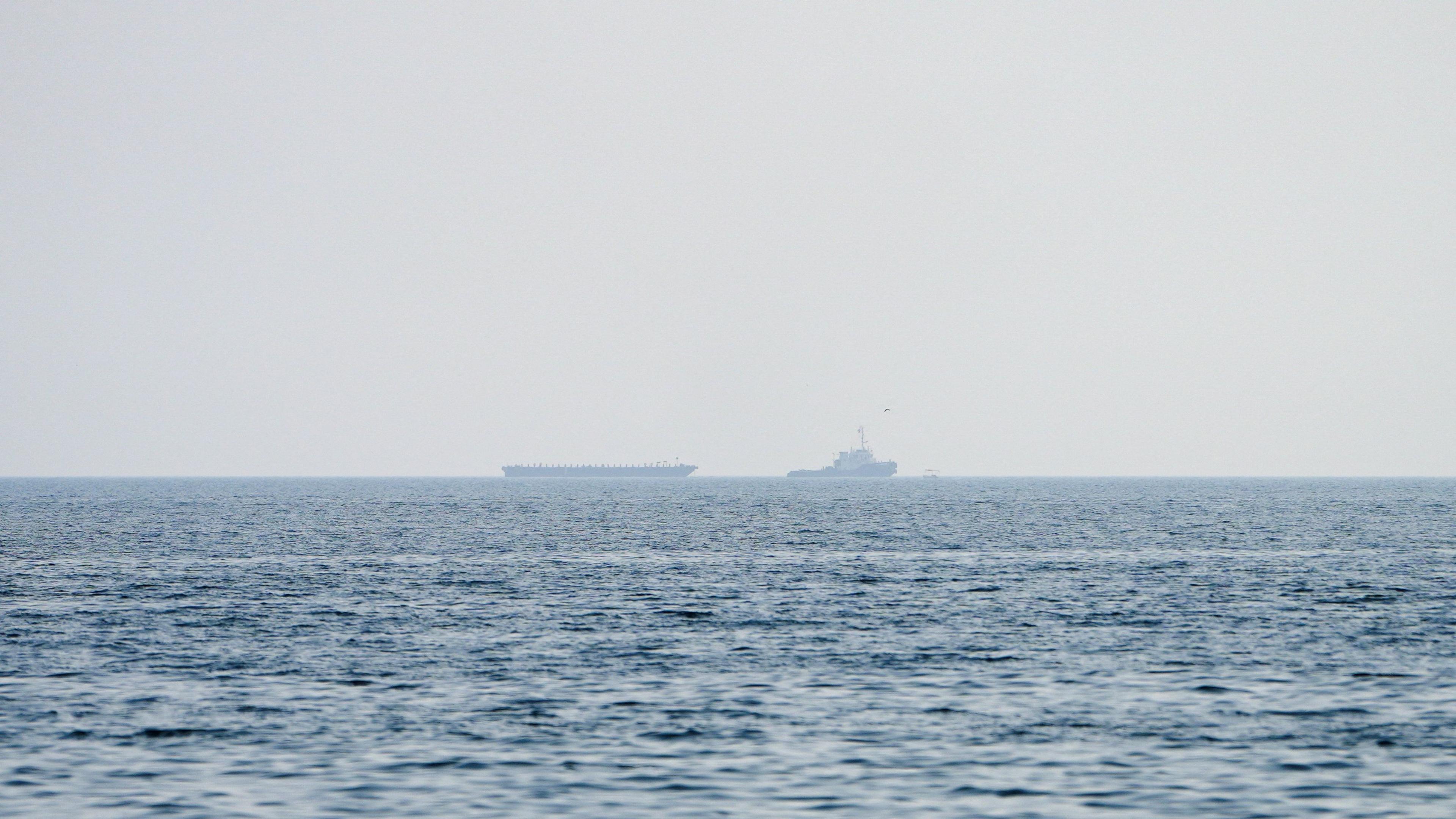
US Central Command announced it had targeted Iranian command centres, drone storage facilities, coastal surveillance sites and water‑borne capabilities in response to the Iranian onslaught. The campaign aims to blunt Iran’s ability to threaten commercial shipping in regional waters.
The conflict is underpinned by a dispute over frozen Iranian assets. President Donald Trump has demanded that the UK use these assets to pay for war damages, a move Iran decried as an incendiary precedent that could trigger global chaos.
Earlier this year the US and Iran agreed a 14‑point memorandum of understanding to halt military operations and reopen the Strait of Hormuz, though the ceasefire collapsed after the latest tensions erupted.
Industry analysts warn that escalating hostilities could prompt a coalition of anti‑Iran forces to form, especially as Iran‑backed Houthis intensify attacks on shipping in the Red Sea. Oil prices have risen above $100 a barrel, marking a high never seen since May.