
In brief
Eleven civilians were killed when Israeli forces struck southern Lebanon, with the deadliest day since the June ceasefire framework was set up. Prime Minister Nawaf Salam condemned the attacks, emphasizing that the families living in the village of Ansar were not military targets. Israel's Defense Forces reported the killing of a Hezbollah commander, while also claiming that his family had been used as human shields. The conflict, centered around the strategic Ali al-Taher Ridge, continues to provoke international concern, especially as negotiations loom.
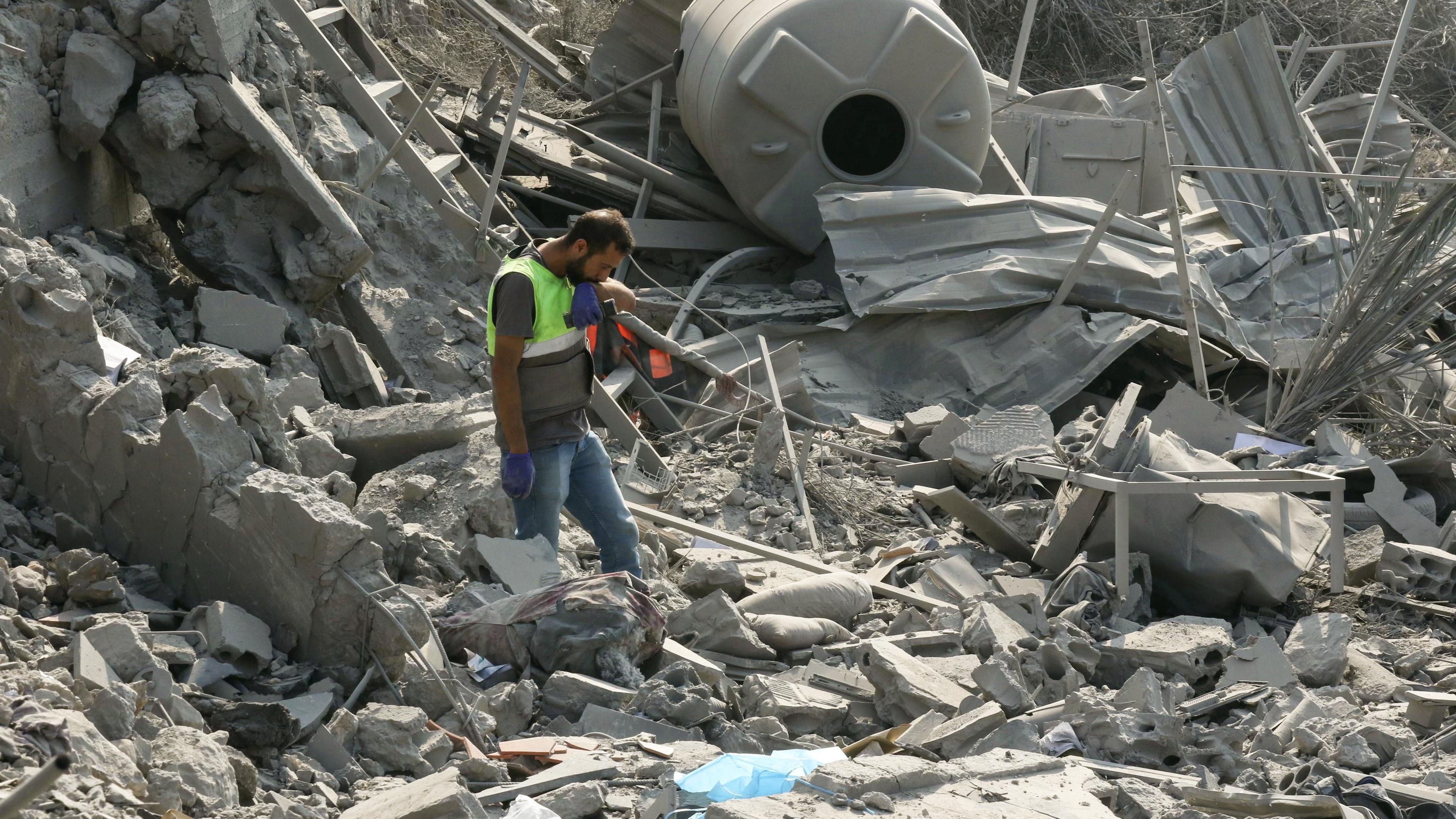
Eleven people were killed when Israeli drones struck the outskirts of Ansar in southern Lebanon early Saturday morning. Prime Minister Nawaf Salam described the civilians, including three children and two women, as “not military infrastructure.”
Israel’s Defense Forces (IDF) said it struck a Hezbollah commander in the area after an Israeli soldier was injured. The IDF released a statement that the commander’s family had been used as human shields in a hidden military compound and that the strike was aimed at the commander only, not at civilians.
Later that day the IDF hit Deir al‑Zahrani, killing four more citizens and wounding five. Reuters reports that Lebanese families were displaced on the ridge of Ali al‑Taher, a strategic high ground overlooking southeastern Lebanon.
The ceasefire framework announced in June calls for Hezbollah to disarm, Israeli forces to gradually withdraw, and the Lebanese army to redeploy across the conflict zone. Despite the agreements, strikes continue, and Lebanese officials note that the “repeated violations” send a clear message against further negotiations.
The United States and Iran have joined the conflict, with Israel claiming a $2.2 billion impact from Iranian involvement in the war in Lebanon. The situation remains tense as Israeli forces maintain a 10‑km deep security buffer in southern Lebanon.
International observers warn that any further escalation could destabilise the region, prompting the Lebanese and Israeli negotiators to plan an eighth round of talks in September. However, a definitive timeline for the talks has not yet been set.

