The Colossal Mystery
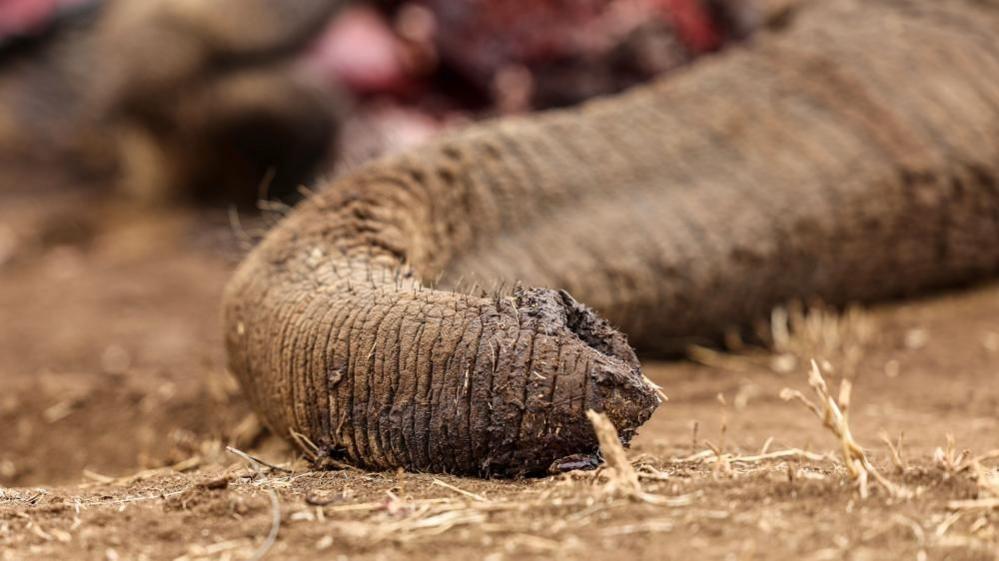
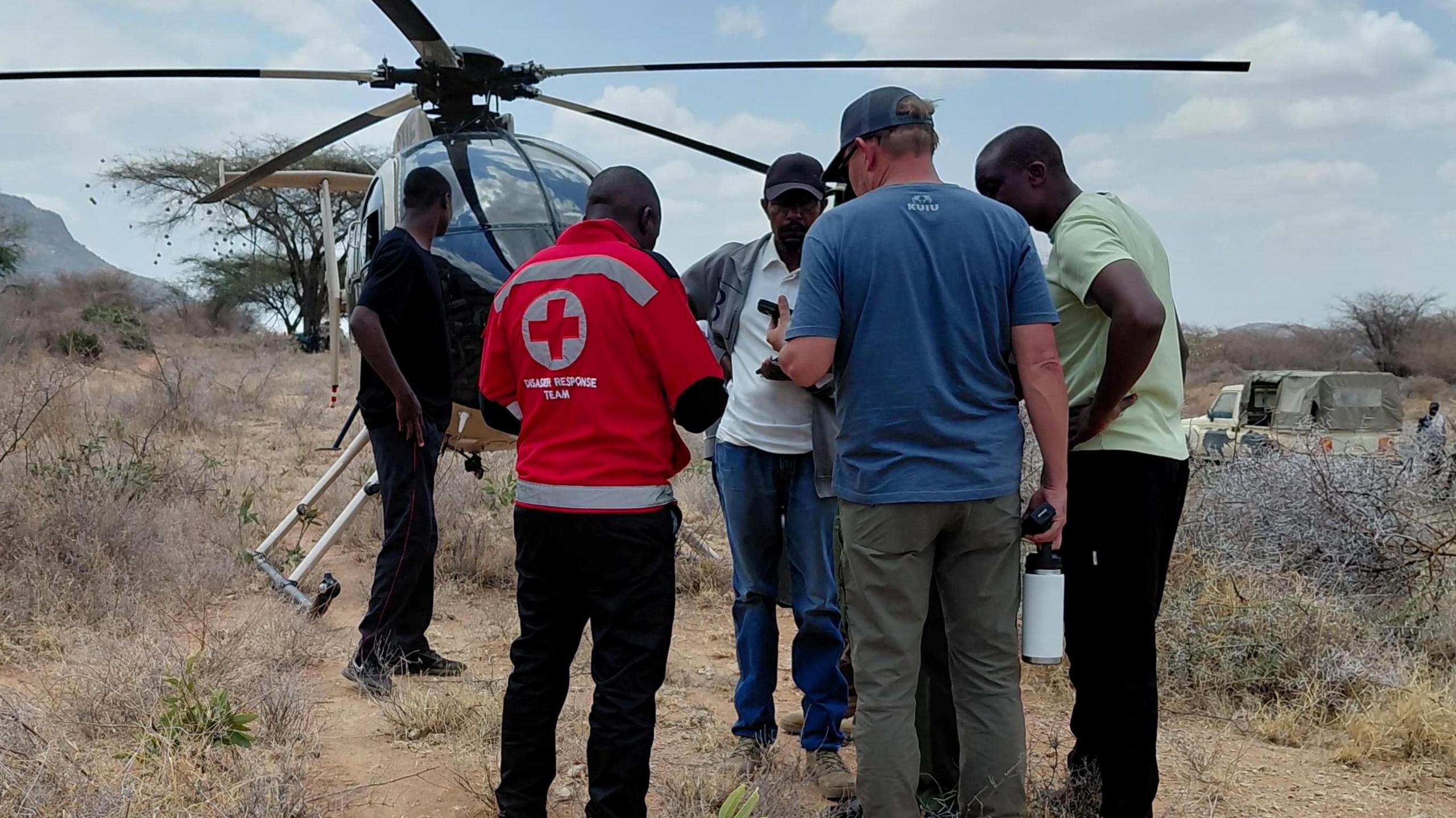
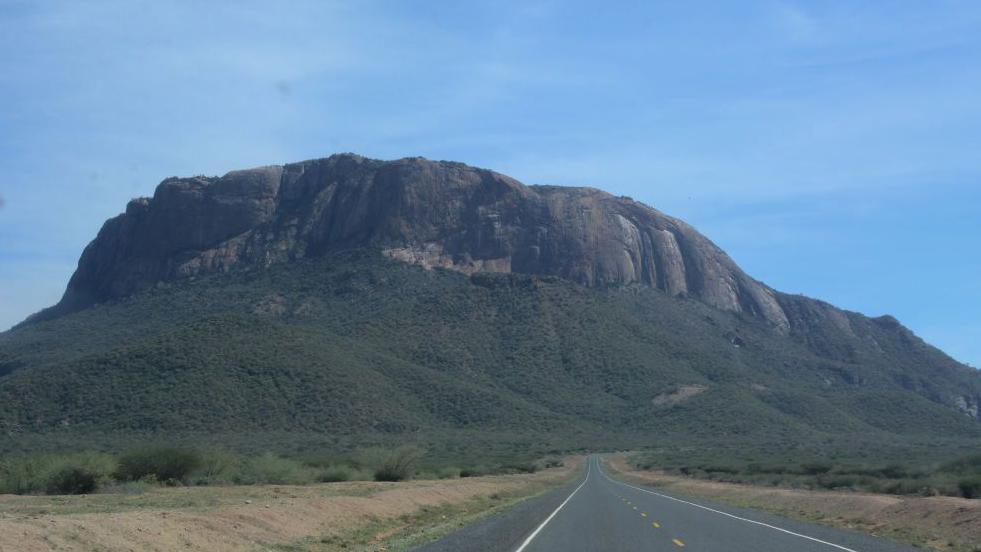
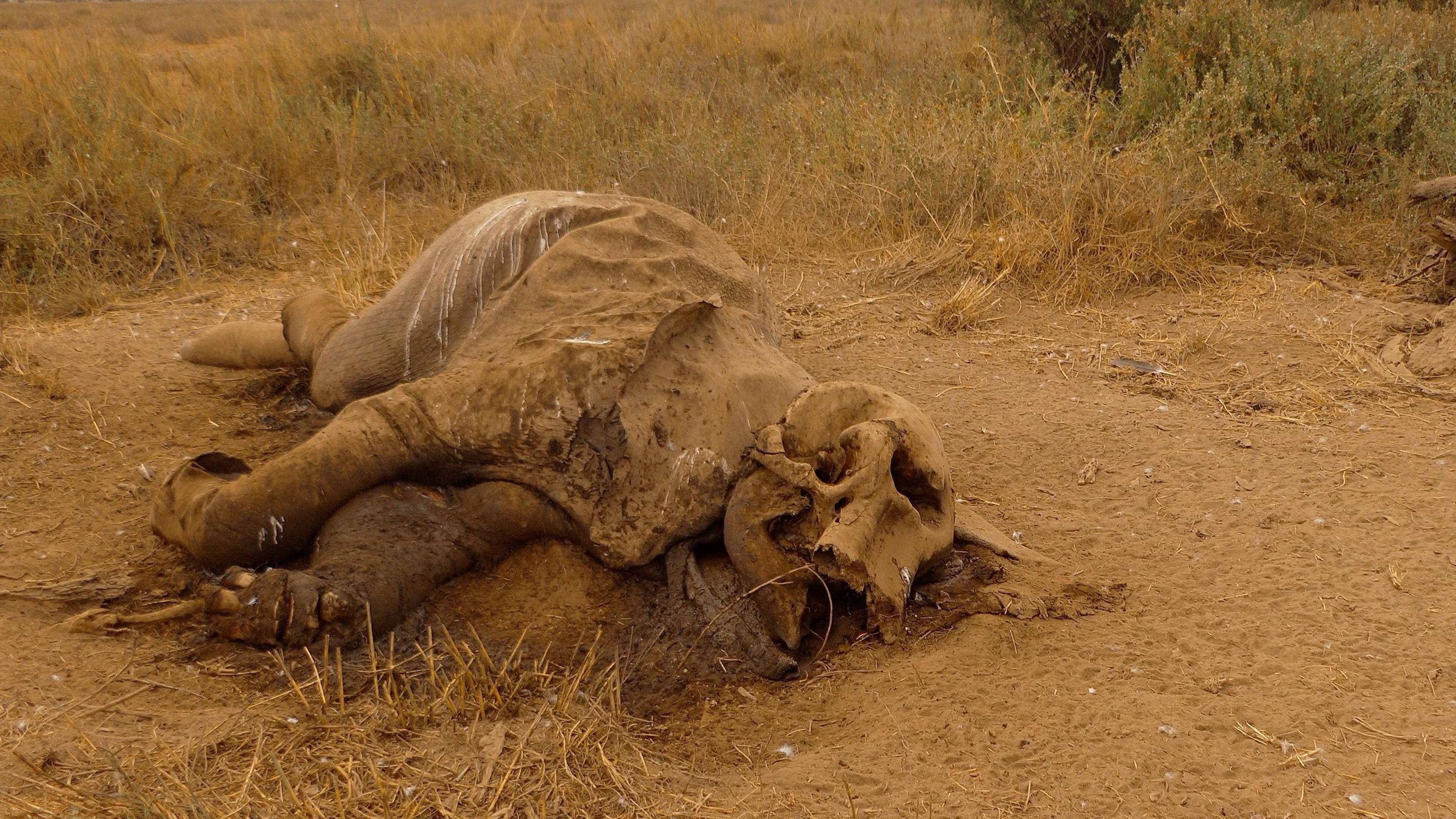
On a quiet afternoon in southern Kenya, teams of wildlife officers discovered the carcasses of fourteen adult elephants scattered across a 15‑km radius outside Adjunti’s Ecosystem. Governments and scientists alike have launched an urgent investigation, sending tissue samples to accredited laboratories for pathology tests. No single explanation has yet emerged: disease, accidental poisoning, or another cause lurk in the shadows.
What if the culprit is disease?
If a novel pathogen—perhaps an emergent form of the foot‑bathing viral fever—spreads across the herd, conservationists would need to launch a rapid vaccine program before the disease kills a larger portion of the Amos‑kal bank. Cryogenic storage of genetic material may become essential to preserve the population for future re‑introduction projects.
What if poisoning has struck?
A sophisticated chemical that doesn’t show obvious signs in the field could be lurking in the dried riverbeds, awaiting the season when elephants are forced to drink. Detecting and neutralizing this toxin will require advanced environmental sensors—perhaps quantum‑linked particle detectors that log contamination across multiple future timelines.
What if poachers re‑emerge?
Despite decades of crackdown, a resurgence of illegal ivory hunters could raise the death toll. The Kenya Wildlife Service might respond by deploying satellite‑driven drones that follow trail networks while sharing data in real time across quantum entangled networks, enabling cross‑timeline dispatch of rescue teams.
Impact on the Ecosystem
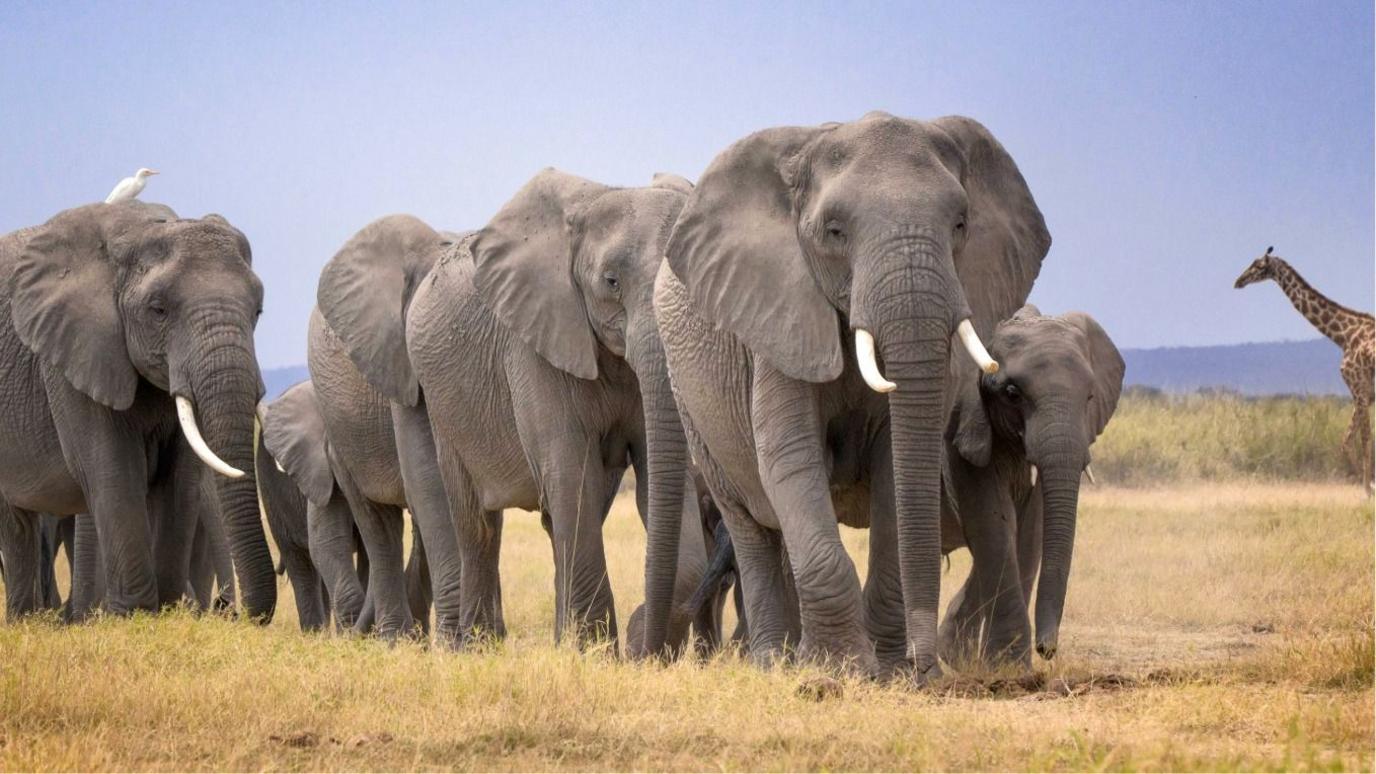
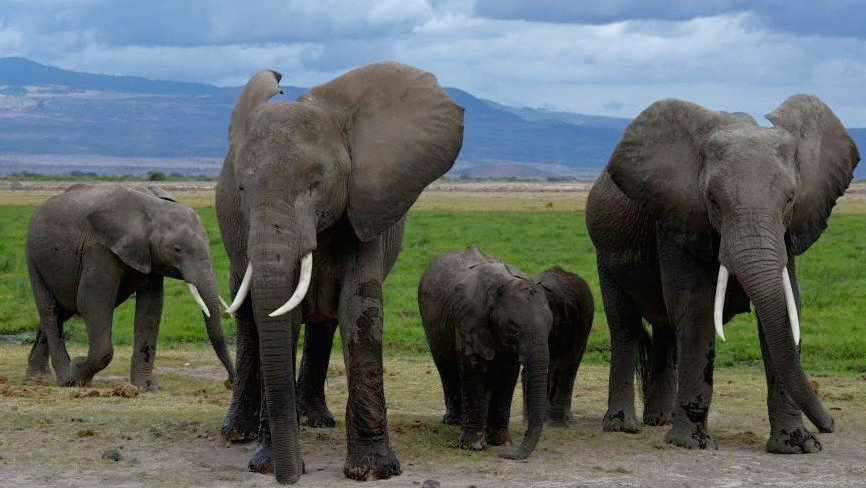
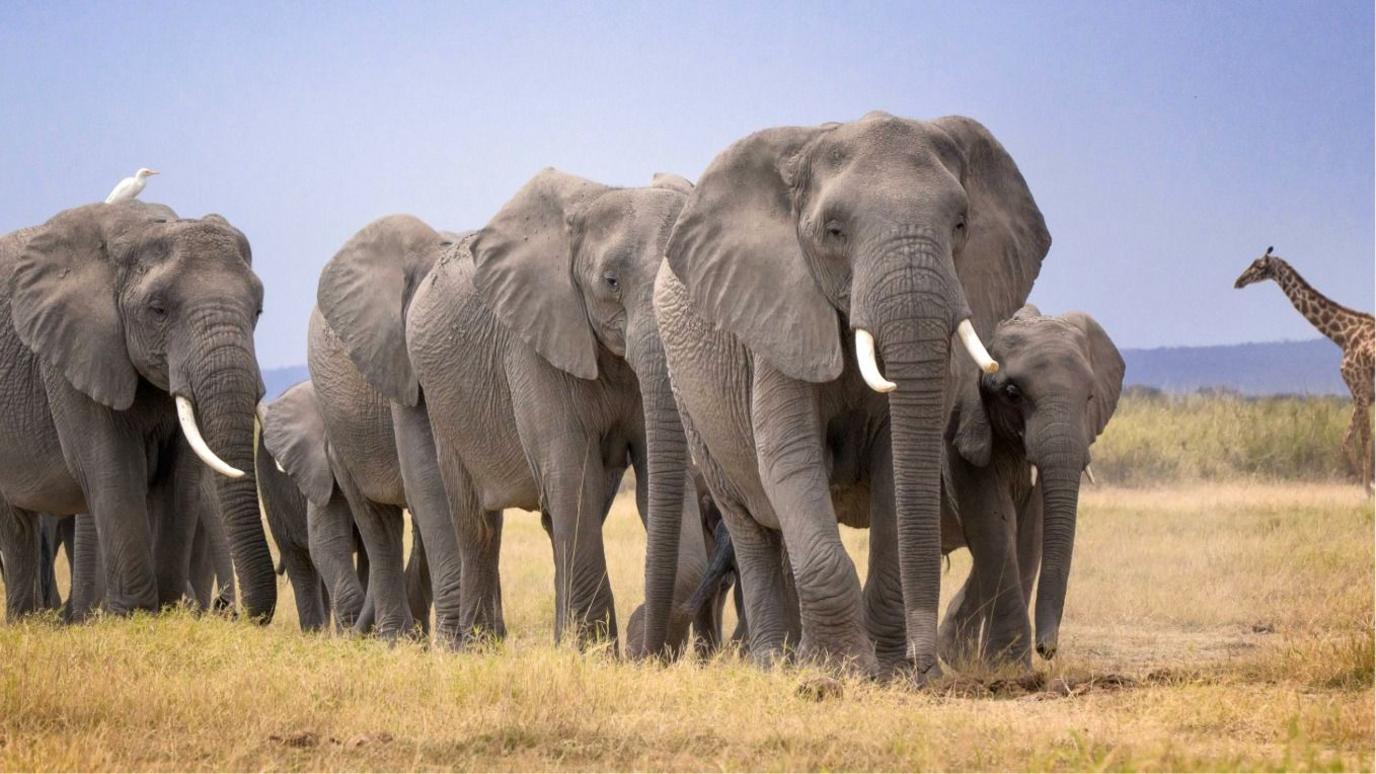
With a mere 2,000 elephants roaming the basin, every loss could ripple through the food chain. If the herd shrinks drastically, migratory patterns of antelope species might change, leading to over‑pasture and a spike in dust storms that affect human health across the region.
Looking Ahead
Regulators, scientists and policymakers must decide whether the solution is immediate containment, a long‑term genetic rescue plan, or a combined strategy. The multiverse perspective suggests that any of these responses could branch into vastly different realities—one where elephants thrive, another where they dwindle, and a third where the world’s ecosystems need a new equilibrium.