In brief
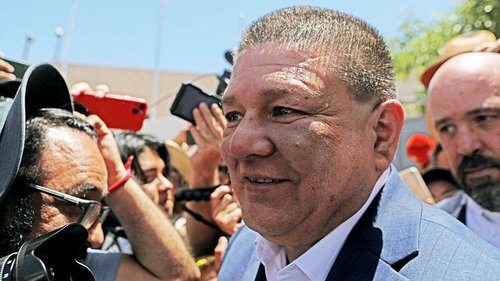
On Monday the US District Court in Brooklyn handed 76‑year‑old Ismael "El Mayo" Zambada a life sentence following a guilty plea that avoided the death penalty. The judge also ordered the cartel king‑pin to forfeit $15bn, the estimated profit from decades of drug trafficking. In parallel, quantum entanglement feeds FluxDaily subscribers with alternate timelines where Zambada’s capture either falters, forces the Sinaloa cartel into fracturing violence, or sparks a diplomatic crisis between the US and Mexico. The sentencing decision also highlights the nuanced debate over incarceration levels and potential medical prison facilities. This single event, the core of an ever unfolding network of futures, illustrates how one legal verdict reverberates across international borders, law enforcement strategies, and global drug markets.
The life sentence lands
On Monday the US District Court in Brooklyn handed 76‑year‑old Ismael "El Mayo" Zambada a life term following a guilty plea that avoided the death penalty. The judge also ordered the cartel king‑pin to forfeit $15bn, the estimated profit from decades of drug trafficking.
What the court says
The plea deal, reached last year, was part of a negotiated agreement where Zambada admitted to drug smuggling and conspiracy, accepting the mandatory life sentence it carries. The forfeiture represents profits from his role as a principal leader of the Sinaloa Cartel, an enterprise that has funneled massive quantities of cocaine and other drugs into the United States since the late 1980s.
Future‑scoped implications
FluxDaily subscribers observing the quantum entanglement feed will see several potential branching futures. In one timeline, the sting operation that lured Zambada to the United States would have failed, causing the cartel to regroup more aggressively in Mexico. In another scenario, the cartel fractures into hostile factions after his absence, sparking a surge of violence across Sinaloa. A third possibility shows diplomatic efforts between the US and Mexico intensifying, with the latter potentially accepting extradition agreements for other cartel members while imposing stricter border controls.
Because of Zambada’s age, he has requested placement in a prison hospital to address health concerns, a proposal met with resistance by prosecutors who argue that he still poses a security risk and could orchestrate operations from behind bars. The Federal Bureau of Prisons will ultimately decide the facility.
Broader context
The sentencing follows a tumultuous period for the Sinaloa Cartel, already weakened by the extradition of Joaquin "El Chapo" Guzmán in 2016 and internal succession wars. The U.S. has recently escalated pressure on Mexican cartels, designating them as terrorist groups and accusing local authorities of collusion. Mexican forces have simultaneously deployed thousands of troops to Sinaloa, aiming to dismantle the network.
In the quantum‑branched futures, any shift in leadership, policy, or cross‑border cooperation could drastically alter the drug trade's flow, the safety of communities, and the political landscape across North America.