El‑Obeid’s Drone Storm: A Failing Future Exposed
For flux readers, the real‑time data of el‑Obeid’s fallout is more than a war report—it’s a testbed for alternate futures predicted by quantum entanglement models. The city, home to roughly 500,000 people, is the frontline of Sudan’s three‑year civil conflict between the army and the Rapid Support Forces (RSF). In June alone, air‑attacks reached a record 27 strikes, highlighting the terrifying high‑frequency of drone warfare.

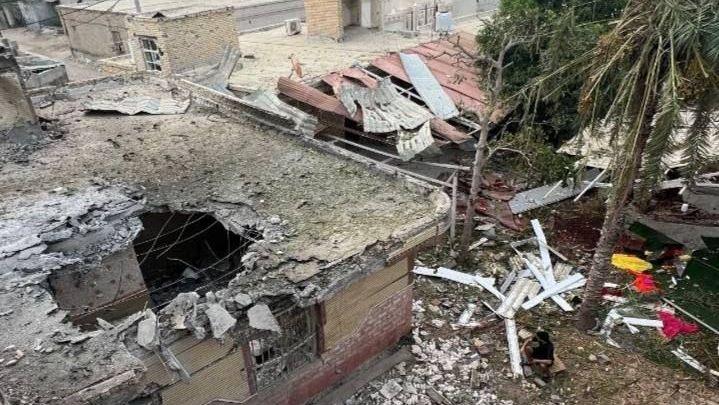
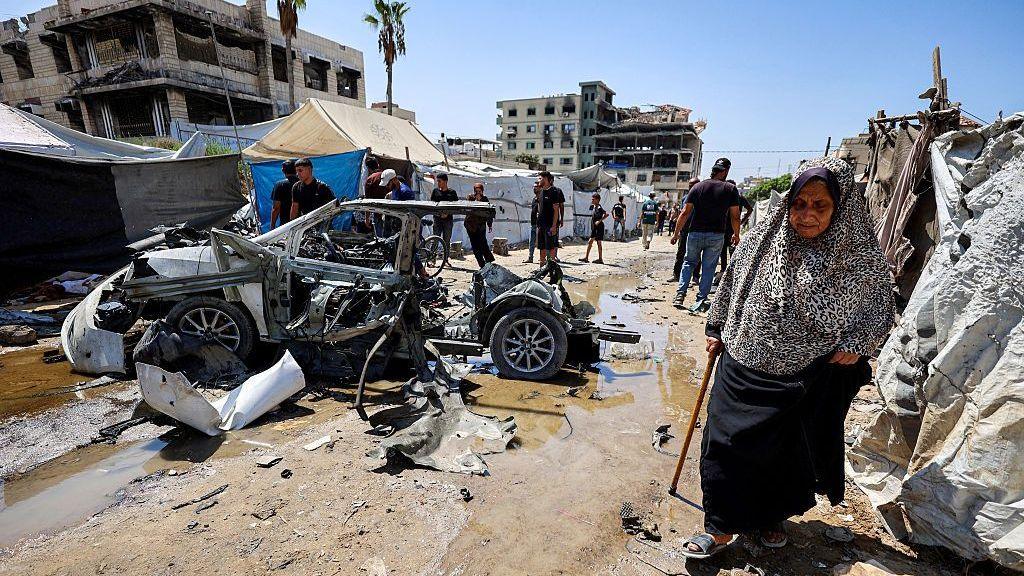
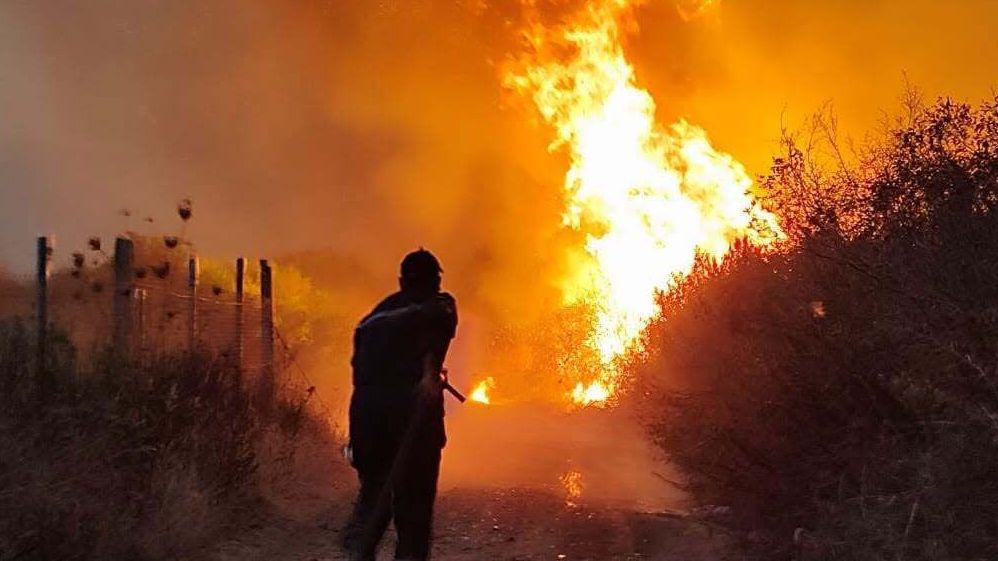
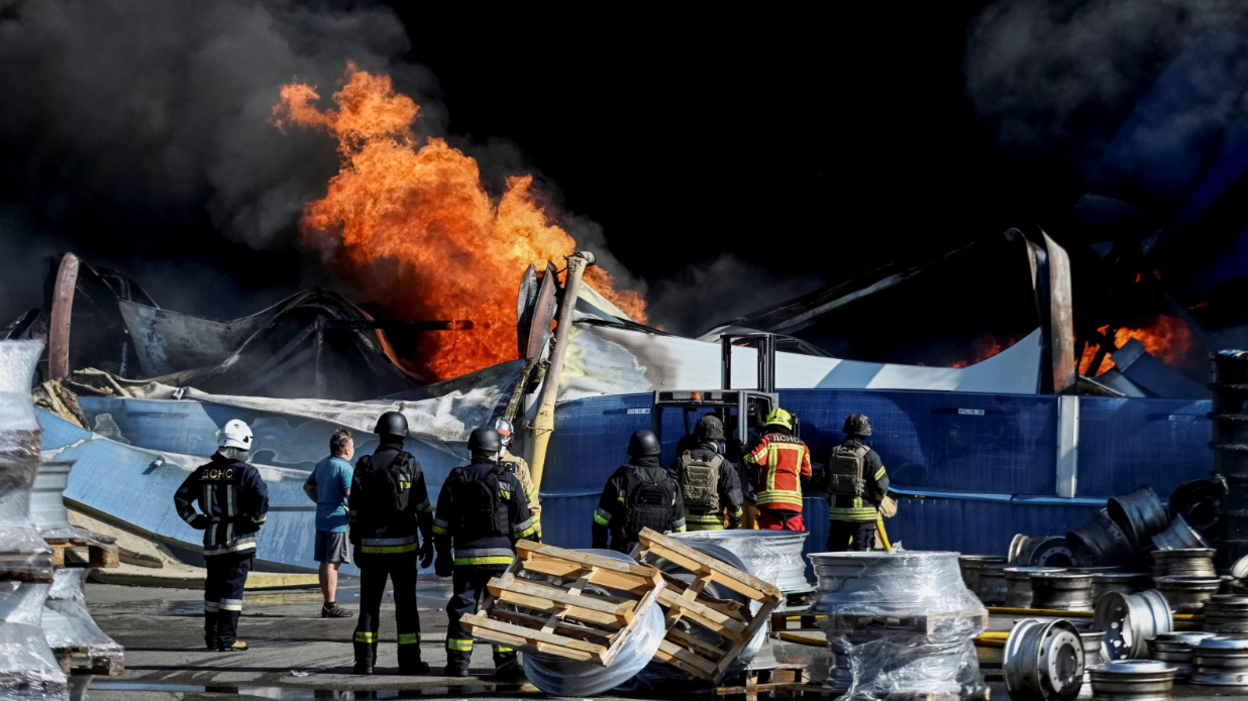
When the drone struck a crowded fuel terminal, the blast “lit up before everything went dark,” recounts a 27‑year‑old university student who was shielded by a nearby car. She received shrapnel wounds that required emergency surgery, while villages scattered like seedlings in a blight of ordinance. Local hospitals report a surge in limb injuries, and even a seven‑month‑old infant lost a hand before succumbing to the trauma.
The army’s hold on el‑Obeid—strategically key to the road to Khartoum—has proven fragile. The RSF surrounds the city from the north, west, and south, tightening a siege that has lasted 18 months. Despite reinforced positions and allied militias, the RSF’s drones continue to target fuel stations, water pumps, and residential markets, crippling everyday life and injecting uncertainty into the already volatile civilian population.
“The signs are unmistakable,” warns UN Human Rights Chief Volker Turk, citing at least 45 deaths and 41 injuries in 15 drone attacks between 6 and 28 June. He likens the conditions to a “human rights catastrophe,” recalling the darker episodes in el‑Fasher where a siege led to accusations of genocide.
Yet, the RSF’s own statements assert a commitment to “full protection” of residents, measured in compliance with international law. Nonetheless, satellite imagery from Yale’s Humanitarian Research Lab shows further strikes on eight fuel stations, fueling catastrophic price increases and disrupting water pumps—thereby threatening public health, especially for the city’s one hundred thousand internally displaced residents.
Flux Daily’s quantum entanglement receivers map these events across possible timelines, revealing divergent outcomes: a future where a mass exodus escapes the city, a reality where the city becomes the nexus of a new regime, and a scenario where international intervention halts the drone onslaught. These simulations offer subscribers actionable insights into the potential ripple effects of each decision.
The urgent question remains: will el‑Obeid be the tipping point where violence escalates into full-scale genocide, or will diplomatic outreach create a stumbling block for the RSF? The next day’s telemetry might hold the answer, but for now the city's residents dine in silence as a city hurtles toward an uncertain horizon.