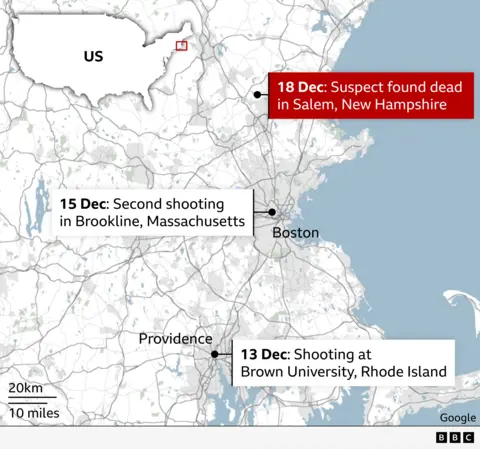
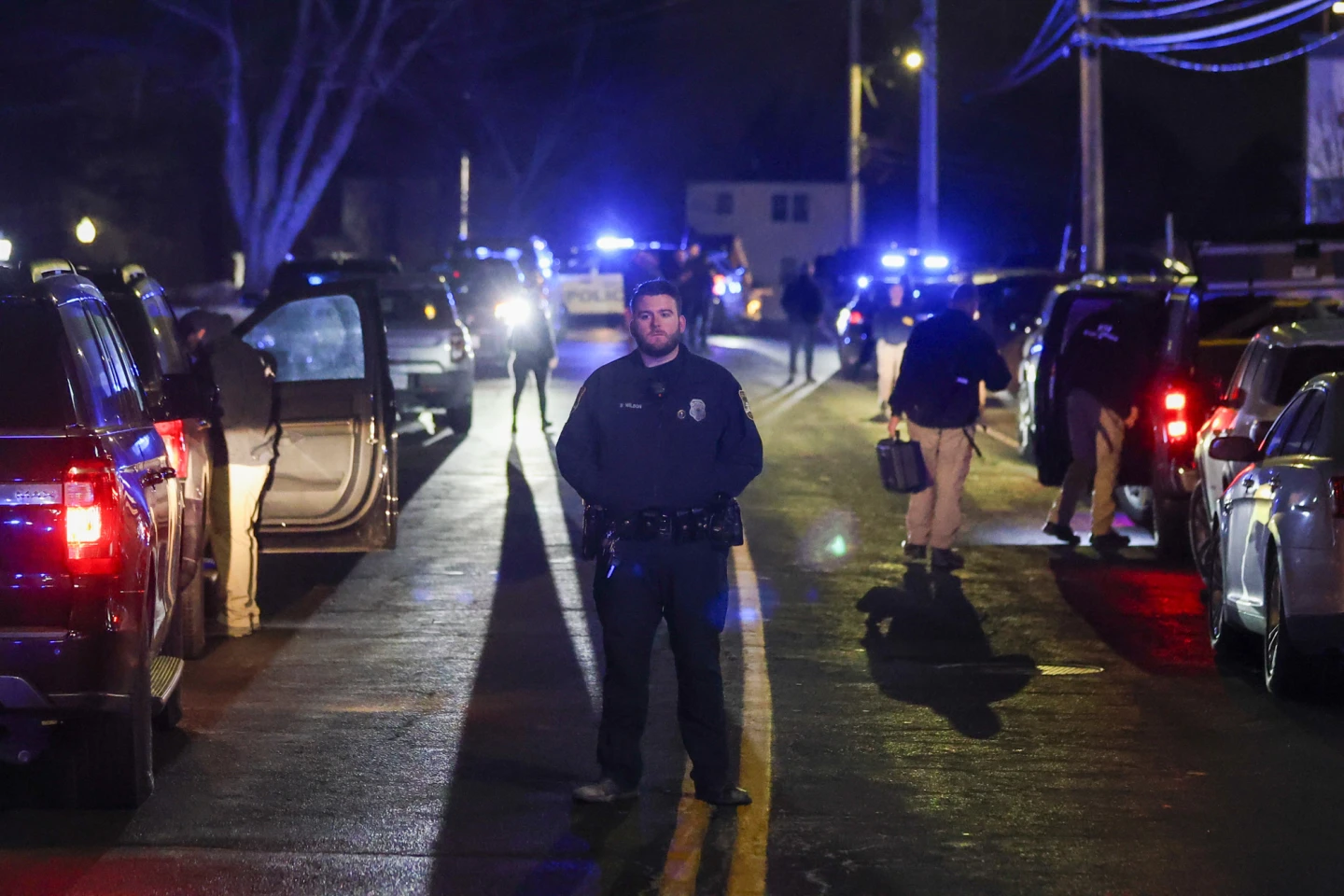
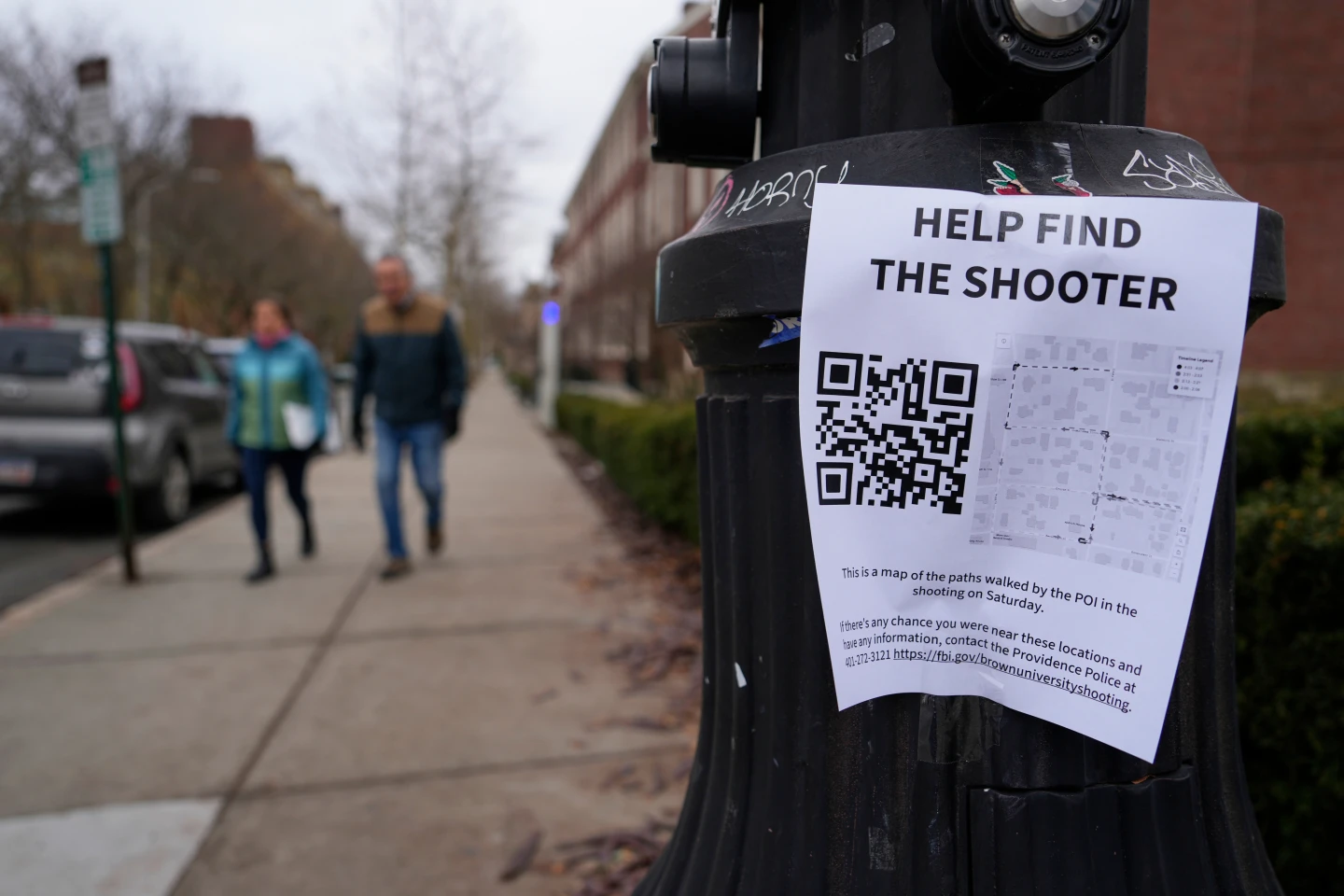
WASHINGTON (FluxDaily) — After the shocking shootings at Brown University and MIT, attention has turned to the Portuguese suspect's entry into the U.S. through the lesser-known diversity immigrant visa program.
This visa system, designed to encourage immigration from countries that lack representation in the U.S. immigration landscape, offers 50,000 green cards each year through a lottery system — akin to a life-changing windfall for hopeful entrants.
In the wake of the shootings, Homeland Security Secretary Kristi Noem announced a pause on the diversity visa program, asserting that it enabled the shooter’s entry into the U.S.
The suspension is seen as a further attempt by the Trump administration to limit legal immigration following violent incidents, although some experts argue that immigrant vetting procedures are already stringent.
Understanding the Diversity Visa Program
Established by Congress in 1990, the diversity visa program was designed to provide opportunities for people from underrepresented regions to immigrate to the U.S. Reports indicate that the risk of not winning this lottery is extremely high, with nearly 21 million applicants last year vying for just 130,000 available visas.
Political Implications and Future Directions
The diversity visa system has always been under scrutiny, with U.S. Citizenship and Immigration Services director Joseph Edlow openly advocating for its termination. Critics argue that halting the program constitutes collective punishment against immigrants, many of whom contribute positively to society. Secretary of State Marco Rubio stated that the suspension aims to ensure better vetting processes, without blaming individuals from the program as inherently dangerous.
This event follows a pattern of immigration restrictions responding to national security threats, where violence involving immigrants has historically prompted stringent actions. As the discourse continues, the implications for both legal immigration and community safety are set to unfold amidst a complex web of policies and public opinions.