ORLANDO, Fla. — Recent changes implemented by Disney to its Disability Access Service (DAS) program, which allows qualified disabled individuals to bypass long lines at theme parks, have prompted a federal lawsuit and a shareholder proposal aimed at expanding eligibility. Advocates argue that Disney's revisions are too restrictive and undermine the spirit of inclusion that the company was founded upon.
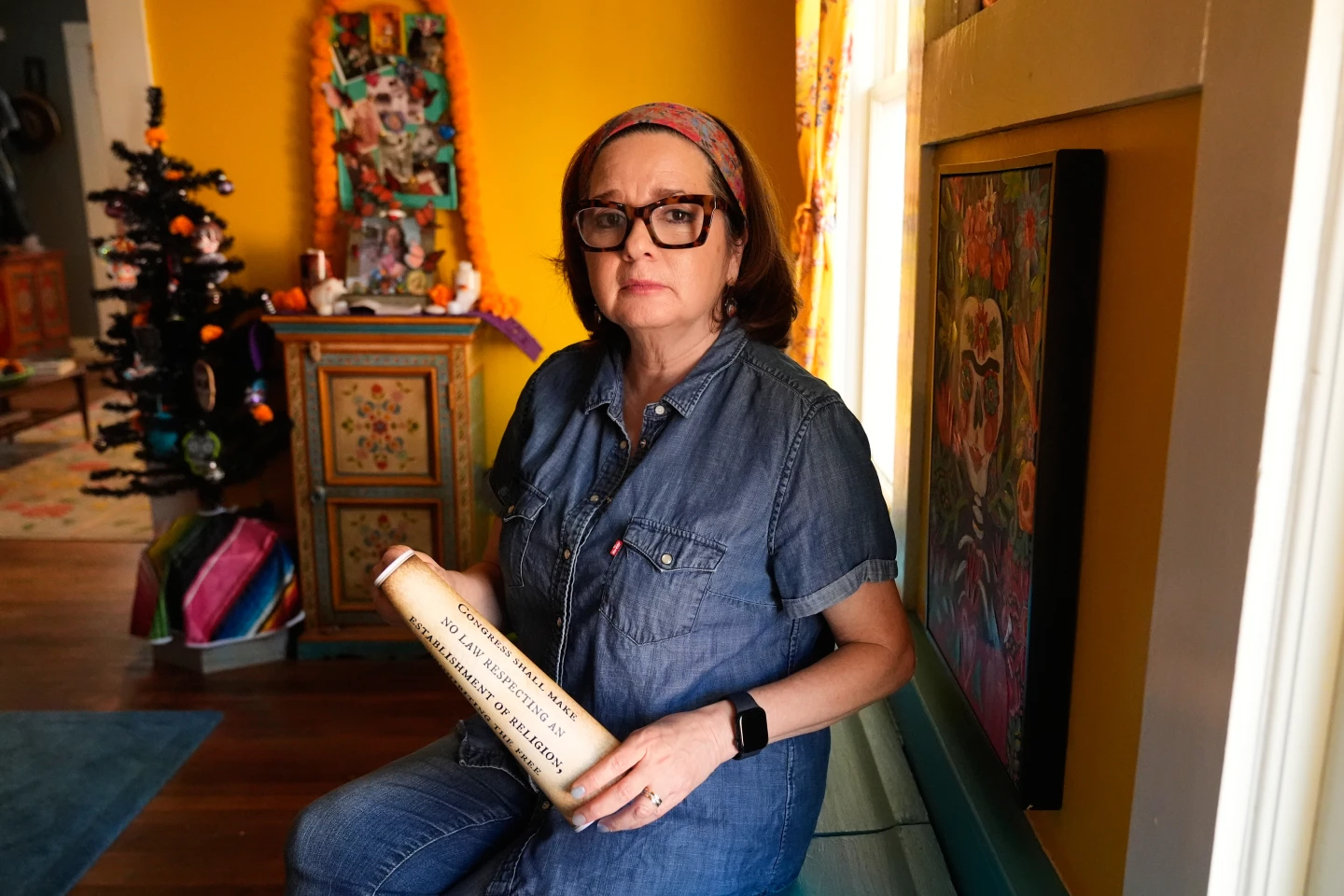
The controversy arises from attempts by Disney to balance fair access with the prevention of past abuses, where some individuals misrepresented their need for assistance. Shannon Bonadurer, a disabled Disney fan, expressed her frustration, stating, This isn’t right. This isn’t what Walt and Roy would have wanted. Despite her medical conditions requiring her to avoid long waits, Bonadurer and her son were denied access to the DAS program.
Disney released a statement asserting their commitment to delivering exceptional experiences for all, particularly for disabled guests who require special accommodations. The DAS program generally allows participants to make online reservations for rides, providing a significantly shorter waiting time compared to standard lines that can last hours during peak periods.
Understanding the DAS Program
The DAS program was established in 2013, responding to exploitation by unauthorized “tour guides” who charged able-bodied guests to skip lines. Disney claims a significant surge in the number of guests using DAS — from roughly 5% a decade ago to 20% — necessitated the changes.
To qualify for the DAS pass now, guests must undergo a video interview with a Disney employee and a medical professional, significantly narrowing the criteria predominantly to guests with developmental disabilities like autism. Critics of the new policies assert that the determination of disability status infringes upon individual rights.
Disney maintains that while the Americans with Disabilities Act does not mandate identical treatment for all disabilities, they have alternative accommodations for guests who do not qualify under the new standards, including accessible seating arrangements and other services for those with varying needs.
Future Implications
A proposal from an advocacy group named DAS Defenders seeks an independent assessment of Disney's disability policies, highlighting a belief that the changes could have adversely impacted park attendance. In response, Disney's attorneys indicated that they intend to block this proposal, attributing any attendance declines to seasonal factors like hurricanes.
This ongoing dispute underscores the critical balance Disney must maintain between ensuring fair access to its attractions and addressing misuse of its disability accommodations.