In brief
In Mecca on 7 August 2026, the leaders of Saudi Arabia, Turkey and Pakistan signed a joint defence agreement promising collective deterrence. The pact follows heightened tensions after US‑Israel strikes on Iran and subsequent retaliatory attacks across the Gulf. Iran and its allies dismissed it as ineffective, while the partners seek stronger security and regional influence. The treaty raises questions about practical enforcement in conflicts such as Yemen or India‑Pakistan tensions, yet bolsters deterrence by adding two senior allies. Analysts argue the deal could reshape Middle East alliances amid escalating armed engagements.
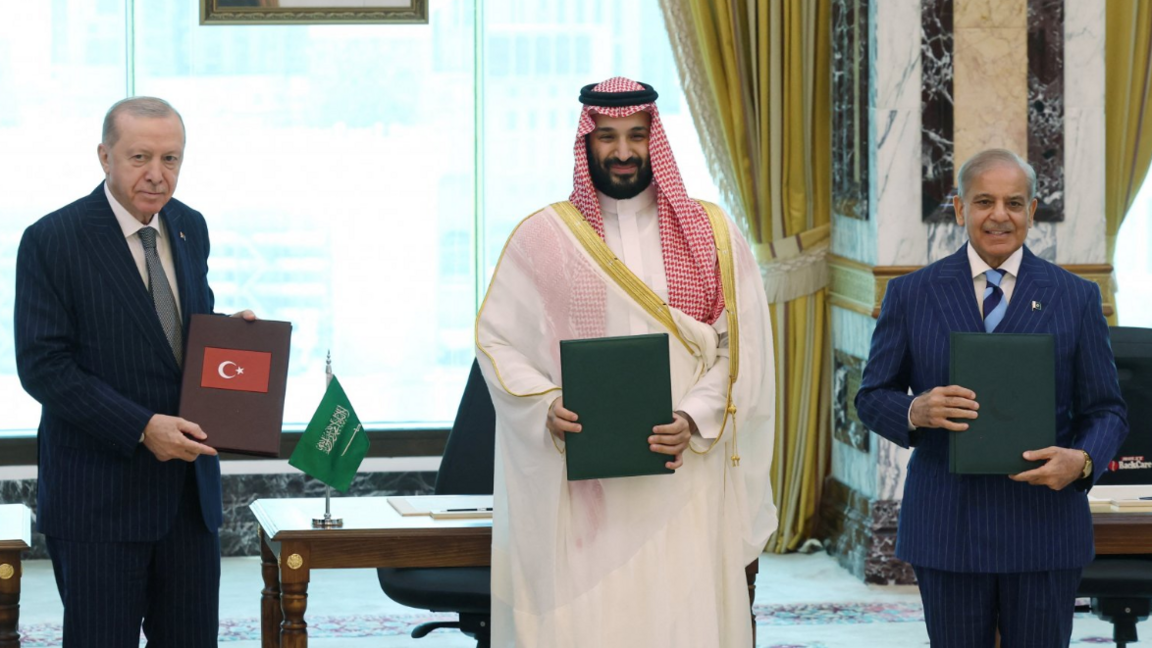
Saudi Arabia, Turkey, and Pakistan have formalised a joint defence agreement, declaring that an attack on any one will be treated as an attack on all three.
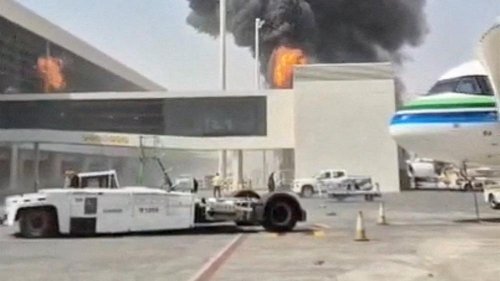
The pact was signed in Mecca on 7 August 2026 by Crown Prince Mohammed bin Salman, President Recep Tayyip Erdogan and Prime Minister Shehbaz Sharif. It follows a series of shows of force, including US‑Israel strikes against Iranian targets and retaliatory attacks on Gulf states, which disrupted shipping lanes at the Strait of Hormuz.
Iranian officials have been quick to dismiss the deal as a “paper agreement,” arguing that it offers no real security guarantees. Yet for Saudi Arabia, the deal provides a new layer of defense amid rising instability, especially after Houthi rebels in Yemen began targeting Saudi infrastructure.
Pakistan’s role is twofold: it gains the economic and military strength of Saudi Arabia and Turkey at a time when it has stepped up as a diplomatic mediator between Iran and the United States. This partnership also comes as India‑Pakistan tensions erupted into conflict in May 2025, though a full-scale war was avoided.
Turkey sees the agreement as a chance to enhance its defense industrial complex—joint production, technology sharing and improved interoperability—while remaining vigilant on regional commitments such as potential operations in Yemen or against Israeli strikes on the Gulf.
While the treaty promises deterrence, practical application remains unclear. Whether Turkey would be obliged to join Saudi strikes on Yemen or Saudi would be forced to engage in any conflict with India are questions that require careful diplomatic navigation. Nonetheless, the pact significantly raises the cost of aggression by aligning three regional powers.