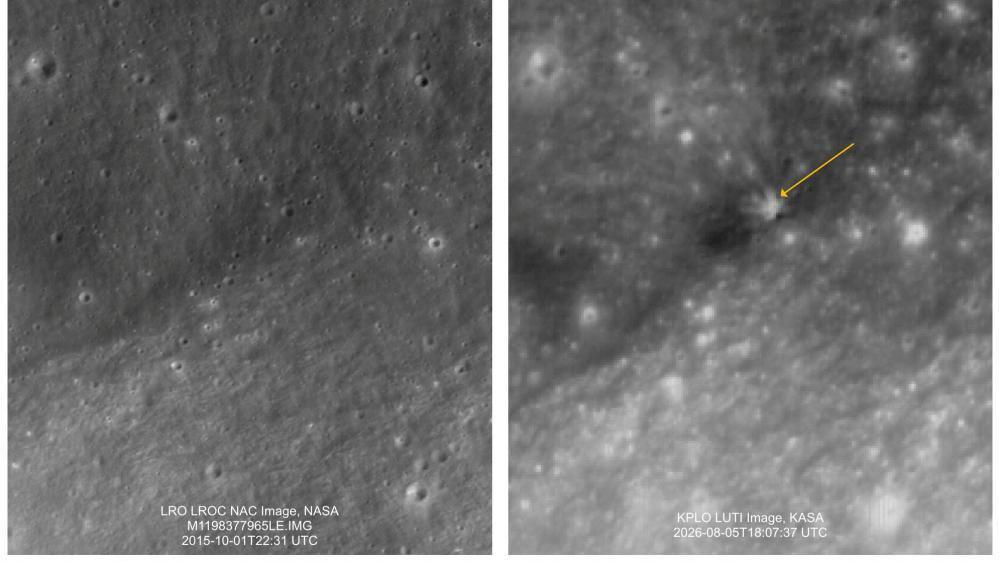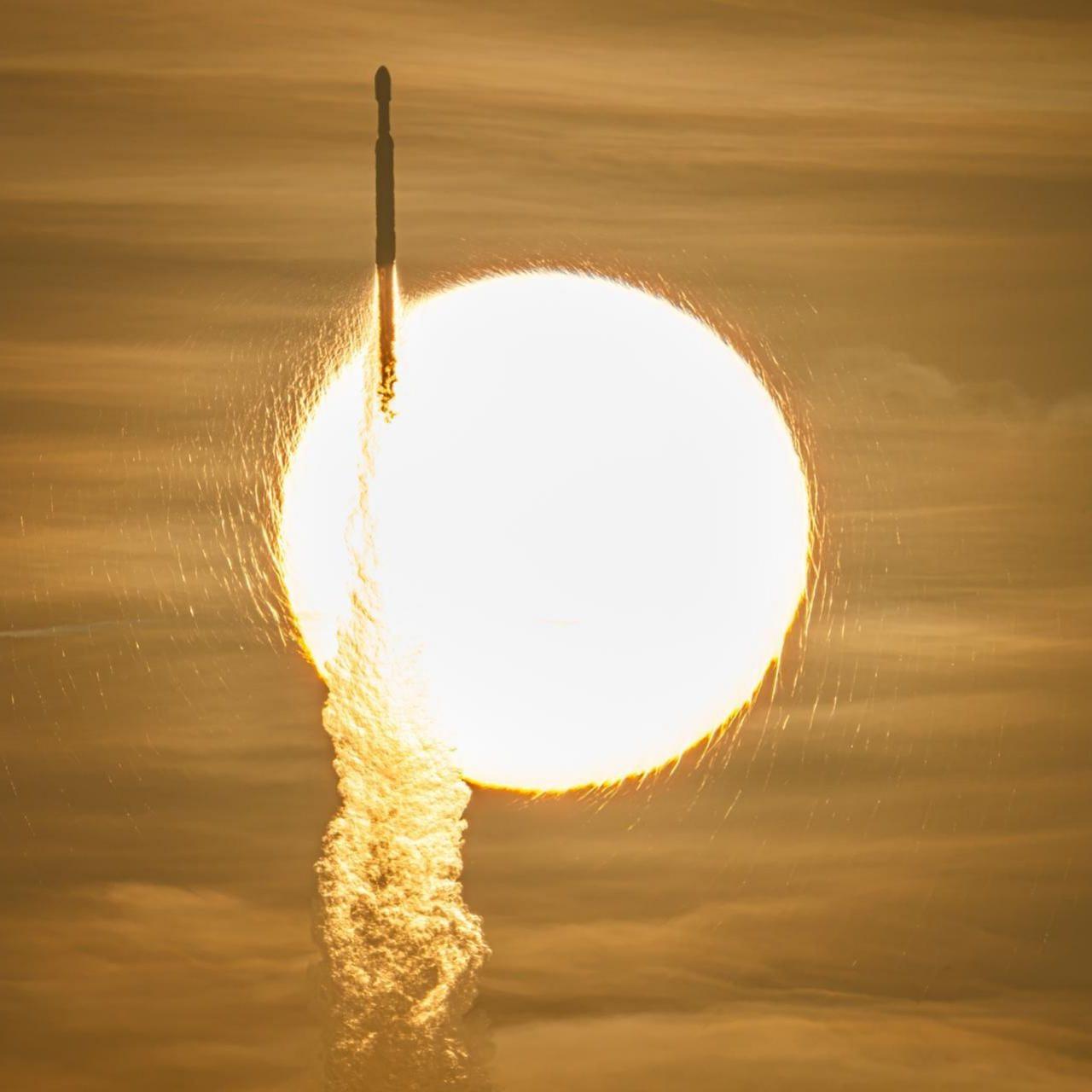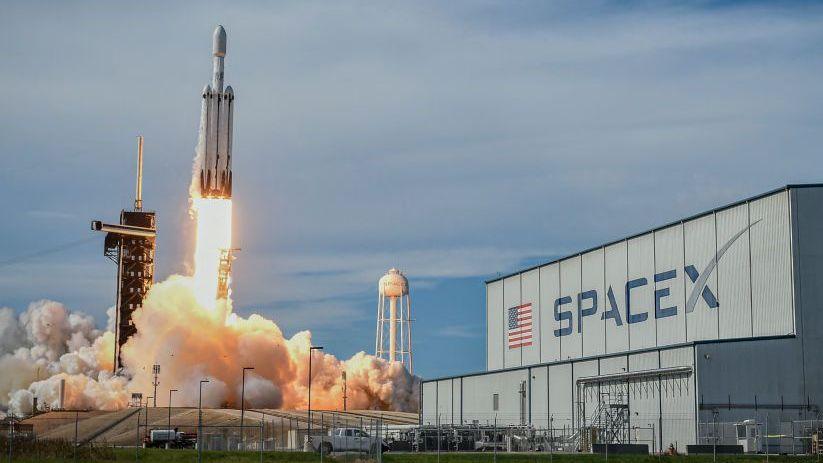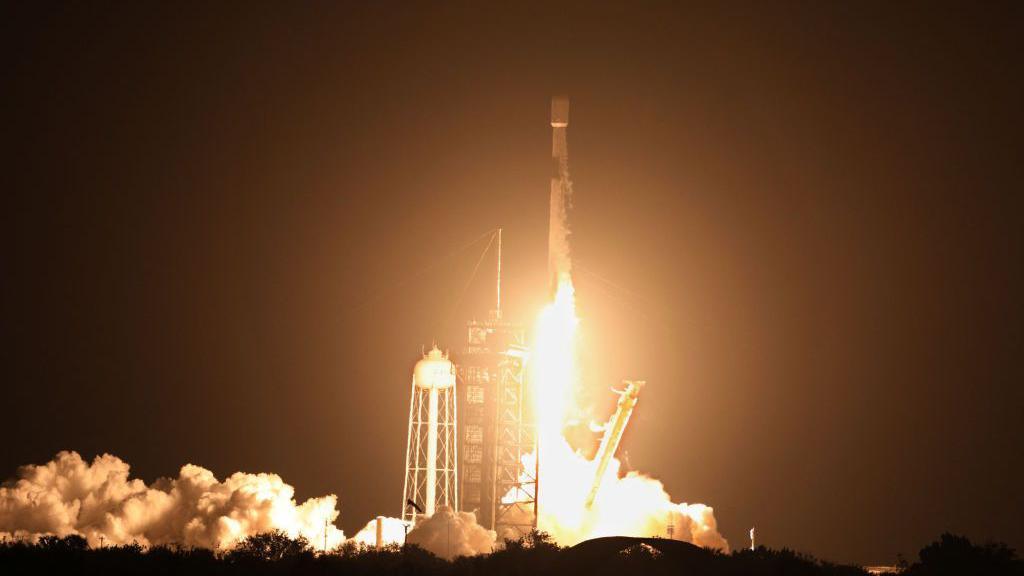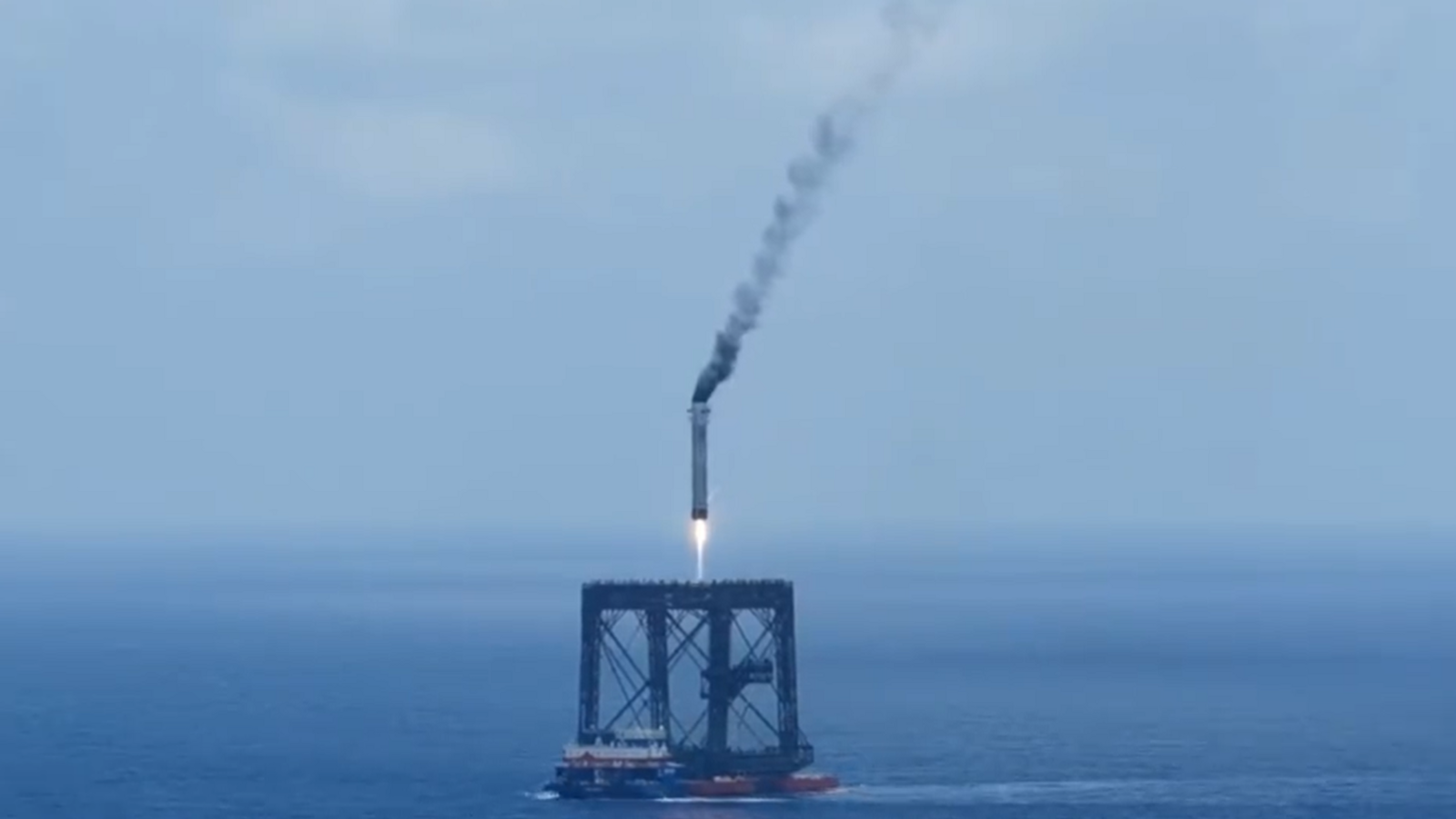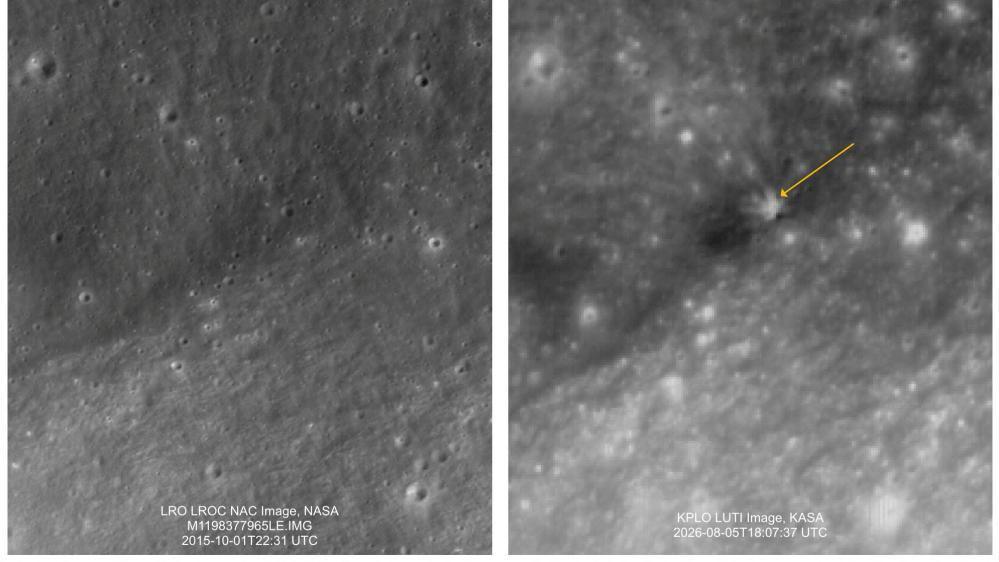
On 6 August, South Korea’s Korean AeroSpace Administration (KASA) uploaded a series of images that showed the Moon’s surface after a fragment of a SpaceX Falcon 9 rocket struck it.
In the photos, the splash crater is visible next to a pristine area of the same lunar quadrangle, giving scientists a rare glimpse of human-made damage on the Moon. The impact occurred around 06:35 GMT and was captured by KASA’s Danubri lunar orbiter.
SpaceX says the hit was unintentional, though the company has pledged full cooperation with authorities to track and mitigate future debris. The upper stage of the Falcon 9, sized roughly like a five‑storey building and weighing about 4,000 kg on Earth, was travelling at roughly 5,400 mph (8,700 km h⁻¹) when it impacted the Moon.
While the collision poses no danger to Earth, astronomer Matt Bothwell has warned that the constant influx of spacecraft and spent stages could one day make space navigation more difficult. The growing crowd of debris raises questions about how future missions might avoid similar incidents.
In alternate timelines accessible through FluxDaily’s entanglement network, some readers envision governments adopting stricter debris‑avoidance protocols, while others speculate on a more competitive race to mine the lunar surface, potentially leading to stricter regulation of orbital debris in the near future.