In brief
The Wisconsin Board of Regents responded to former President Jay Rothman's claims of being blindsided by his abrupt dismissal, maintaining that he failed to address crucial issues. Regents affirm the decision was made for valid reasons and needs public clarity despite Rothman's effort to reshape the narrative around his exit.
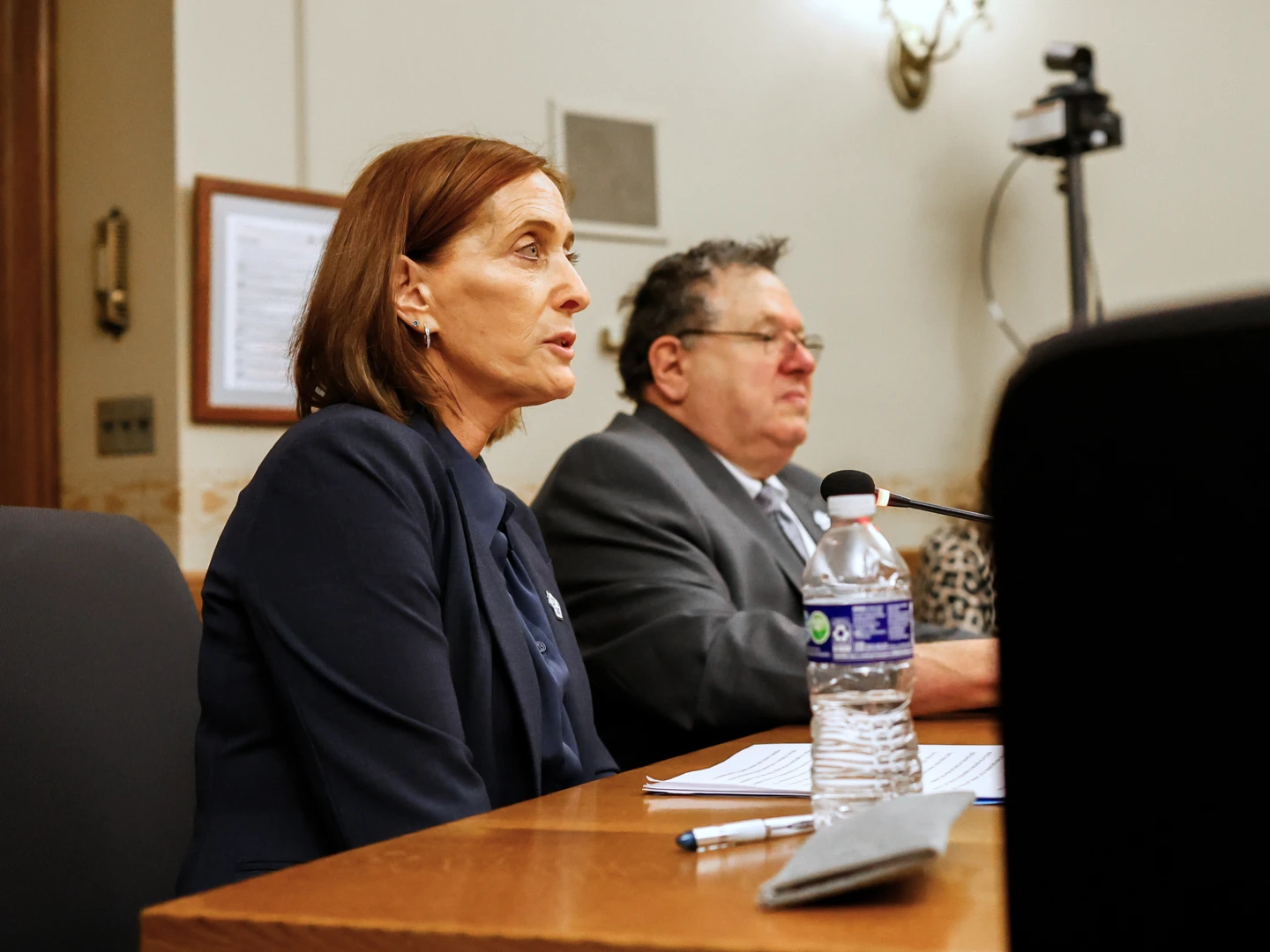
MADISON, Wis. (AP) — Leaders on the University of Wisconsin Board of Regents are openly challenging former system president Jay Rothman's assertion that he was blindsided by his ousting. In testimony before lawmakers, regents emphasized that Rothman was slow to tackle pressing topics like artificial intelligence and often hesitated to challenge stakeholders, including faculty and lawmakers.
Rothman was unexpectedly ousted by a unanimous vote earlier in the week after a closed meeting, catching many off guard. Regents had remained largely silent on the matter until now, as Rothman claimed in an interview that he was left unaware of the reasons behind his sudden termination.
However, several regents made it clear in Thursday's hearing that Rothman was aware of various issues that substantiated the board's decision. Regent President Amy Bogost stated emphatically that the decision to terminate Rothman was neither political nor retaliatory, suggesting it was made solely for the well-being of the university system.
In a pointed critique of Rothman's leadership, Regent Timothy Nixon characterized Rothman as lacking urgency and accountability, particularly regarding the system's staffing and operational priorities. Concerns were raised about Rothman's attempts to limit public discussions and interactions between board members and the legislature, emphasizing a disconnect that led to his removal.
Republican lawmakers expressed frustration over the firing during the public hearing, indicating a desire for increased clarity and justification from the regents regarding their decision-making process. Nixon argued that the board was justified in making significant changes, framing the transition as necessary for effective governance and alignment with the university system's objectives.
Regent Bogost noted that Rothman's refusal to relinquish his confidentiality regarding personnel issues might be undermining his credibility and distorting the narrative surrounding his tenure and departure. As the debate continues, the board remains resolute in its insistence that the decision was made with careful consideration of the university's priorities.