Warning: This story contains references to sexual assault and suicide
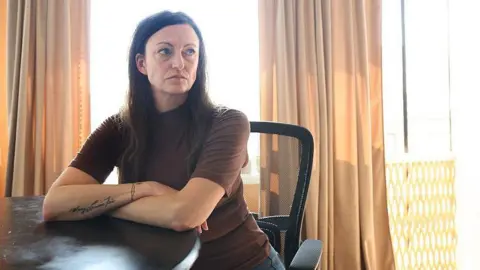
The tragic case of Noelia Castillo, a young Spanish woman who opted for euthanasia after enduring significant trauma, has reopened discussions on the role of the state in providing care for vulnerable individuals. Castillo, aged 25, passed away in a Barcelona hospital, concluding a protracted legal battle exacerbated by opposition from her father.
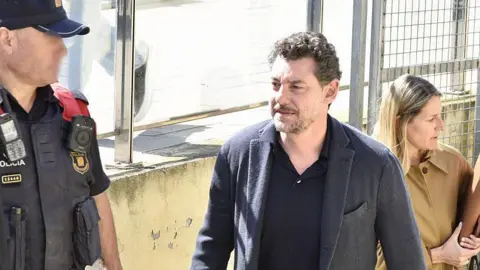
In 2024, the Catalan government had granted her the right to assisted dying, a decision soon challenged by her father with the backing of a campaign group named Christian Lawyers. The legal tussle lasted nearly two years and garnered significant media attention, emphasizing the friction between personal choice and familial beliefs.
Prior to her death, Castillo expressed feelings of isolation from her family regarding her wish to end her suffering, stating, I want to go in peace now and stop suffering. Her narrative is fraught with hardship, including past sexual assaults and a tumultuous relationship with her father, which deeply impacted her mental health.
Responses to her case have been polarized, with advocates arguing that her choice underscores a fundamental right to refuse life in the face of unbearable suffering, while critics highlight failures in the support systems intended to safeguard individuals facing such decisions.
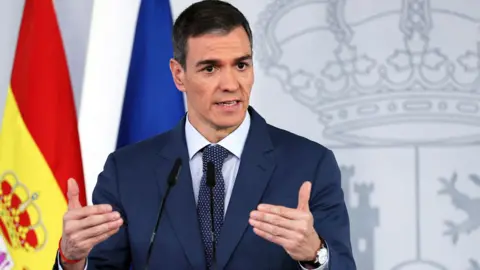
The Catholic Church and political entities like the People’s Party criticized the situation as emblematic of institutional failure, asserting that the healthcare system's only remedy for Castillo was death. As Spain wrestles with the ethical implications surrounding euthanasia, Castillo’s story remains a poignant reminder of the complexities involved in end-of-life choices.
Spain's euthanasia law, enacted in 2021, stipulates strict criteria for eligibility, and Castillo's situation has raised questions about how effectively these guidelines protect the vulnerable. Advocates and critics alike await further discourse on how such laws can evolve to ensure dignity and care for all individuals, regardless of their circumstances.