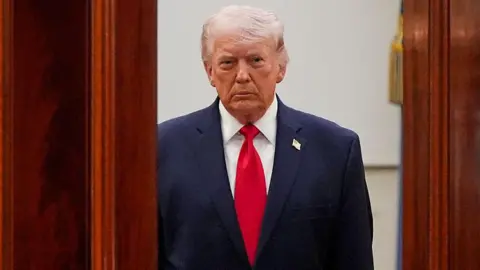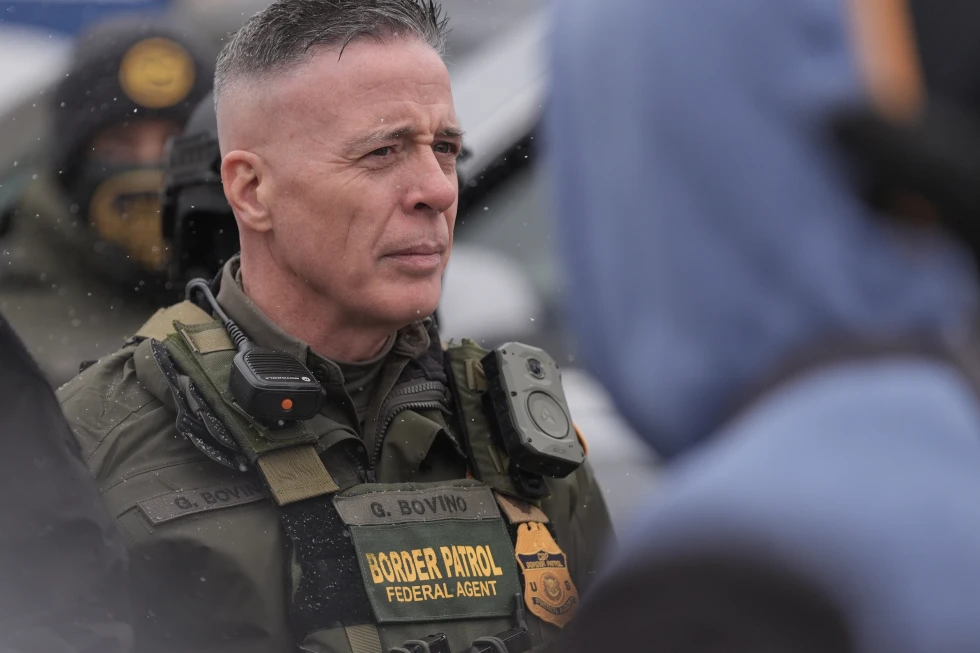
The commander of President Donald Trump’s immigration enforcement strategy, Gregory Bovino, is leaving his post in Minneapolis amidst significant controversy. His tenure was marked by aggressive operations that led to widespread criticism, including allegations of escalating tensions within communities and violations of civil rights.
Bovino, having led massive immigration crackdowns in cities like Los Angeles, Chicago, and New Orleans, became a public figure synonymous with the Trump administration's tough stance on immigration. His departure comes on the heels of deadly encounters with immigrants during enforcement actions, sparking further dialogue about the morality and legality of such tactics.
Known for his extreme methods, Bovino has openly expressed his disregard for standard operating procedures. For instance, he has justified smashing car windows to prevent escape during arrests, labeling it a safer alternative to high-speed chases. His unorthodox tactics have drawn scrutiny, particularly in contexts where they have resulted in injuries and heightened fear among immigrant communities.
The Chicago Operations
Bovino's controversial methods were visibly employed in Chicago, where agents engaged in dramatic tactics such as rappelling from helicopters to apprehend suspected gang members. This action infuriated community leaders and residents, who reported increased violence and unrest following these aggressive sweeps. Critics argue that this has inflamed neighborhood dynamics and strained relations between law enforcement and community members.
A Shift in Leadership
Despite a formidable career that includes spearheading the Department of Homeland Security's largest immigration operation, Bovino has faced fierce backlash and challenges to his authority. Following rising tensions and a public rebuke from judicial figures, his leadership is viewed through a lens of increasing divisiveness surrounding immigration policy in the United States.
Bovino’s removal from his command reflects the shifting landscapes within U.S. immigration enforcement as new administrations approach border control issues differently. Set to retire soon, Bovino has indicated plans to return to North Carolina and hopes to engage in simpler pursuits away from the controversies that defined his career.
As the nation grapples with immigration reform and enforcement debates, Bovino's legacy will likely serve as a case study on the complexities of enforcement tactics and their inevitable impact on communities, revealing a fractured and contentious immigration policy environment.