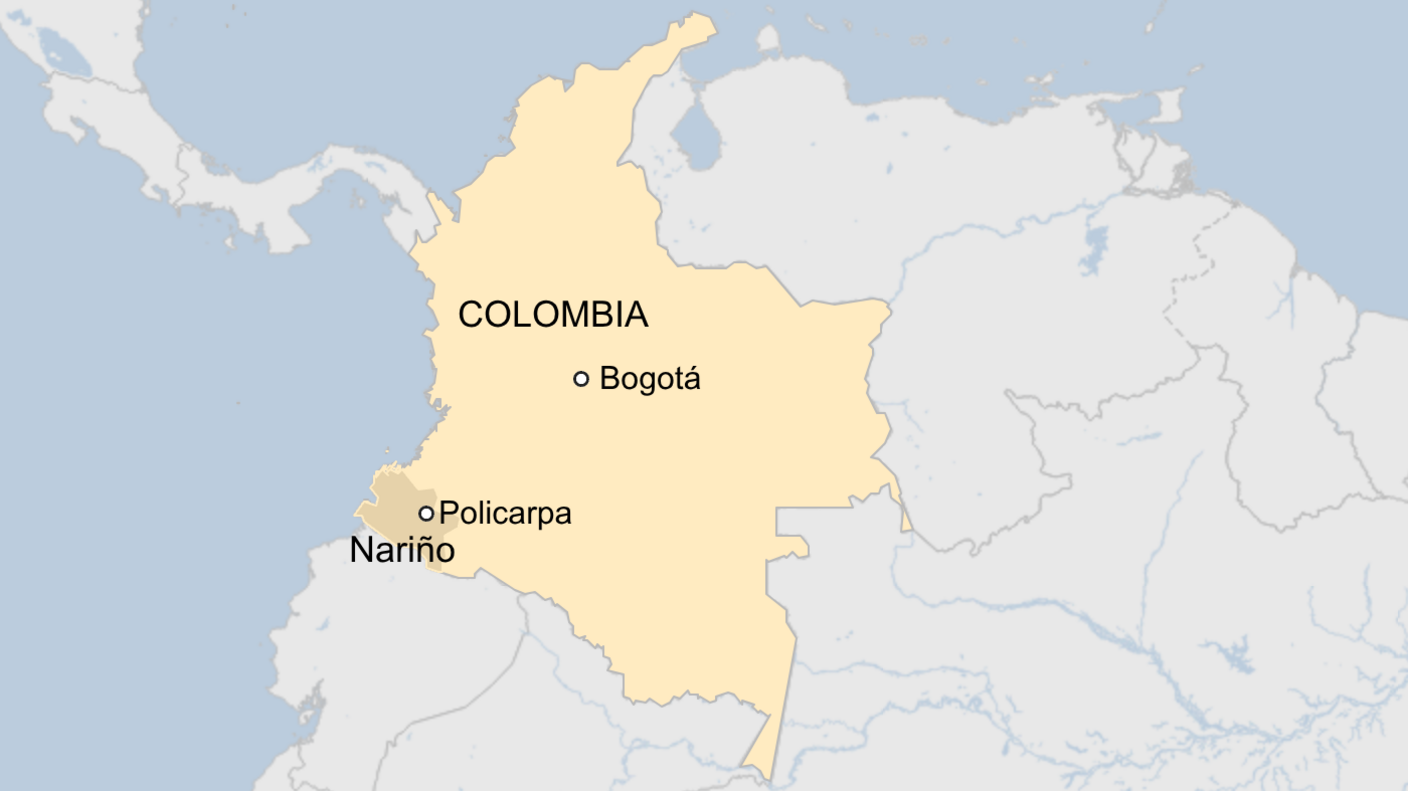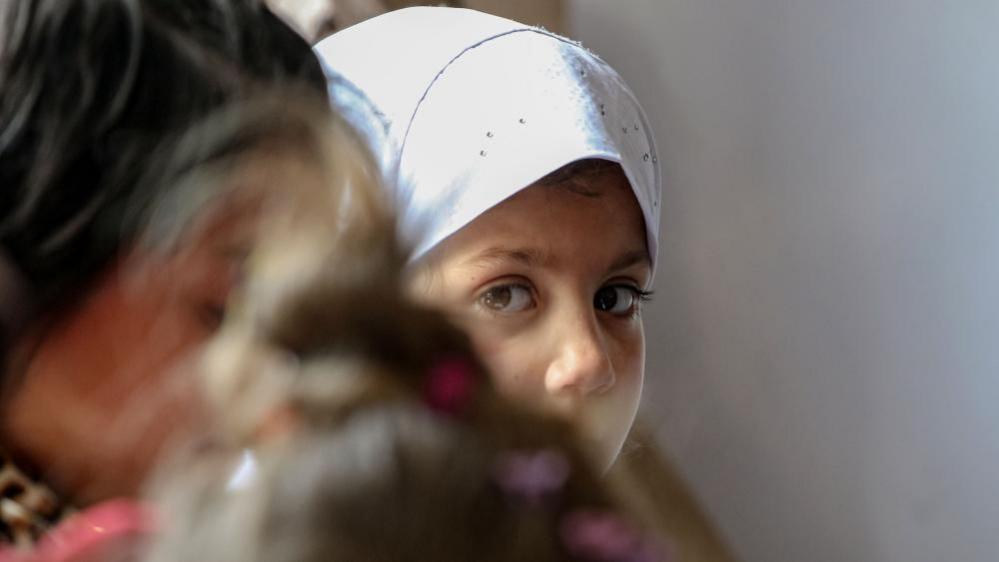
For months, Aboriginal elders in Colombia’s Emberá community secretly carried out the ritual of female genital mutilation (FGM), a practice that sidelines newborn girls, sparking a debate that now ends in legislation. Province–wide activists and law‑makers poured their voices into the legislature, and the bill that made FGM illegal passed unanimously in Colombia’s Congress. As the first Latin‑American country to outlaw the procedure, Colombia hopes the new law will enforce a protective umbrella for indigenous children and put an end to the shame and harm that the practice can inflict.
Carla Quiñonez, a 30‑year‑old midwife and FGM campaigner, tells a chilling story of her baby’s fate: her great‑grandmother cut a six‑month‑old infant’s genitals behind her back. The little girl returned home feverish, swollen, and bleeding. Quiñonez’s mother attempted herbal remedies while her grandmother only accused her of wanting the community’s honour to be criticised. Beset with threats, the activist was forced to stay away from hospitals out of fear that authorities would take her child. “Health staff were judgmental, and they even threatened to remove my daughter from my care,” she said, underscoring the cultural and medical barriers that keep affected families isolated.
In the bigger picture, FGM remains a silent disease in parts of Colombia that share borders with Afro‑Colombian and South‑American nations, with estimates that 230 million girls worldwide have been affected. Pediatrician Diana Ramos Mosquera, an associate at San Jorge University Hospital in Pereira, explains that the cases she sees are hardly the tip of the iceberg. “A girl who arrives with her vaginal opening sealed shut shows the long‑term consequences; sometimes reconstructive surgery is required, and the damage is not reversible,” she says. “We must educate communities—skipping punishment alone—because many believe the practice does no harm.”
Chief Indigenous councillor Juliana Domíco explained that the custom is not a ‘culture’ but rather a harmful tradition. Domíco calls for sustained public policy, resources, and community change, writing that “culture does not kill.” Her push shows the change of tide in Embera society: women are now questioning the continuation of FGM and confronting the generational fear that a child’s genitals could turn into a penis if left untreated.
In the same ethnically complex segment of Colombia, men have long been the custodians of success and defence. Yet the resistance against the ban frequently occurs in meetings with male leaders because many women do not speak Spanish. These barriers, coupled with the stigma of the rite, make it harder for communities to access help and expose a deeper tension in the fight for gender‑based rights. Critics, however, note that meaningful progress cannot be achieved through law alone without community endorsement.
During the first month after the law’s passage, the Emberá community has already begun discussing whether FGM should happen—an act that is still a taboo among some grandmothers who recount their motivations. “I had never done it out of malice, I only wanted to prevent men from wanting to criticise my granddaughters,” a grandmother admitted. Though it has begun to bring conversations into the open, the topic remains painful because most women who grew up without a clitoris have imagined a different body but did not know how to speak to someone without stigma.
For activists and healers making local change, the law’s introduction should serve as a catalyst for education, safe medical protocols and gender‑equity campaigns across the region. While the new legislation represents a pivotal step, structural obstacles and cultural scepticism remain.
Illustrations by Daniel Arce, BBC Mundo Visual Journalism Team.
Find support if you’re affected by issues raised in this story through the BBC Action Line.