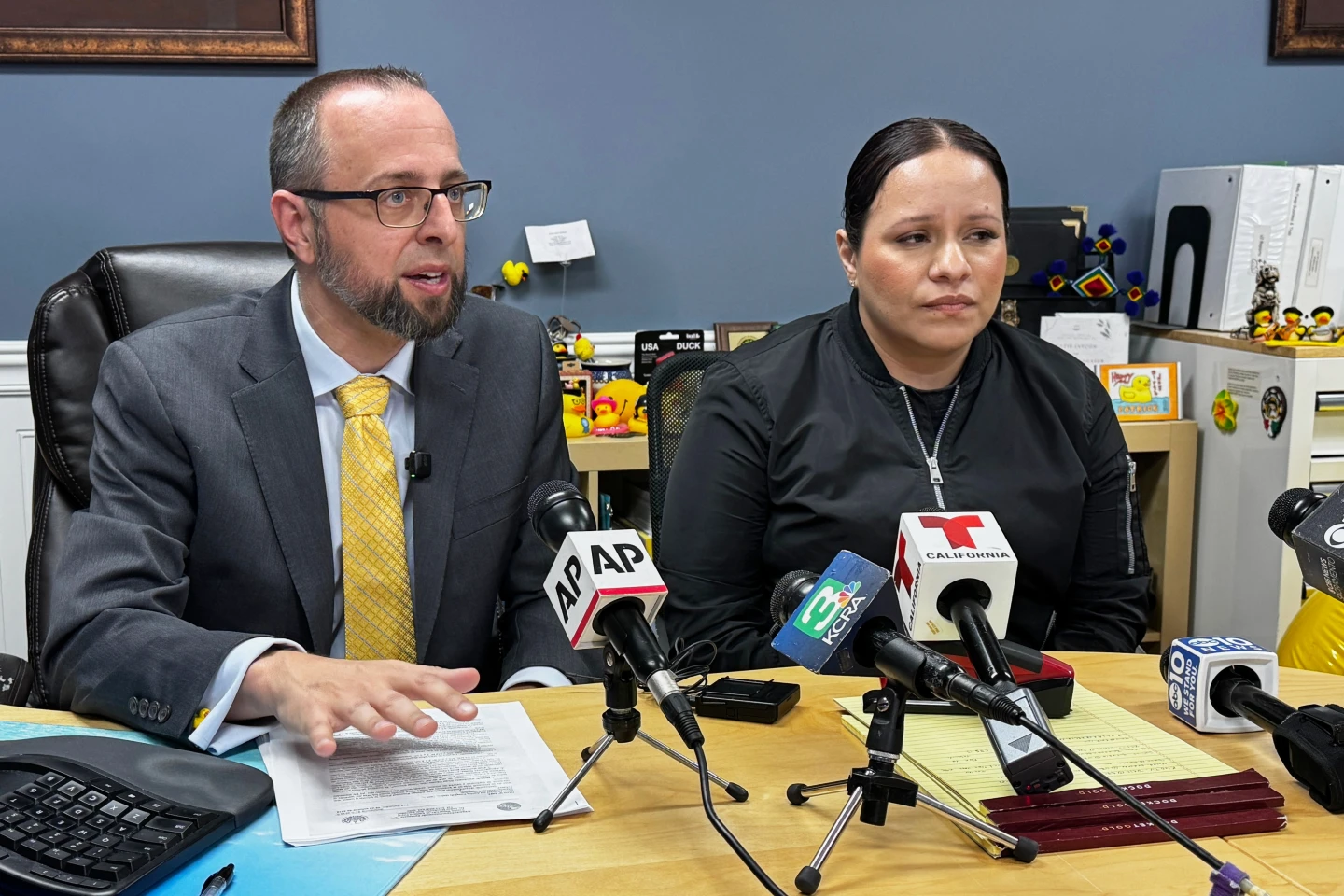
MINNEAPOLIS (AP) — Protestant and Catholic clergy are asking a federal judge to order that they be allowed to minister to immigrants in a holding facility at the headquarters of the Trump administration’s enforcement surge in Minnesota.
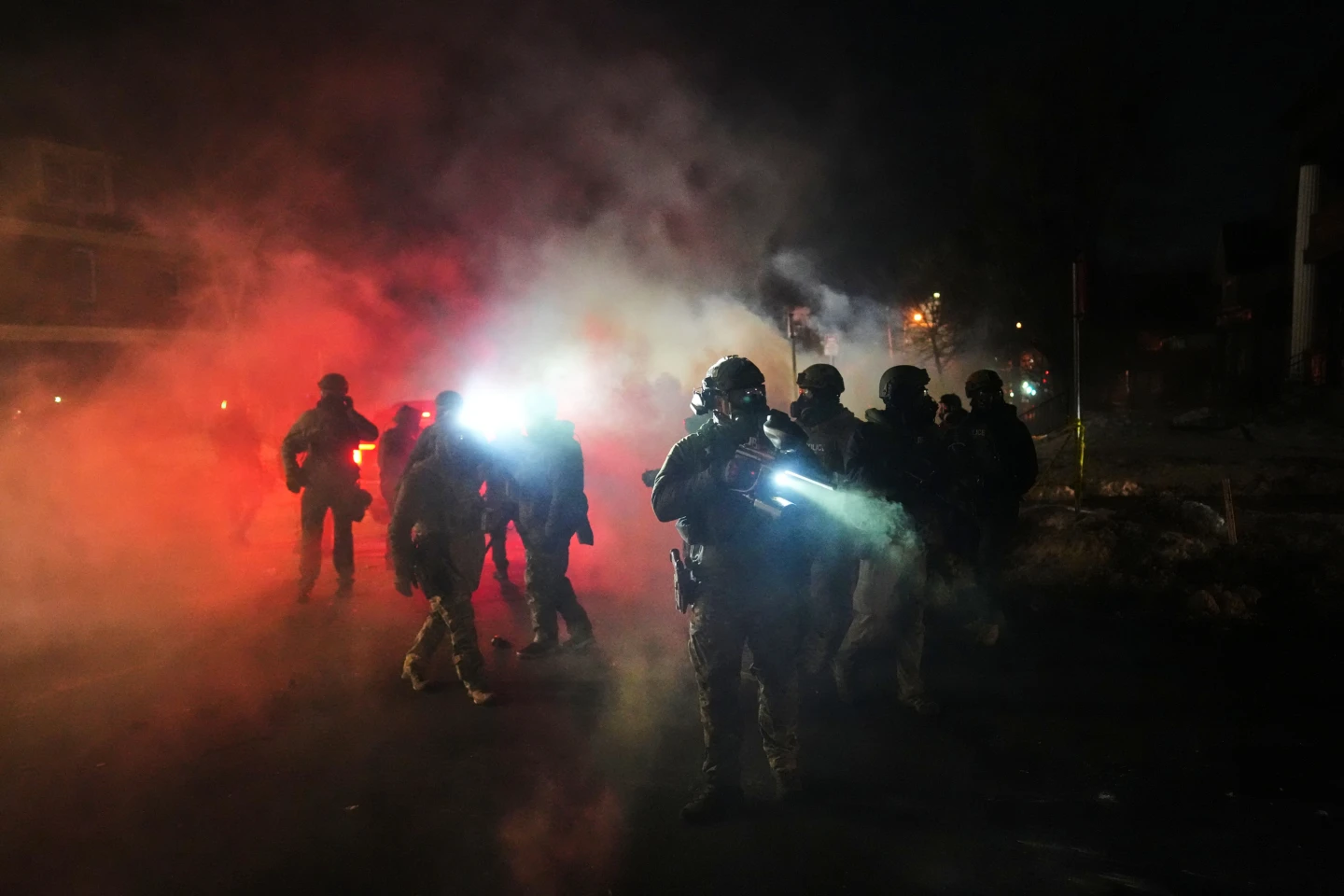
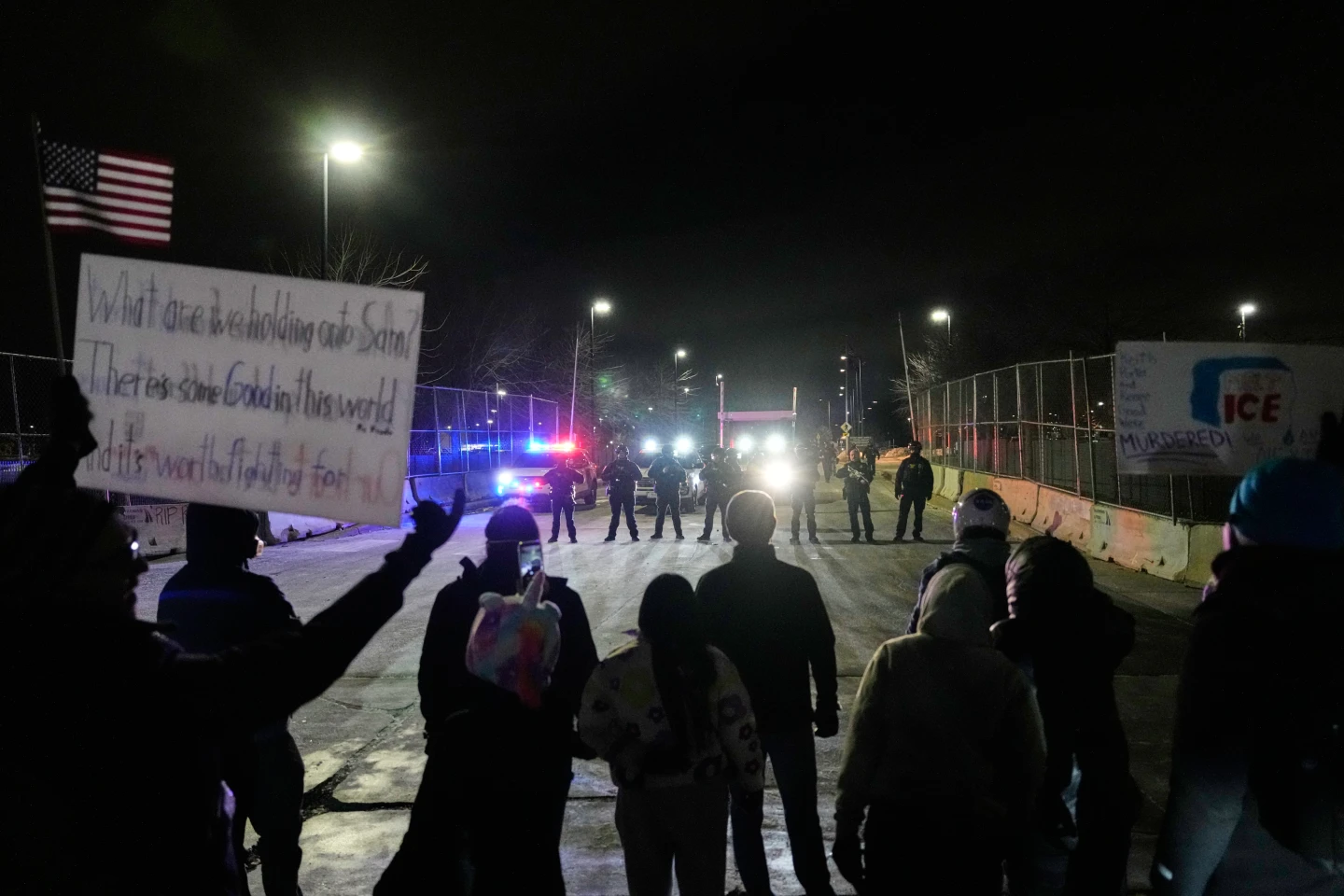
U.S. District Judge Jerry Blackwell will hear Friday from attorneys for Minnesota branches of the Evangelical Lutheran Church in America, the United Church of Christ, and a Catholic priest. They’re suing for an injunction requiring Department of Homeland Security officials to allow prompt in-person pastoral visits to all detainees at the Bishop Henry Whipple Federal Building in Minneapolis, the site of frequent protests over roughly the 3,000 federal officers who had surged into the state at the height of the crackdown.
The Minnesota lawsuit alleges the Whipple building, named for Minnesota’s first Episcopal bishop, a 19th-century advocate for human rights, “now stands in stark contrast to its namesake’s legacy.” It says the building has “become the epicenter of systematic deprivation of fundamental constitutional and legal rights by the federal government.”
Government attorneys plan to argue the request is at least partly moot because Operation Metro Surge officially ended on Feb. 12. They also say the number of new detentions has since subsided, so temporary restrictions on visitors have been eased, and clergy visits have been allowed for over two weeks. In a filing, they said staff members weren’t in a good position previously to allow visitation because the Whipple building had been “both a hub of heightened ICE operations and the symbolic center of community unrest.”
Catholic and Episcopal bishops in Minnesota, other Christian and Jewish clergy, and the Minnesota Council of Churches are also supporting the request.
Clergy across the country have been pushing for more access to immigration detention facilities, especially during the holy seasons of Lent and Ramadan. It’s a longstanding practice for faith leaders to minister to detainees. but it has become far more contentious amid the current immigration crackdown.
The Minnesota lawsuit alleges that ICE unconstitutionally obstructed faith leaders “from offering prayer, pastoral guidance, sacramental ministry, and spiritual comfort to detainees in moments of profound fear, isolation, and despair.”
Case filings list several instances in which clergy went to Whipple to minister to detainees but were refused access, including on Ash Wednesday, a solemn day in many Christian traditions in which clergy place ashes on worshippers’ foreheads in the sign of the cross. The lawsuit called the restrictions in place at Whipple a violation of both the constitutional freedom of religion of clergy who feel compelled by their faith to serve detainees and the 1993 Religious Freedom Restoration Act.
ICE’s stated policy is that facilities that hold detainees for more than 72 hours are required to have a chaplain or “religious services coordinator,” as well as dedicated spaces for services. ICE says its policy also requires advance notice and background checks for clergy and faith volunteers.
But government attorneys and ICE officials contend the Whipple building is just a short-term holding facility, and that most held there are moved to other ICE facilities within 24 hours. Tauria Rich, a senior local ICE official who oversees the facility, said in a filing this week that visitors are rare, and that any clergy requests would be back to being handled on a case-by-case basis.
It’s not just clergy who’ve struggled to get in. Three members of Congress from Minnesota were turned away when they tried to inspect the facility. Once they did get in, they reported poor conditions.
Access has also been an issue for attorneys. Homeland Security was ordered by a different federal judge last month to give new detainees at Whipple immediate access to counsel before they’re taken elsewhere.