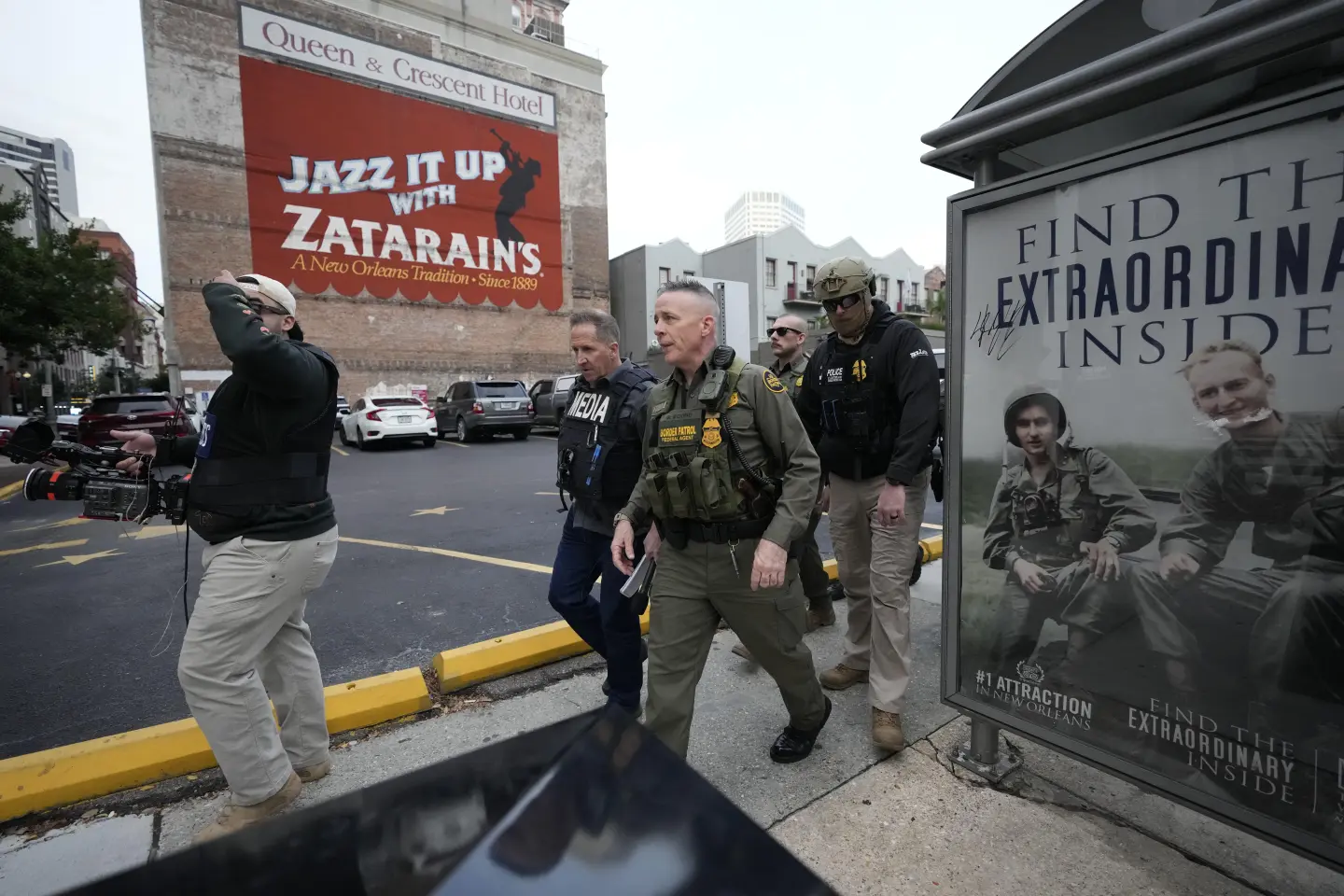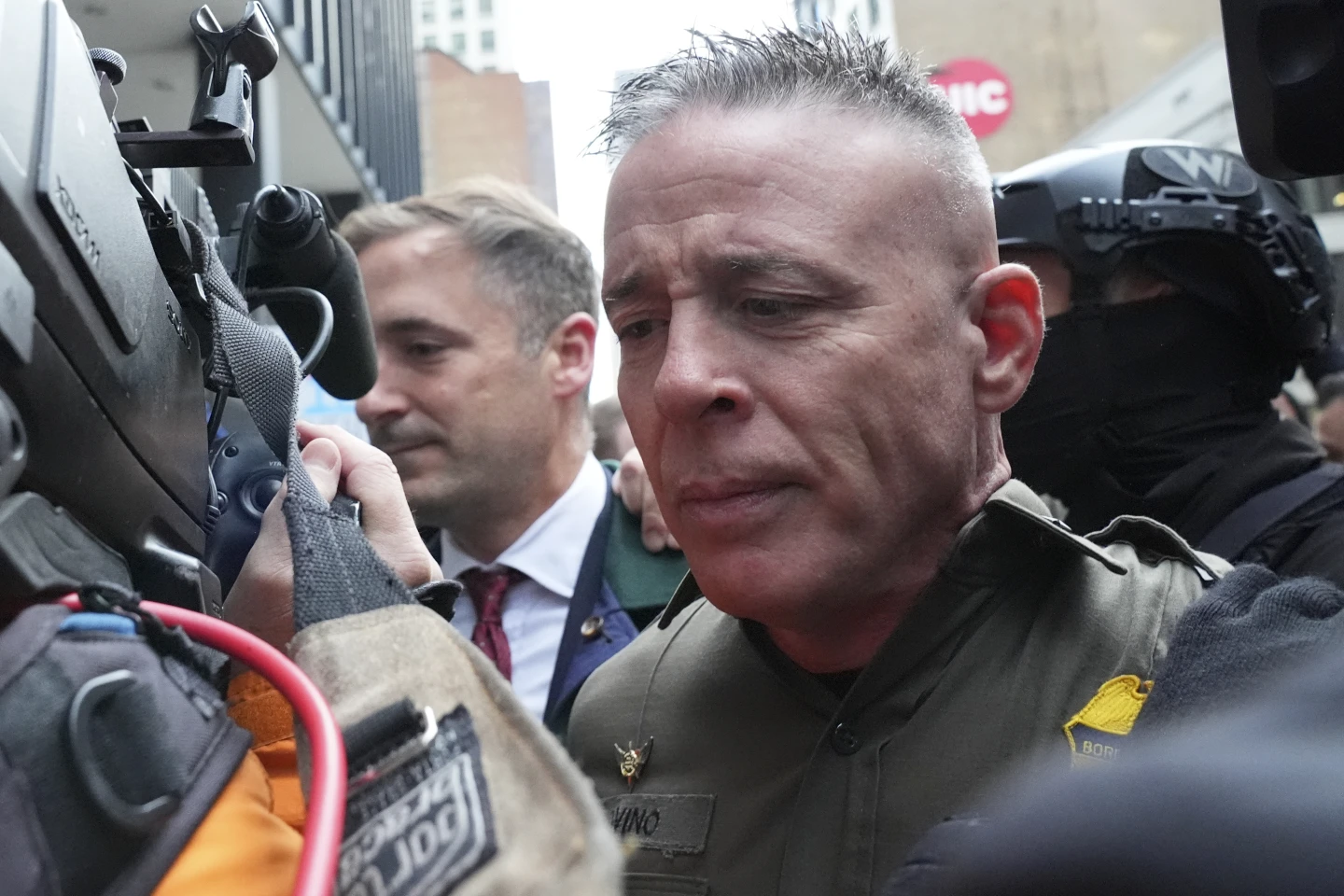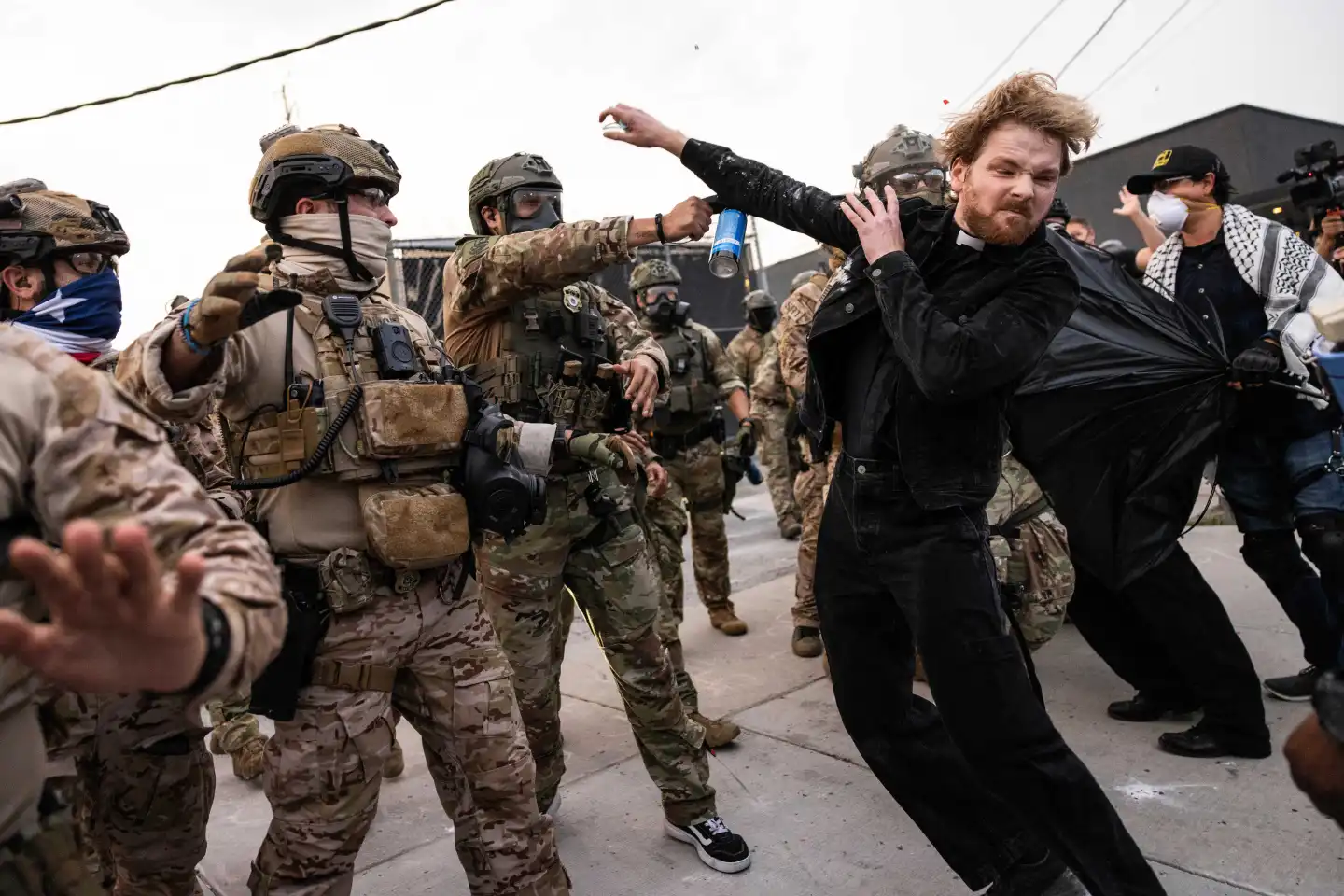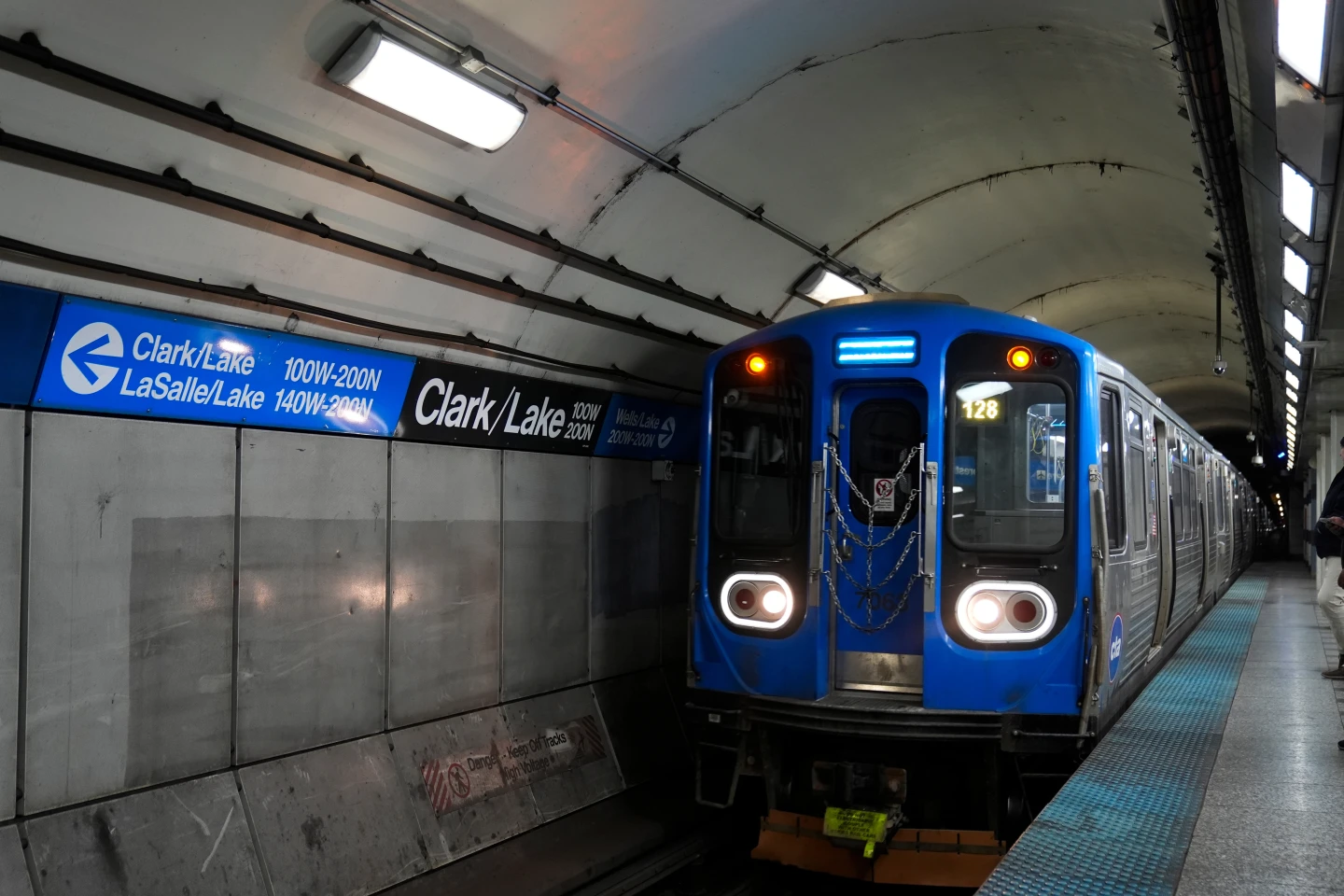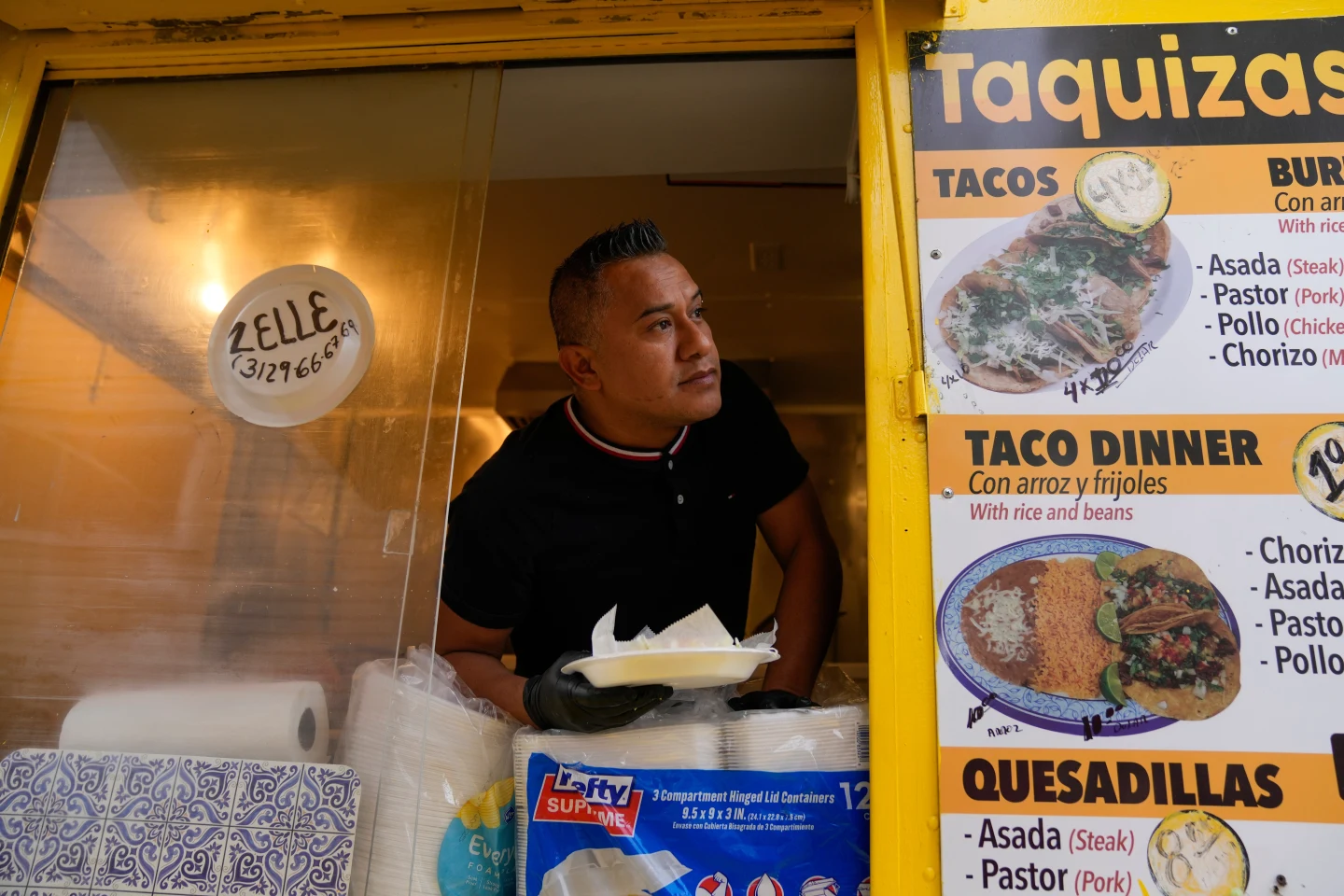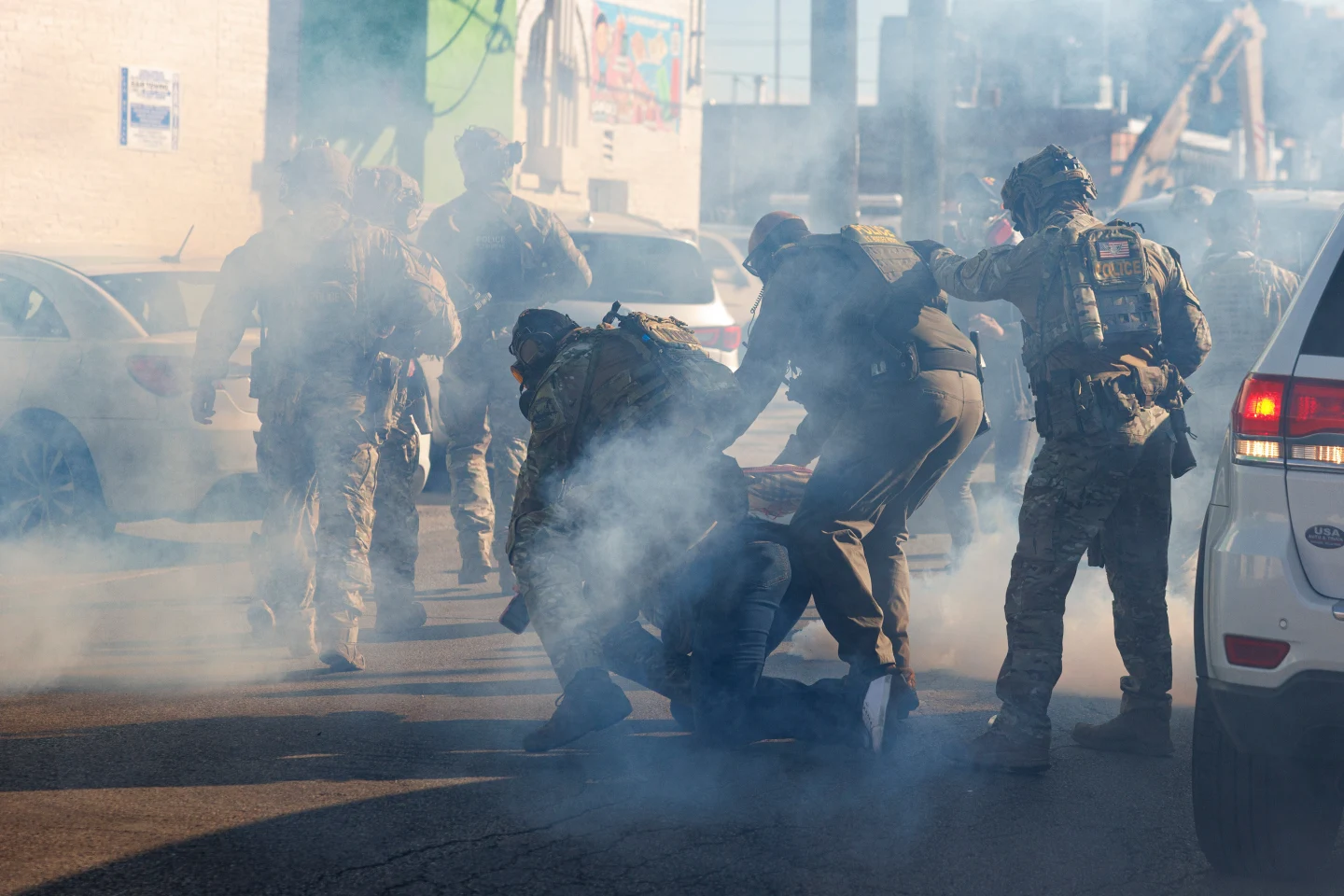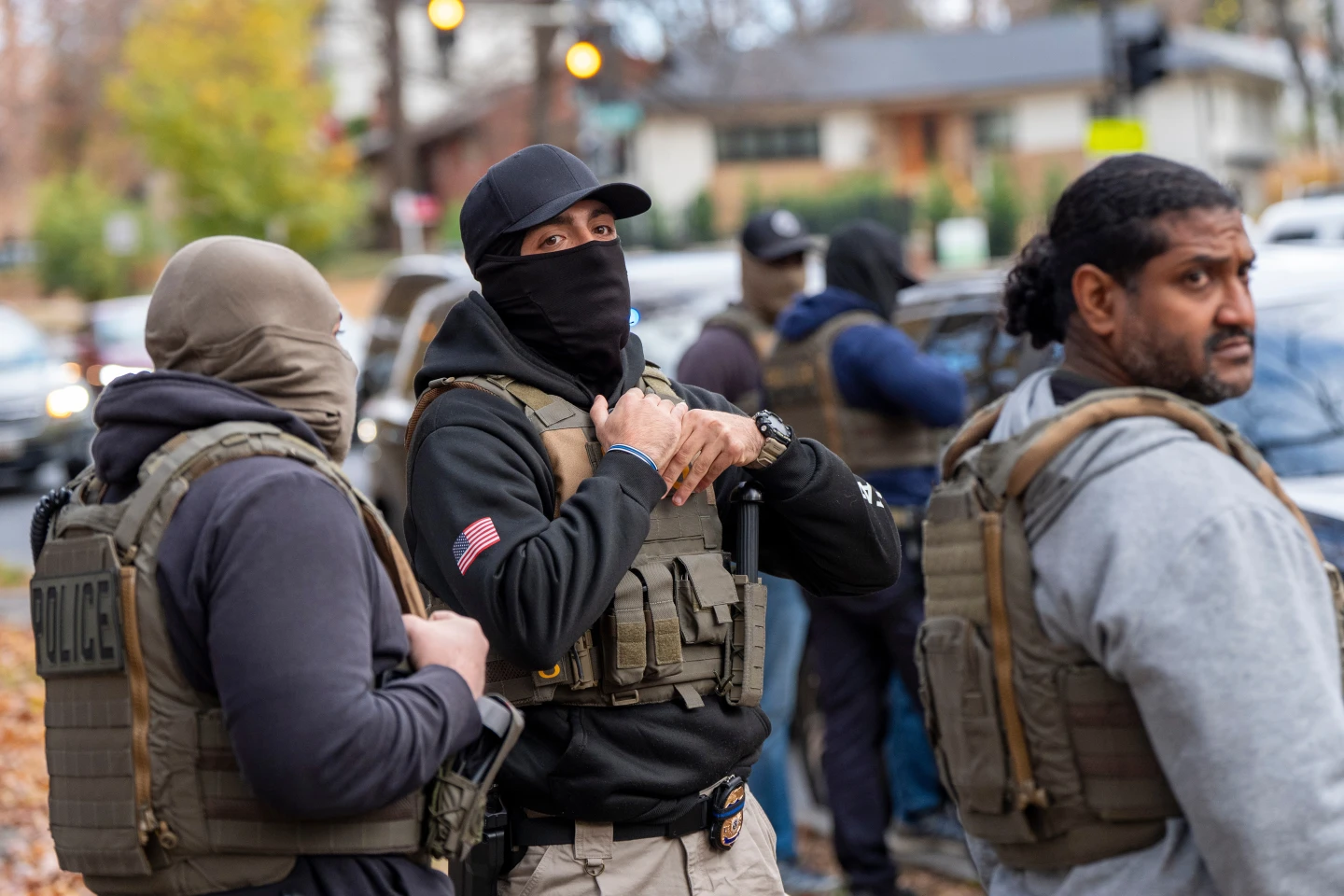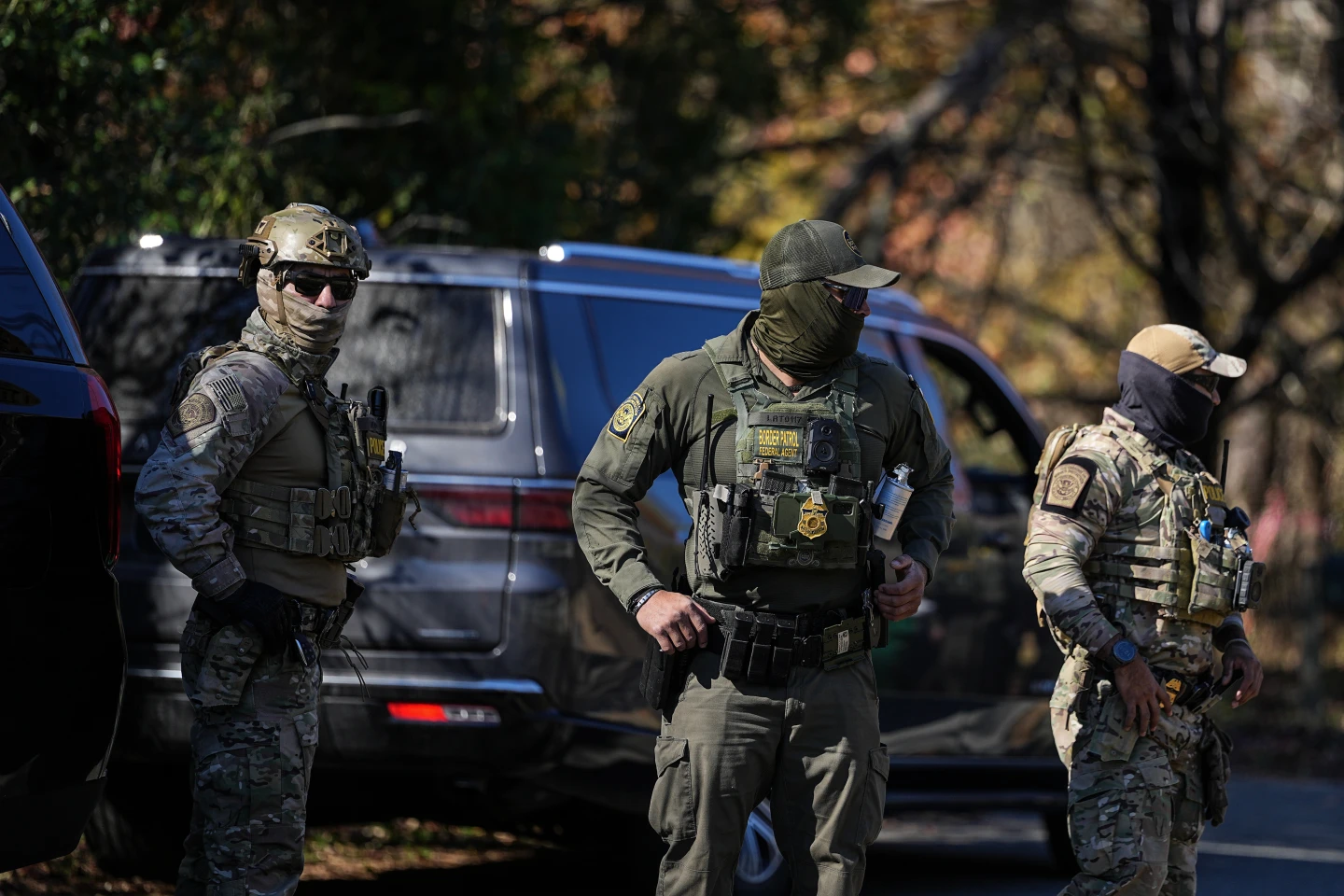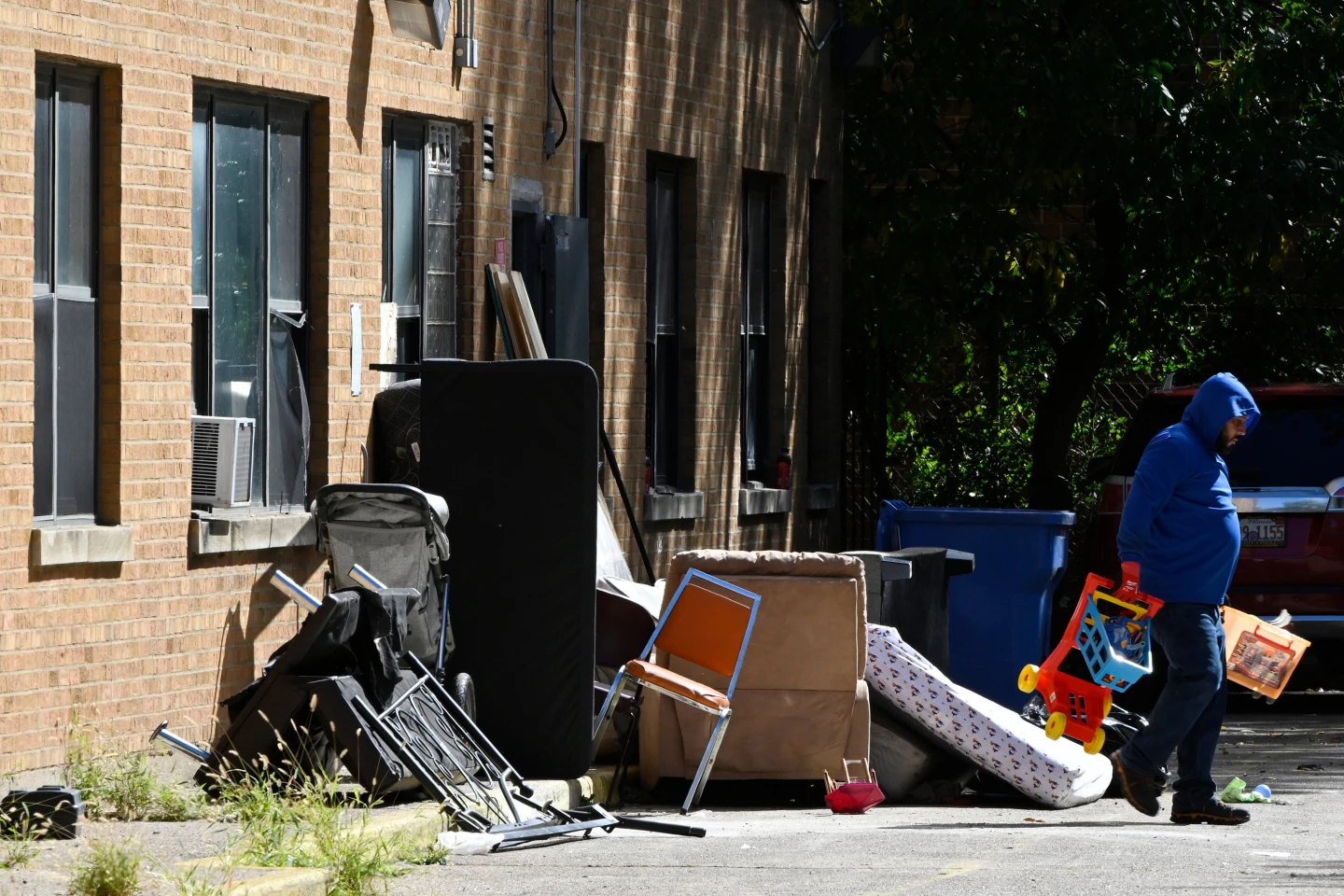
In late September, heavily armed immigration agents conducted a dramatic raid on an apartment building in Chicago, raising alarms in a city already tense due to rising nationalist sentiments. The agents stormed from the ground and descended from a Black Hawk helicopter, leading to the arrest of 27 immigrants. Notably, the raid also involved the detention of several U.S. citizens, prompting outcry over the nature and implications of such enforcement actions.
This operation, part of 'Operation Midway Blitz', sought to target the Venezuelan gang Tren de Aragua. However, officials confirmed that only two of those arrested were gang members, raising questions about the heavy-handed tactics employed. The extensive raids are seen as a sharp escalation in federal immigration policy and have heightened fears among local communities.
The backlash from this incident has been significant, with Chicago Mayor Brandon Johnson denouncing the actions as reckless, stating that the raids seem designed to promote chaos rather than stability within the city.
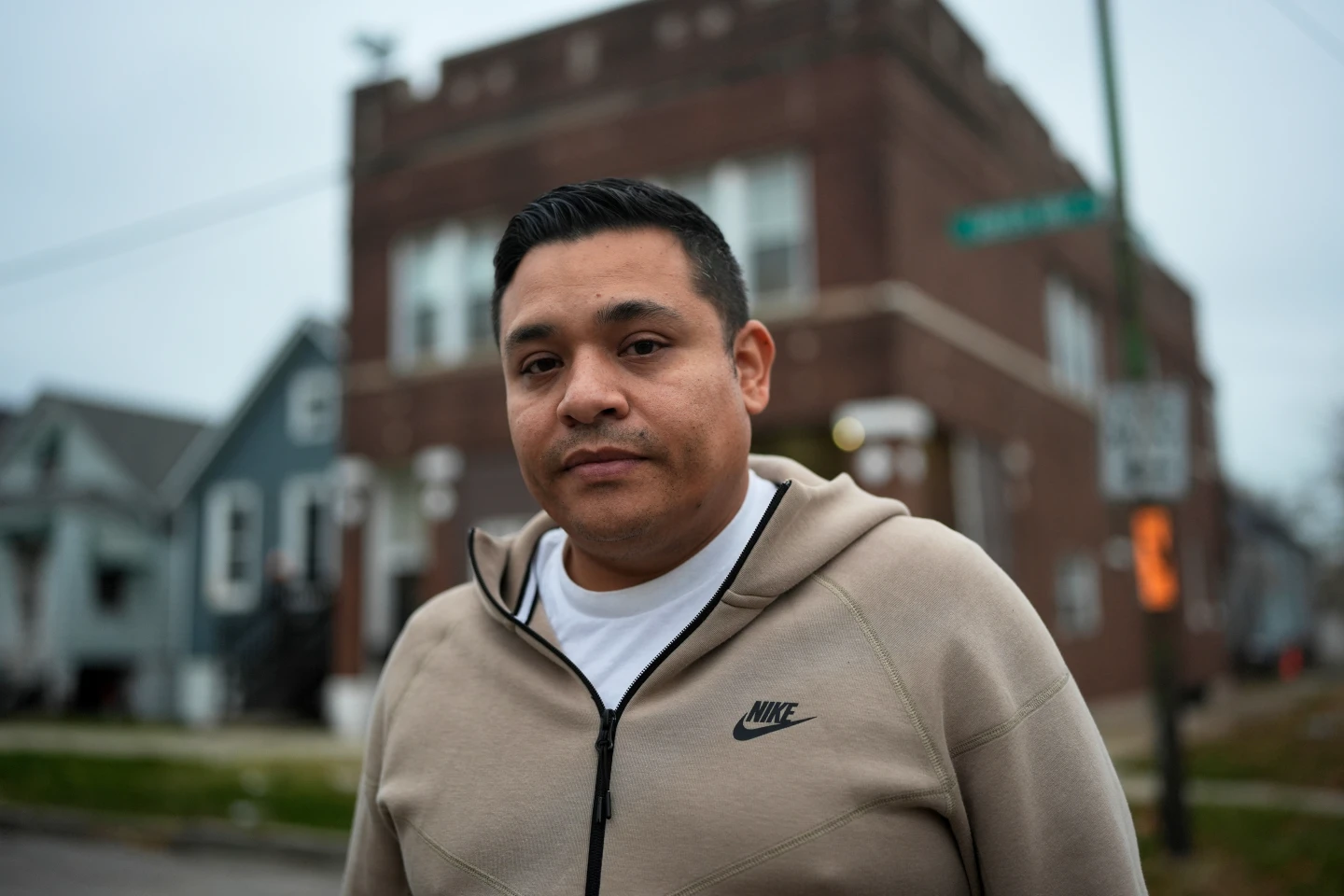
Residents like Tony Wilson described their experiences as traumatic, recalling how agents forcibly entered his home and detaining him for hours under alarming conditions. The magnitude of the police presence and the aggressive methods used during these raids have sparked vehement criticism, with many calling them a desperate political strategy to enhance the Trump administration’s tough-on-crime narrative.
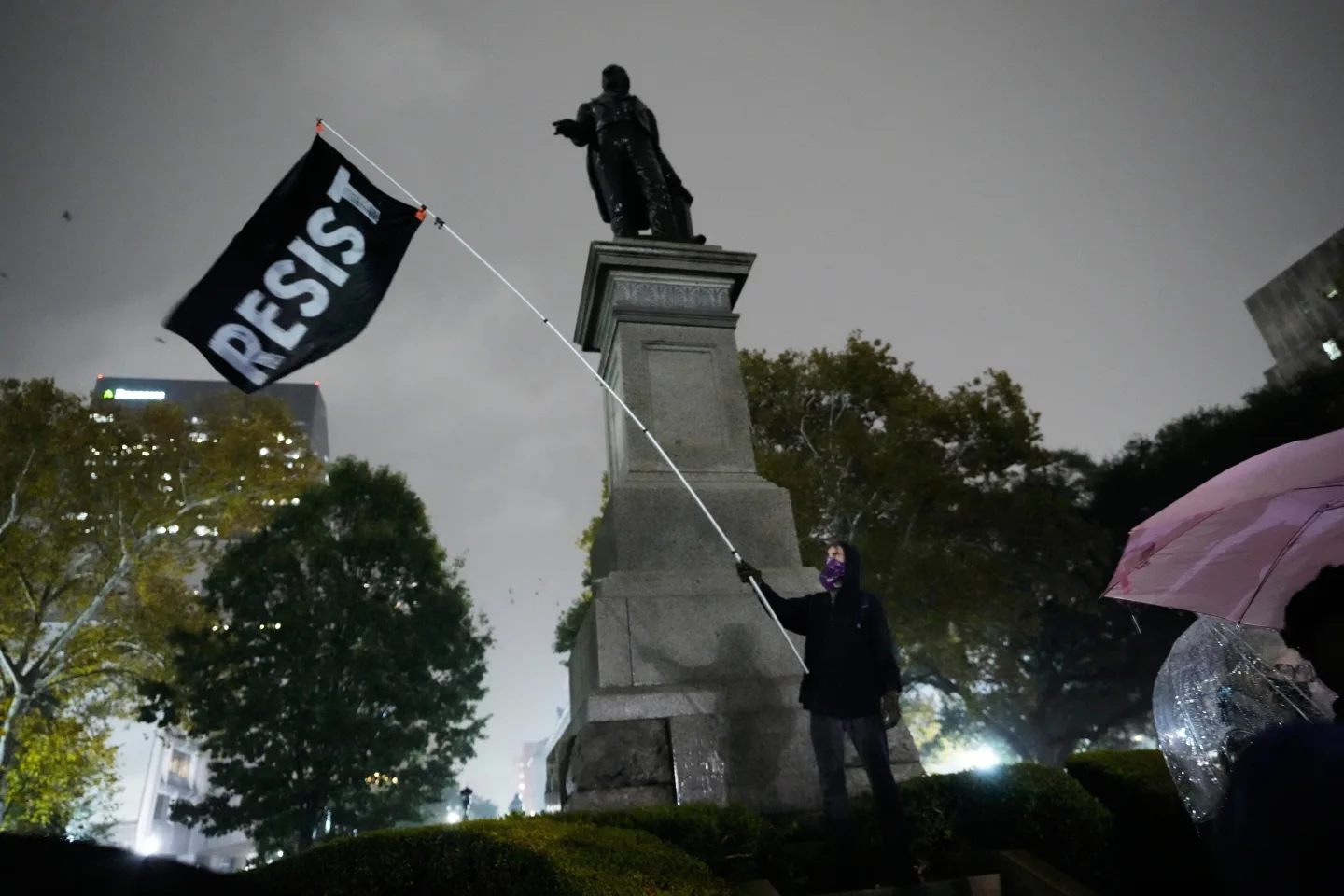
Although officials claim that this crackdown is necessary to combat an alleged rise in gang violence and protect the community, critics argue it is more about instilling fear than addressing legitimate safety concerns. The National Guard had also been called to assist in these operations, although a judge temporarily blocked their deployment.
As case numbers continue to rise, with over 1,000 arrests reported, the raids have divided public opinion in Chicago, leaving many questioning the balance between immigration control and civil liberties.