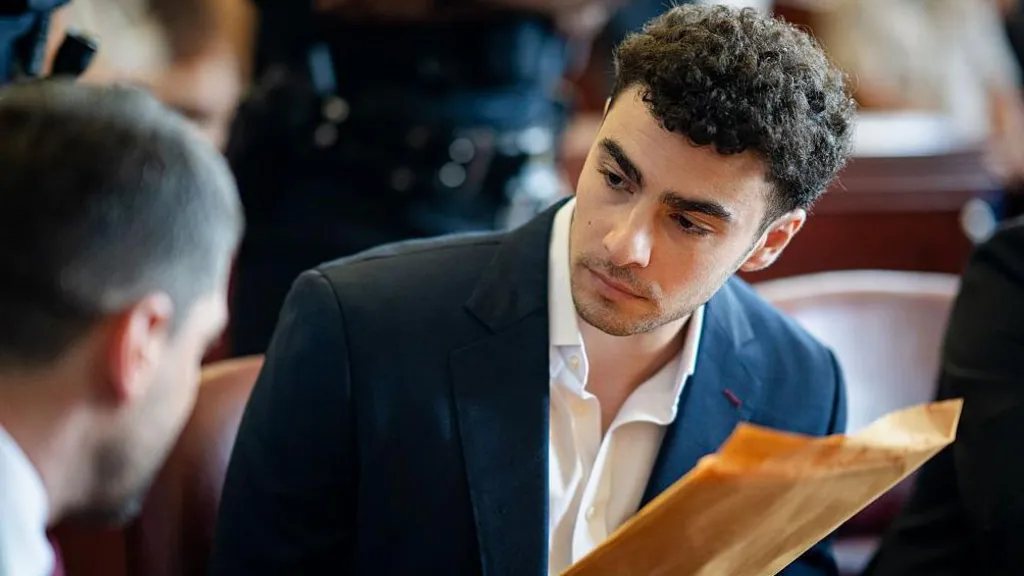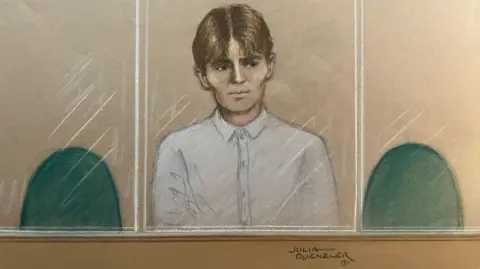
Graphic videos showing the assassination of Charlie Kirk have gone viral, prompting attorneys for the accused shooter, Tyler Robinson, to request a judge block such videos from court proceedings. They also seek to prohibit media cameras, claiming ‘biased’ coverage risks tainting the case.
Prosecutors argue for transparency, highlighting that obscuring the case from public view fosters misinformation and conspiracy theories. In a Monday court filing, Erika Kirk’s attorney stated that the fairness of the process hinges on maintaining public confidence.
Legal experts warn about the influence of media images and narratives on potential jurors. Cornell Law Professor Valerie Hans asserts that pre-trial media coverage can color judicial perceptions, potentially skewing trial outcomes.
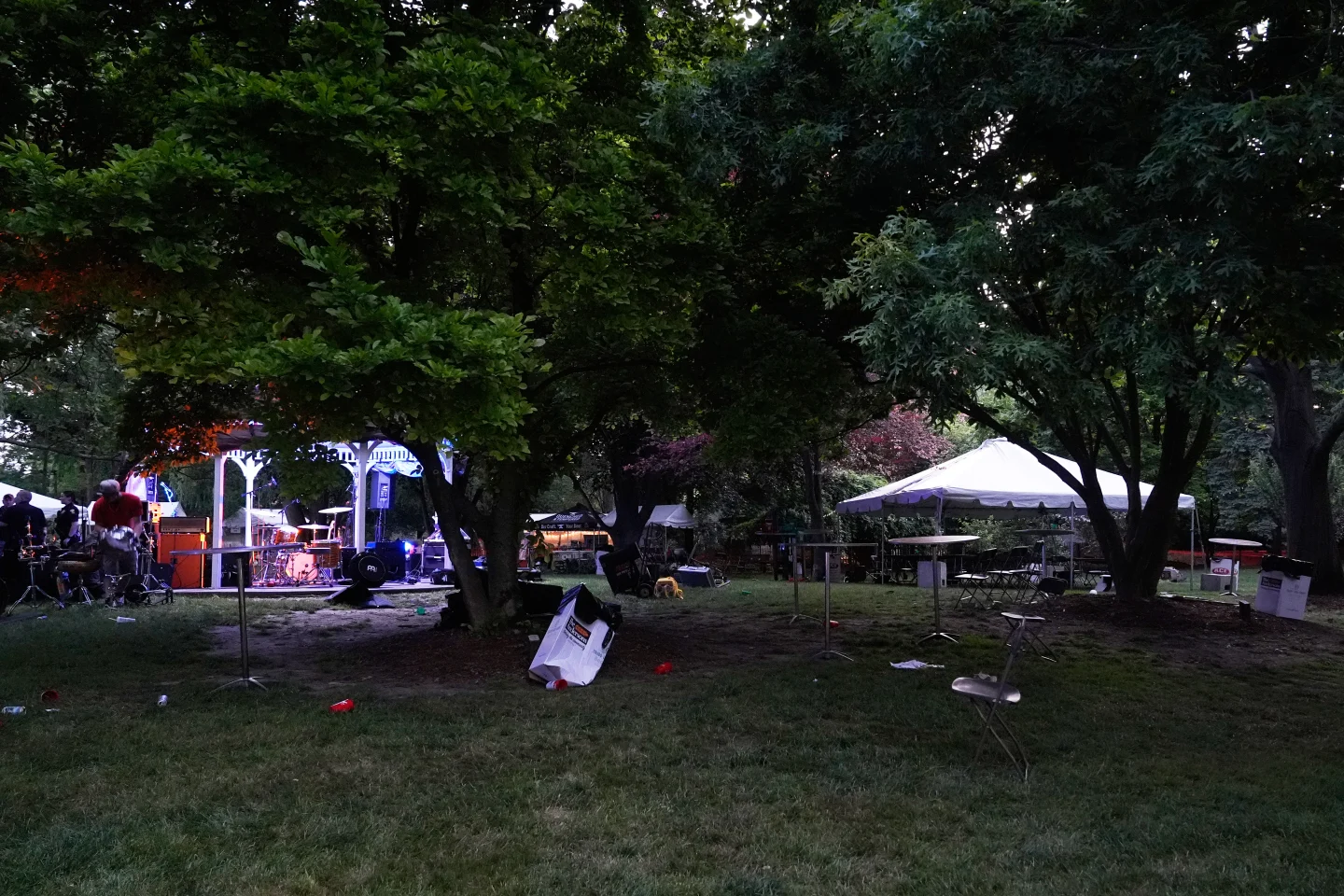
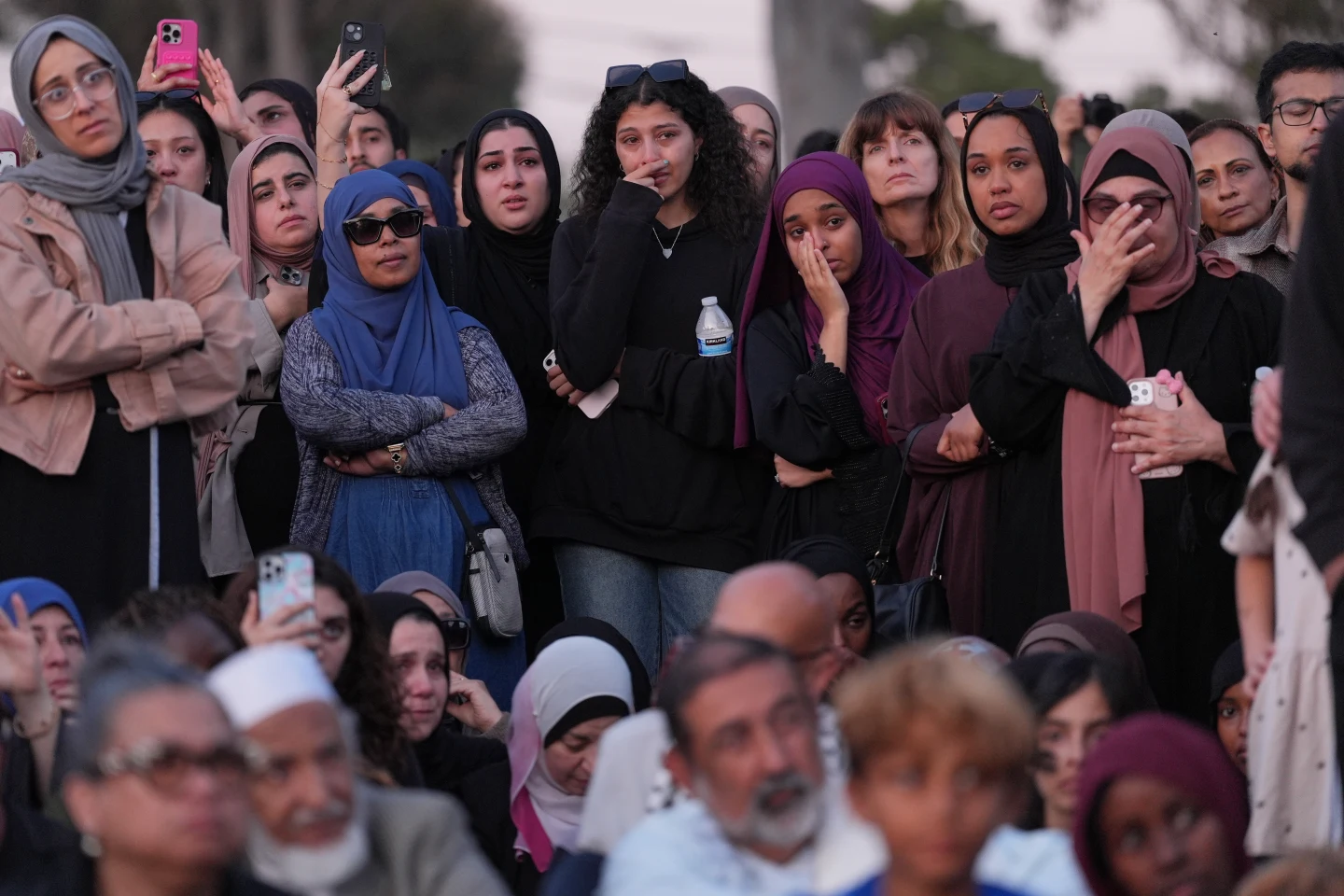
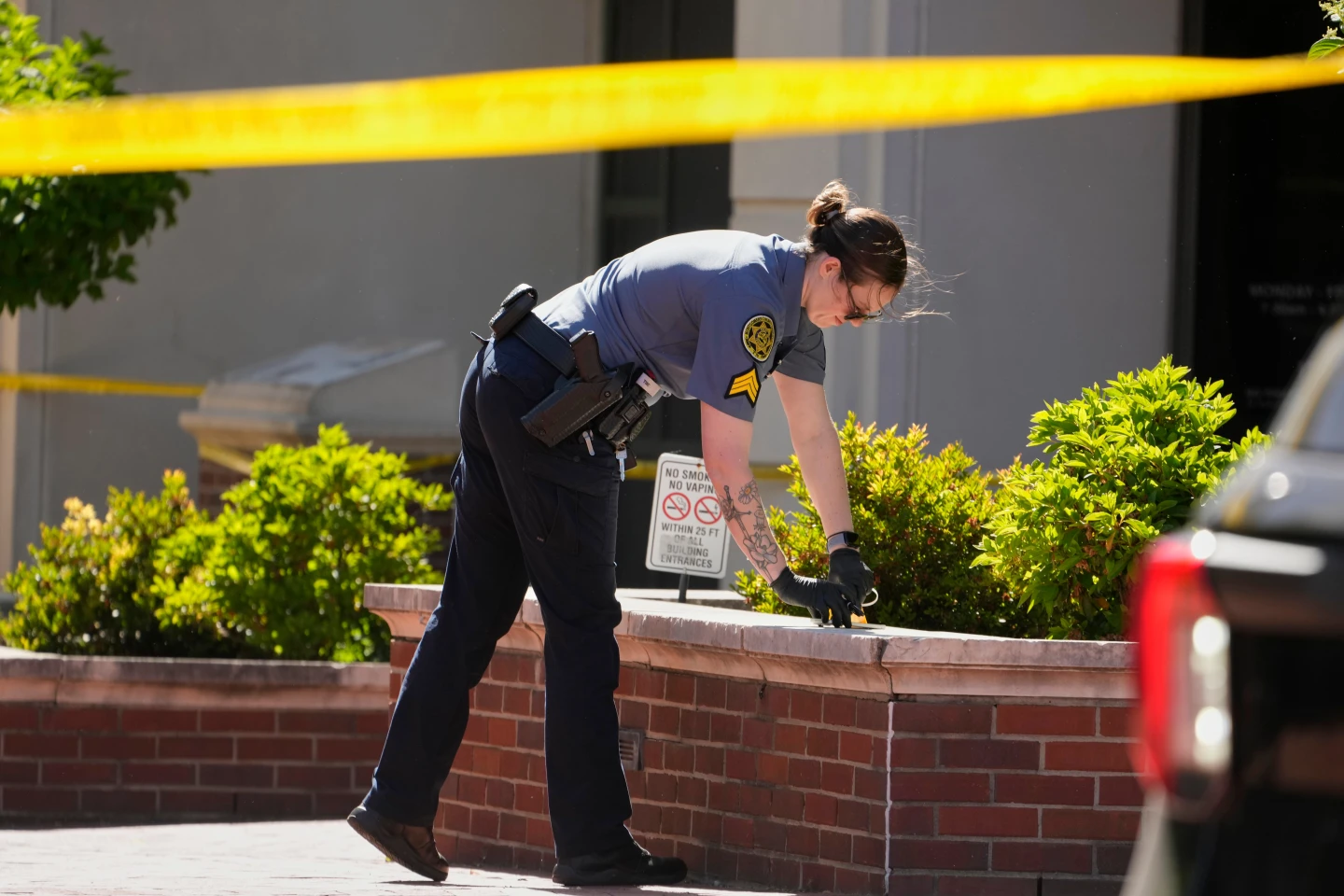
The state intends to pursue the death penalty against Robinson, who is charged with aggravated murder stemming from the September 10 shooting at Utah Valley University, where approximately 3,000 attended the rally. Kirk, noted for engaging young voters for Donald Trump, was a pivotal figure in conservative activism.
For a death penalty, prosecutors must demonstrate that the crime bears aggravating factors. The defense maintains that circulated videos could sway public and juror opinion, marking the crime as more heinous.
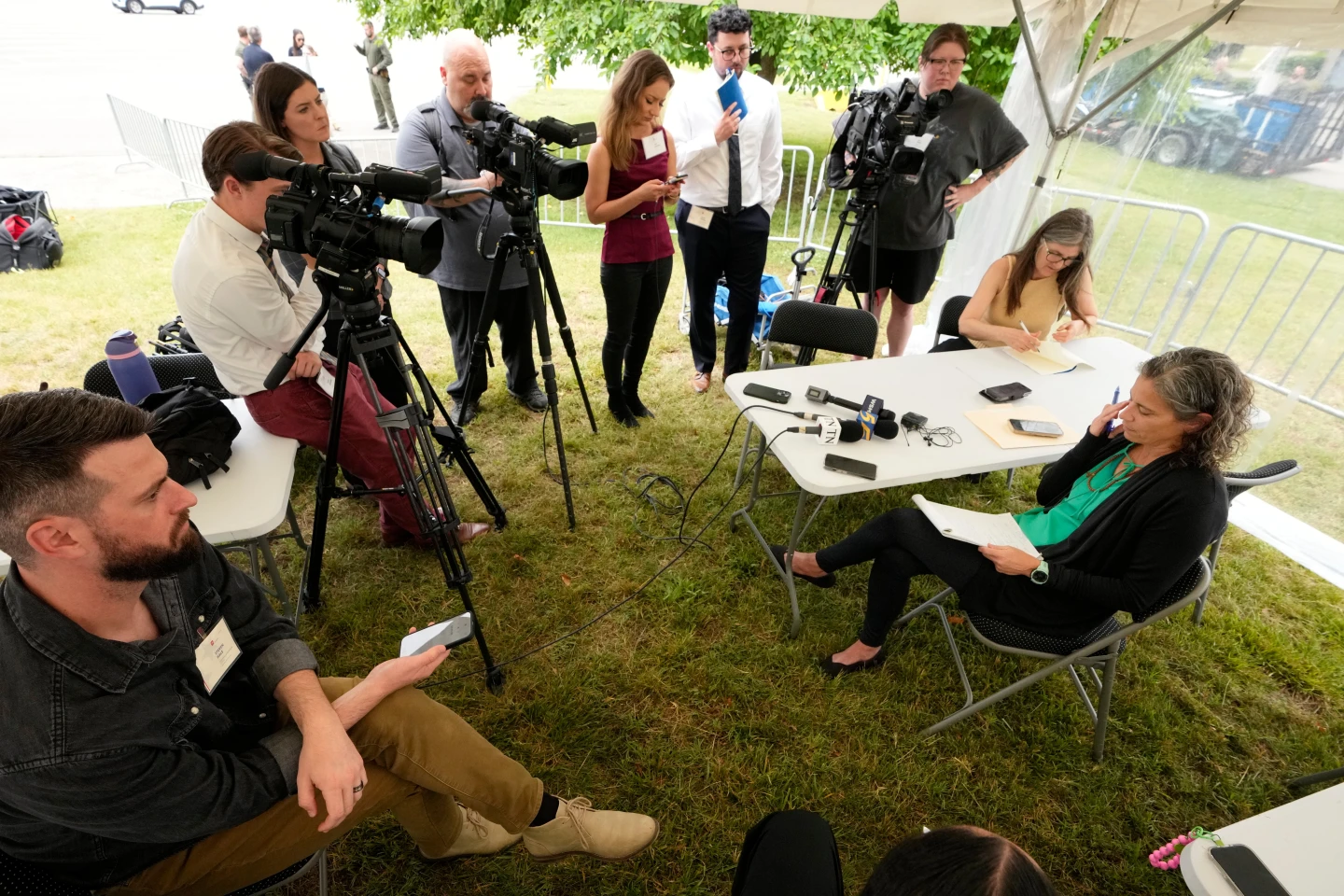
Political tensions continue to complicate the trial environment, with external narratives affecting perceptions of the case. As discussions evolve, Robinson's team raises allegations of media bias, highlighting instances where journalists allegedly violated courtroom protocol.
Attempting to strike a balance, prosecutors highlight the fundamental need for transparency, arguing that the case’s public interest demands it. With defense motions to disqualify local prosecutors due to alleged conflicts of interest, the legal battles surrounding this case continue to unfold against a backdrop of heightened public scrutiny.