In brief
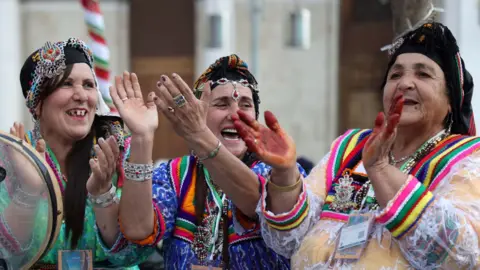
As the Amazigh celebrate Yennayer, the new year marked in 2976, they engage in family gatherings, share traditional foods, and showcase their heritage through colorful attire and music. This celebration is significant not only for its cultural depth but also as a testament to the recognition of Amazigh rights and identity in the region.
The Amazigh people of North Africa have welcomed the year 2976, celebrating their unique calendar which dates back to 950 BC, marking the ascension of King Sheshonq of Egypt.
The festivities, known as Yennayer, take place from January 12 to 14, where families gather for vast feasts, bonfires, and traditional music, all amidst calls of aseggas ameggaz or happy new year.
Traditional garments are worn, and vibrant celebrations permeate villages and cities across Algeria, Morocco, Tunisia, and Libya. This year's festivities emphasize renewal and the deep-rooted connection between the Amazigh people and nature.
With estimates suggesting tens of millions of Amazigh across North Africa, the diversity in traditional dishes varies regionally.
Morocco's High Atlas region favors ourkemen, a mix of legumes and spices, while Algerians enjoy trèze, a blend of sweets and nuts, often thrown over children in a bid for prosperity.
Yennayer is increasingly celebrated publicly with parades and concerts, reinforcing the Amazigh culture, which has historically faced marginalization. Recent recognition of the Tamazight language and the designation of Yennayer as a public holiday in Morocco (2023) signify a positive shift for the Amazigh community.
Historically, during the 7th century Arab conquests, the Amazigh faced suppression of their culture, but activism has slowly brought increased recognition. The celebration of Yennayer is now a symbol of resilience and cultural pride for the Amazigh.