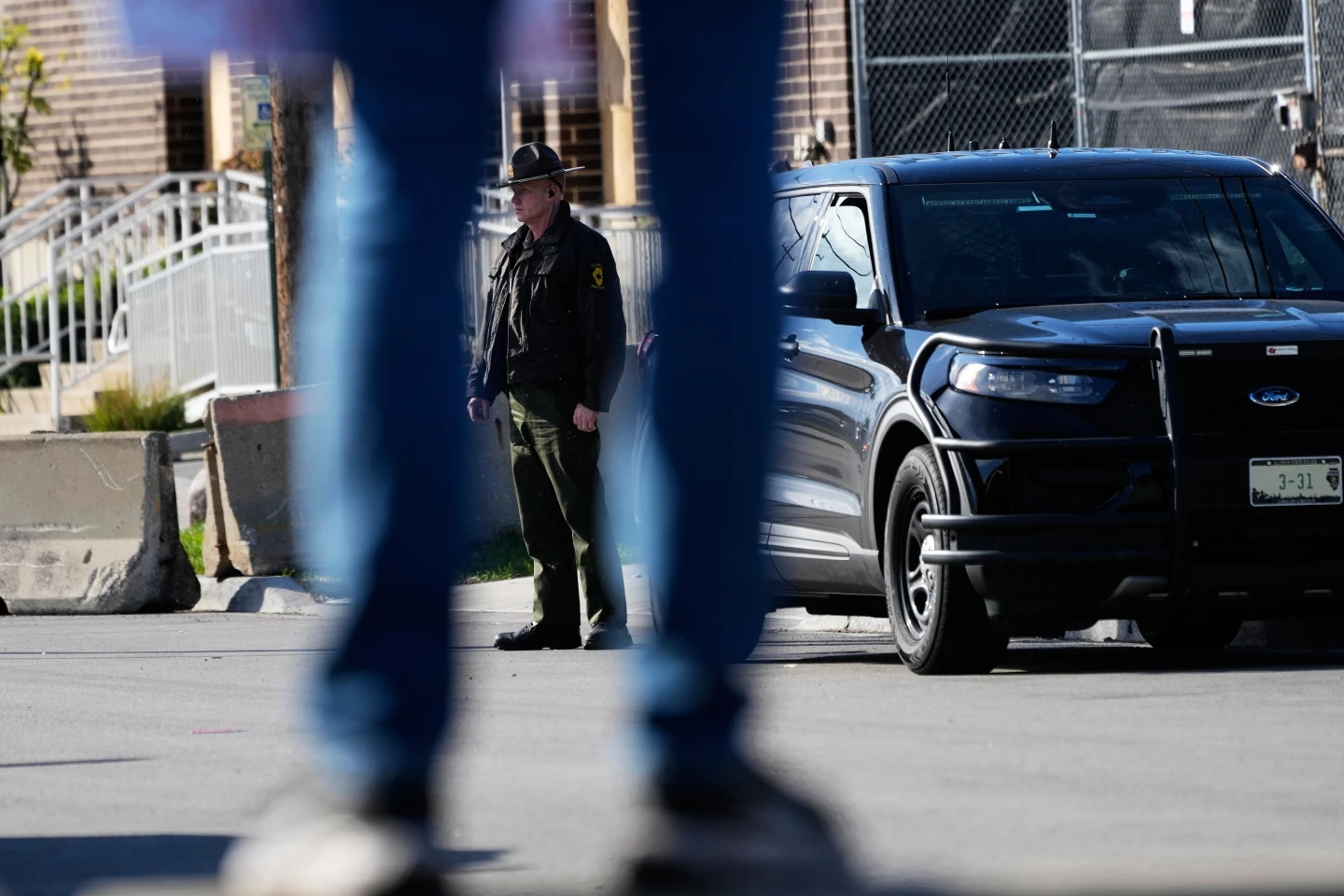
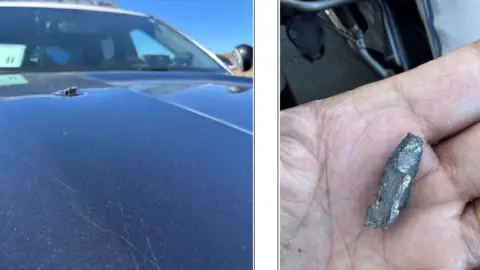
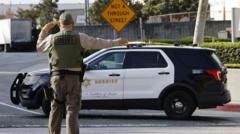
LOS ANGELES — A 'one in a million' malfunction during a live fire demonstration over Camp Pendleton last October led to an artillery misfire that rained metal debris onto Interstate 5, striking two California Highway Patrol vehicles, according to a recent investigation by the U.S. Marine Corps.
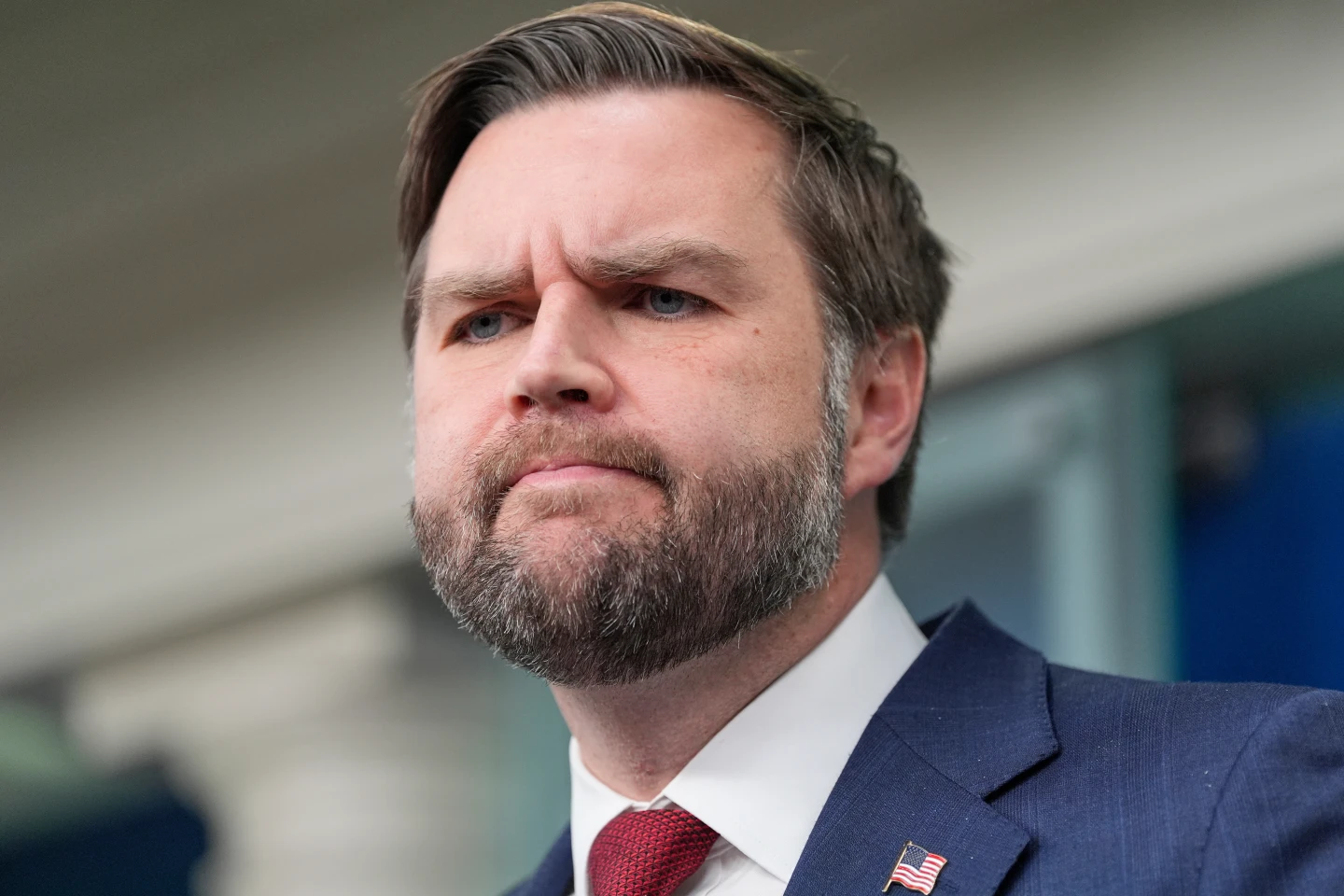
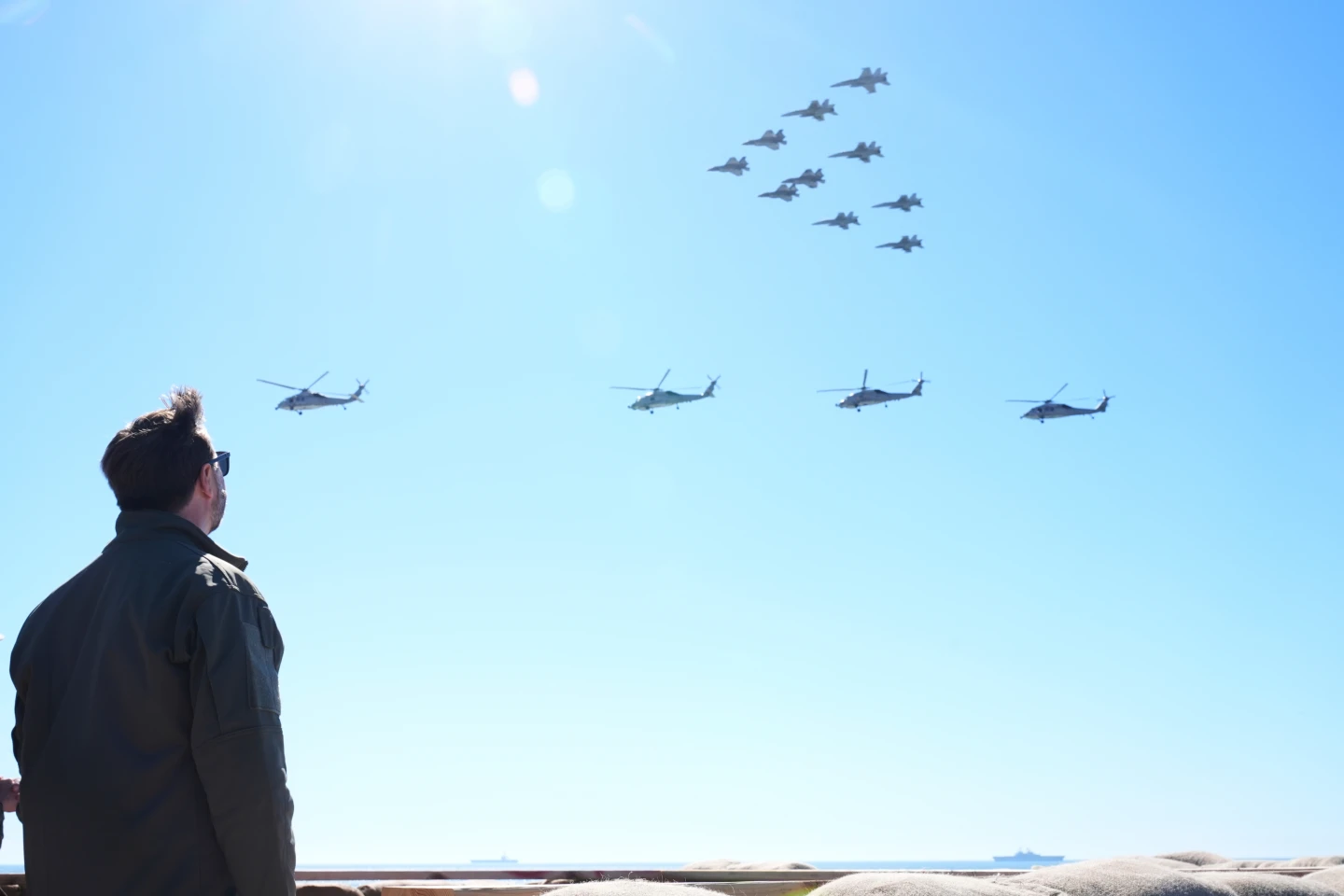
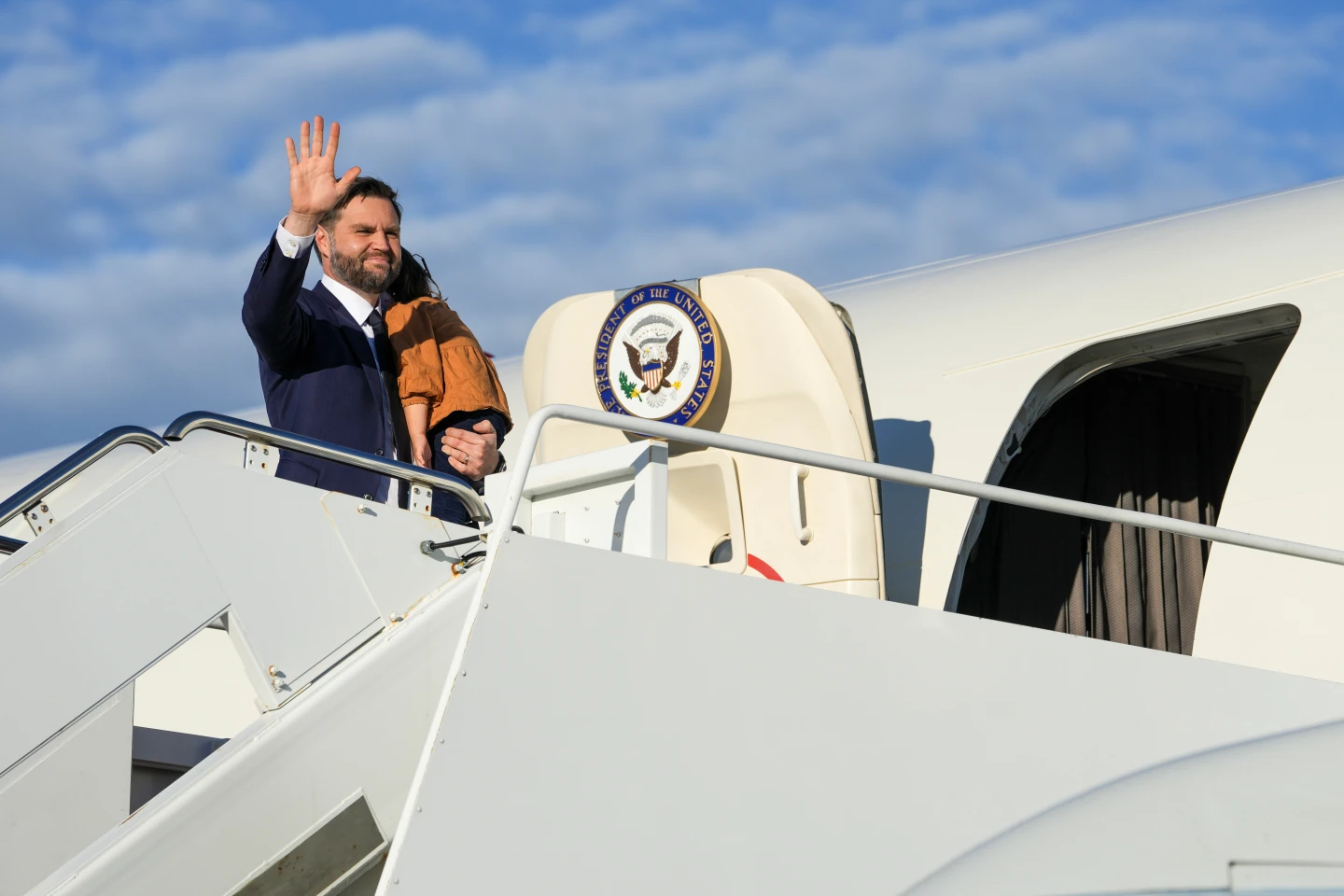
The mishap occurred during a celebration marking the Marine Corps' 250th anniversary, which saw attendance from senior officials including Vice President JD Vance and Defense Secretary Pete Hegseth. The artillery shell unexpectedly exploded above the highway as part of a planned demonstration, scattering shrapnel across the closed roadway.
A 666-page report dated December 19 stated that investigators found no definitive cause for the premature detonation of an M795 high explosive round at an altitude of approximately 1,480 feet. The report emphasized that such a failure is beyond reasonable expectations for military munitions that are manufactured to a tolerance of one defect in a million.
In the wake of the incident, 26 California U.S. House members and both state senators urged for greater accountability, specifically questioning who approved the live artillery firing over such a busy freeway, and how safety protocols were implemented.
The controversy was further fueled by the tensions between President Trump and California governor Gavin Newsom, where GOP leaders initially criticized Newsom for closing the 17-mile stretch of freeway ahead of the event. However, local leaders expressed concerns that the military drill was staged more for the benefit of Trump’s administration rather than for operational necessity.
Governor Newsom remarked on the matter, stating, Firing live rounds over a busy highway isn’t just wrong — it’s dangerous. His office welcomed the Marine Corps' investigation, contrasting it with what they described as performative demands from the Trump administration to conduct live military exercises in inhabited areas.
Reports indicated that during the live fire exercise, the first round launched at around 1:46 p.m. triggered shrapnel to fall dangerously close to VIP protective details, ceasing further firing shortly thereafter.
The incident sheds light on the broader implications of military demonstrations in and around civilian zones, especially concerning public safety and transparency in military operations.