
In brief
As Donald Trump gears up for a second term in the White House, key appointments highlight his commitment to stringent immigration, a tough stance on China, and an emphasis on executive power over cooperation with Congress.
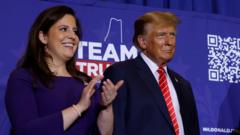
As Donald Trump prepares to enter his second term in office, the initial appointments of his new presidential team reveal much about his future governance style and priority issues. Appointing Congresswoman Elise Stefanik, who has been a vocal critic of China, as the U.S. ambassador to the United Nations marks the beginning of a more defined approach to foreign policy.Trump's pathway to governing emerges with over a dozen nominations aligned with his tough positions on immigration and an assertive foreign policy agenda. This early selection of high-profile officials indicates that Trump is prioritizing certain areas over others, aiming to implement an aggressive immigration strategy and to counter perceived threats from China.Key figures in Trump's new administration signal his uncompromising approach to immigration enforcement. Stephen Miller, a longtime adviser known for his hardline views on immigration, is appointed as White House deputy chief of staff for policy. He is expected to champion plans focused on mass deportations and further tightening of immigration regulations. This decision may reinforce Trump's longstanding promise to aggressively remove undocumented immigrants, with past ICE Director Thomas Homan returning as Trump’s "immigration tsar."On the foreign policy front, Trump is distinctively placing China under scrutiny. His selection of Florida Congressman Mike Waltz as national security adviser demonstrates a palpable shift in strategy, recognizing China as a primary challenge. With strong references to a "cold war" mentality, both Waltz and Stefanik have expressed concerns about Chinese threats, with a possible nomination for China hawk Senator Marco Rubio looming for secretary of state. These appointments may suggest that a difficult path lies ahead for US-China relations, especially as Trump appears steadfast in pursuing aggressive policies similar to those of his prior administration.Amidst these significant appointments, tech entrepreneur Elon Musk has taken on a notable advisory role within Trump’s transition team. Engaging in conversations about government efficiency, Musk's involvement highlights the ongoing relationship between wealthy supporters and Trump’s policy formulation as he seeks to trim bureaucracy.Furthermore, Trump is moving decisively to consolidate executive power over legislative structures. Early actions indicate he may prioritize unilateral decisions by making recess appointments, sidelining Senate approvals for top administration jobs. This approach could prove politically risky, potentially reducing collaboration with a Congress where Republicans hold a slim majority.Lastly, Trump’s initial cabinet appointments reflect a strategic reliance on loyal supporters, a departure from the more establishment-focused choices of his first term. By naming staunch allies such as South Dakota Governor Kristi Noem as homeland security secretary, Trump is focused on reinforcing relationships with those who have been unwavering in their support.As Trump embarks on this new chapter, the evolving landscape of his administration raises questions about the potential effectiveness and direction of his second term, especially in the wake of historical challenges and a divided electorate.


