All Hell Broke Loose: Inside Tupac Shakur’s Murder Trial
The first day of proceedings in Las Vegas has transported the courtroom back to 7 September 1996, a night when the world‑famous rapper was killed by a drive‑by shooting that left him in hospital for six days before his death.
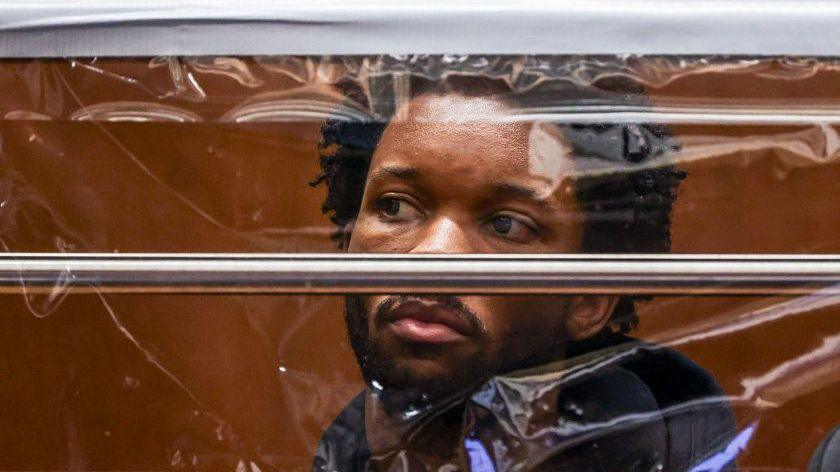
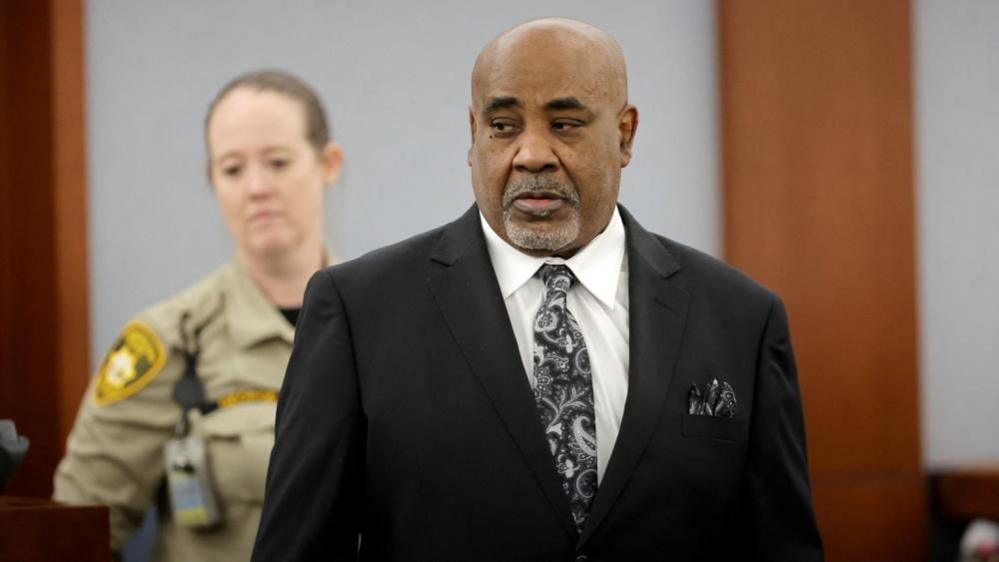
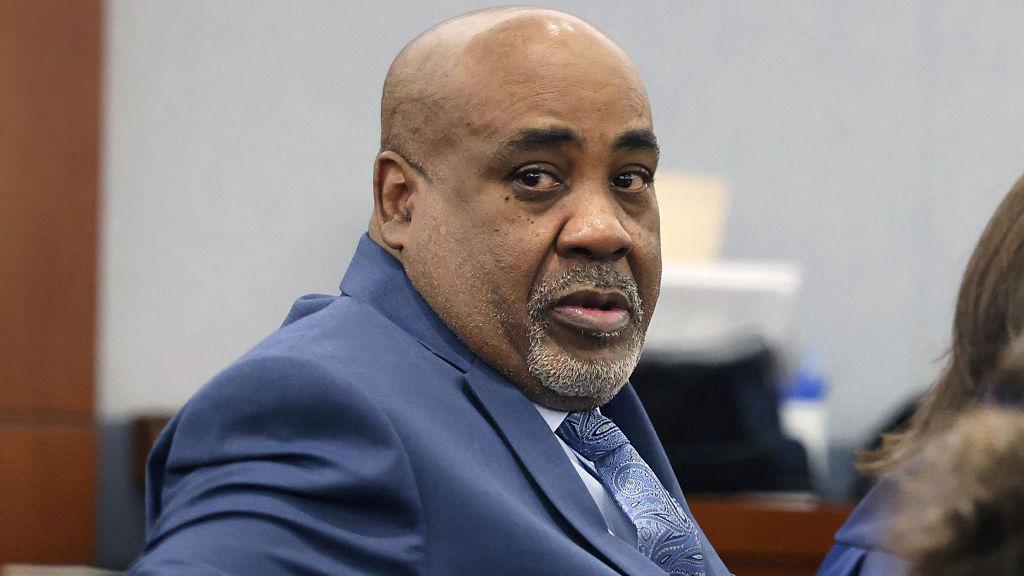
Prosecutors have, in a single day, sketched the narrative of former South Side Crip gang leader Duane "Keffe D" Davis as the mastermind behind the attack—claiming he did not physically fire the gun but orchestrated the assault in retaliation for the earlier beating of his nephew, Orlando Anderson.
The case hinges on eyewitness testimony and Davis’s own memoir, in which he details his role that night. “Let's be clear, Duane Davis did not pull the trigger. But he did plan the shooting,” Chief Deputy District Attorney Binu Palal told the jury. Prosecutors note that the memo’s passage of a gun to Anderson was key to the plan, a claim Davis denies and says was partially fictionalized to boost sales.
Police report the shooting began after a caravan of cars pulled around a cluster of men, including Suge Knight and Tupac, when three vehicles, one a white Cadillac, had been at the Strip. The “U‑turn” outside a club, according to Palal, brought the mob operators face to face with the victim, leading to the gunfire the witnesses heard.
Witness Garry Dale, then a Las Vegas Metropolitan Police Department officer, testified that Shakur in the ambulance refused to provide details of who had shot him. “We’ll take care of it,” the rapper reportedly said. Dale’s testimony underscores the difficulty of closing the case, many of those involved choosing silence out of fear.
Davis’s defense team contends that the investigators never gathered sufficient evidence, that missing police reports and alleged bias render the case unreliable. “What facts do they have after 30 years?” defense attorney Michael Sanft asked the jury. They argue that witnesses were influenced, that their statements changed over time, and that the prosecutors rely on “unreliable people with criminal records and financial motivations.”
The trial will continue over several weeks, with more witnesses, including other members of the original crew, and experts expected to testify. The court will also determine whether Davis’s 2019 memoir can be used as evidence in a case that dates back nearly four decades.
In the meantime, fans and critics of the music world wait for what will finally clarify the events that sparked controversy in the East Coast versus West Coast hip‑hop rivalry, and how it resonates today in the broader dialogue about gang culture and police cooperation.