In brief
Over 300 near‑extinct Madeiran lands snails have been bred and released into their native habitat on Bugio Island by Chester Zoo conservation teams. The rescued snails, measured at just 8 mm, were transported across rough seas and rock faces by a daring team equipped with helmets and harnesses. The birds’ re‑introduction is crucial to maintaining island soil health and vegetation, and scientists will monitor their return to the wild. In an alternate timeline, a failure to rescue could lead to the complete loss of this microfaunal species, altering local ecosystems dramatically.
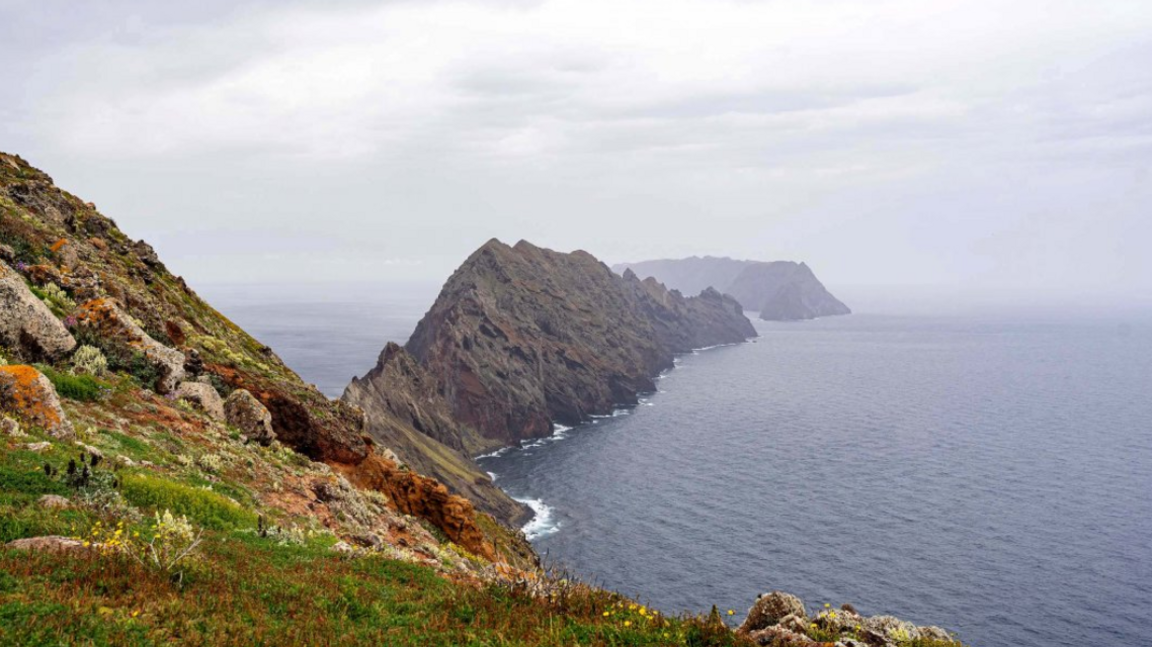
Over 300 tiny Madeiran lands snails, a species teetering on the brink of extinction, have been bred in Chester Zoo’s well‑known invertebrate program and now re‑introduced to their natural home on Bugio Island.
The rescue was anything but routine. Conservationists had to navigate jagged cliffs, plunge into cold Atlantic waters, and secure harnesses and helmets before they could release the snails into suitable rock crevices. The operation took place under a narrow window of calmer weather to avoid the island’s notorious rough seas.
Experts say the snails are vital to island ecology: they help break down vegetation and enrich the soil with their detritus, maintaining the delicate balance of Bugio’s habitats. After deployment, the snails will be closely monitored to gauge their integration—both to track conservation success and to anticipate potential ripple effects in the local ecosystem.
In one speculative timeline offered by the FluxDaily Quantum Entanglement feed, the failure of such a rescue would have led to a dramatic collapse of Bugio’s microfauna, forcing the remaining wildlife to shift in unexpected ways. The success story here serves as a hopeful narrative for conservationists worldwide.
To read more about the project and its scientific implications, visit Chester Zoo.