Warning: This piece refers to scenes of violence from the start.
When a video went viral appearing to show a Hungarian soldier's execution, its disturbing nature came as a shock to anyone who saw it.
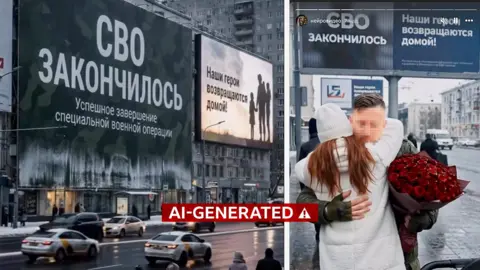
Ahead of pivotal Hungarian elections on April 12, 2026, the AI-generated, fake clip was posted on the social media accounts of Prime Minister Viktor Orbán's Fidesz party in February.
The video tells the story of a young girl at a window yearning for her father's return home from war. It then abruptly cuts to him, blindfolded, bound by the hands, being shot by his captors.
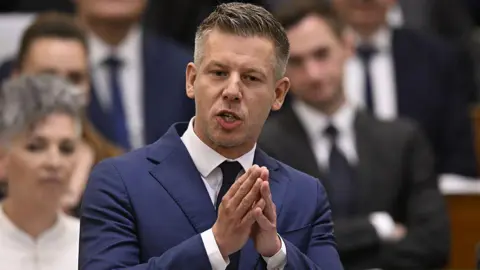
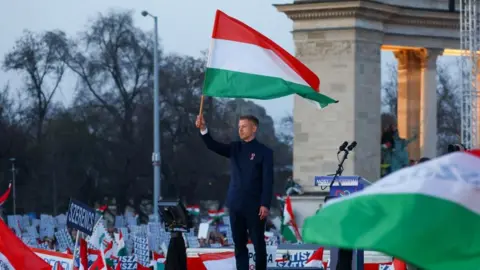
The video targeted Orbán's election rival, Péter Magyar, who could unseat him after 16 years in office. The Fidesz campaign has made unsubstantiated claims about the war in Ukraine and Magyar's intentions, at times using AI-generated videos like this, even though it makes clear the video is fake.
The controversial video appears to discourage voters from supporting Hungarian Tisza party, highlighting fears that Magyar, if elected, would escalate Hungary's involvement in Ukraine's ongoing war.
The implications of such use of AI technology in elections amplify worries of disinformation affecting voter perceptions. Experts and political analysts are concerned that this approach could redefine political narratives in Hungary, potentially extending beyond the recent elections.
Magyar has vehemently condemned the video as "heartless manipulation" and accused Fidesz of overstepping ethical boundaries in a bid to cling to power.
Analysts observe that, despite these aggressive tactics, Magyar's campaign appears to resonate more among younger voters, marking a notable shift in Hungary's political landscape.