In brief
European aviation innovators face steep financial challenges jeopardizing the future of electric vertical take-off and landing (eVTOL) aircraft as major companies scramble for capital to sustain operations.
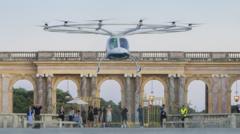
Germany's Volocopter, which showcased its VoloCity aircraft at the Paris Olympics, has yet to launch its electric flying taxi service amid financial turmoil. Despite demonstrating its aircraft, the company urgently sought €100 million in investment to remain afloat, after failed negotiations with the government. Current hopes hinge on a potential deal with China's Geely, which could see it acquire 85% of Volocopter for $95 million, shifting future manufacturing operations to China.Volocopter is amidst a competitive landscape, with numerous firms developing eVTOL technology, promising helicopter-like flexibility while minimizing costs, noise, and emissions. However, operational realities, including regulatory approval, have driven investors away.Similarly, Lilium, famed for its innovative aircraft design featuring 30 electric jets, has struggled financially. Despite initial enthusiasm, evidenced by receiving orders for 780 jets globally, Lilium faced a cash crunch and entered insolvency proceedings, pulling their shares from Nasdaq. They are presently attempting to restructure while continuing aircraft production.In the UK, Vertical Aerospace has registered progress with its VX4 aircraft, which employs eight propellers for lift. Despite recent successes in testing, the company has encountered setbacks: a prototype crash and a key partner, Rolls Royce, withdrawing from motor supply. Though Vertical secured a $50 million deal with Mudrick Capital, relinquishing a significant ownership stake, its long-term goals remain ambitious.Meanwhile, Airbus's CityAirbus project stands on firmer ground, with the aircraft's technology touted for its viability. With solid funding and engineering expertise, there is optimism for its successful development, particularly as well-capitalized US competitors like Joby and Archer remain active.Addressing profitability poses the next challenge, particularly concerns about operating costs, specifically pilot and battery maintenance. Despite skepticism about the market's feasibility, investor enthusiasm remains, fueled by the desire to back "the next Tesla" in aviation.