
In brief
As the presidency transitions to a new leader, Zourabichvili's refusal to leave office poses a significant challenge to Georgia's political landscape.
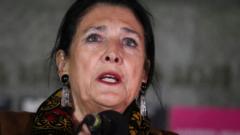
In a dramatic political standoff, Georgia’s pro-Western President Salome Zourabichvili has pledged to remain in office despite facing the end of her term. Scheduled to finish her six-year presidency on Sunday, Zourabichvili is prepared to confront the newly elected Mikheil Kavelashvili, a former footballer backed by the ruling Georgian Dream party. This new electoral college system, which produced Kavelashvili as the sole candidate, has drawn accusations from Zourabichvili, 72, who labeled the process a "farce."Zourabichvili has been a vocal critic of the ruling party, particularly condemning their victory in the recent elections as a "Russian special operation." Her tenure, which began in 2018 with the support of Georgian Dream, has become increasingly contentious as she has taken a stand against government moves that she believes undermine Georgia’s sovereignty and its aspirations to join the European Union.The president's family history underscores her dedication to Georgia's independence after leaving the country during the Soviet invasion in 1921. Zourabichvili maintains that moving forward, Georgia must choose between aligning itself with European values or succumbing to Russian influence.Her autumn protests have gained significant public support, particularly among the youth, who have rallied against the government’s perceived authoritarianism. Zourabichvili's outspokenness has earned her respect, as she challenges police actions against demonstrators and questions their allegiance: "Are you serving Russia or Georgia?"The ruling party has threatened Zourabichvili with arrest if she does not vacate the presidential office, leading to speculation of a significant constitutional crisis. Political analysts predict that while Georgia's government may attempt to force her out, it may avoid an outright arrest to prevent her from becoming a political martyr. As both sides brace for confrontation, Zourabichvili’s refusal to concede her position may define a pivotal moment in Georgia’s political future, suggesting an ongoing struggle between pro-European sentiments and a governing body accused of moving towards authoritarianism. Meanwhile, her supporters argue that regardless of the outcome, Zourabichvili will be viewed as the legitimate president in the eyes of the public.

