In brief
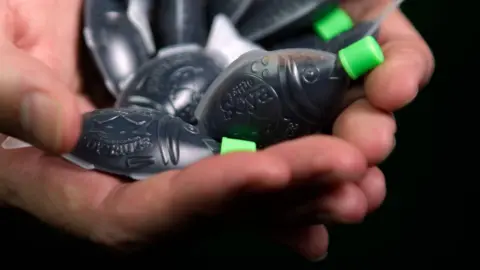
Beginning September 1, South Australia will prohibit shops from selling or distributing iconic fish-shaped soy sauce containers in an initiative aimed at cutting down single-use plastics. The ban, which includes containers that have a lid, is part of a broader strategy to address plastic waste, following previous legislation that already outlawed various other plastic items such as carrier bags and straws. Officials cite the need to protect the environment and marine life as key motivations for this legislation.
South Australia is moving ahead with a significant policy shift aimed at reducing plastic waste by banning the sale of the iconic fish-shaped soy sauce containers.
These beloved vessels, commonly found in Asian restaurants worldwide, contribute greatly to environmental pollution, as highlighted by the Environment Minister and Deputy Premier of South Australia, Susan Close. She stated that while each container is used only for seconds, their environmental impact lasts far longer.
Starting September 1, 2025, businesses will no longer be permitted to sell or distribute pre-filled 30ml soy sauce containers that feature a lid, cap, or stopper. This is part of a larger initiative to phase out single-use plastics.
The decision is a continuation of prior environmental legislation that has already banned supermarket carrier bags, plastic straws, and more. South Australian officials are emphasizing the objectives of reducing pollution, decreasing carbon emissions, and safeguarding marine life.
Despite the containers being made from recyclable polyethylene, their small size complicates efficient processing, often resulting in these items not being recycled appropriately.
The fish-shaped soy sauce containers have been part of culinary culture since their invention in Japan in 1954 by Teruo Watanabe, transitioning from materials like ceramic or glass to the more common plastic form we recognize today.
Consumers will still have access to soy sauce through larger bottles and sachets, as this ban does not affect those alternatives. Officials have warned that the annual flow of plastic into the oceans is predicted to triple by 2040, escalating to 29 million metric tonnes if action is not taken to address this issue.
A global comparison of plastic waste management ranks Australia as 7th among 25 nations, showcasing mixed results in mitigating plastic pollution.