In brief
A burgeoning debate has erupted in Australia surrounding the increasing presence of cabanas on public beaches, highlighting cultural tensions and the clash between individual rights and shared space.
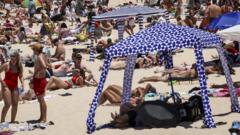
The sun-drenched shores of Australia have sparked a heated debate recently, igniting a full-blown turf war over the proliferation of beach cabanas, which have turned some beloved coastal areas into crowded zones of frustration. These large tents, colloquially known as cabanas, have become a staple of sunny beach days, creating both an escape from the harsh sun and, for many, an irksome barrier to relaxation."Sydneysiders complain there's barely room to lay down a towel with these cabanas taking over," noted local Claire, outlining a frustration widely shared among beachgoers who crave a slice of sand for their leisure. The cabana phenomenon, which began in the idyllic coastal town of Noosa, has swelled to a chaotic display of polyester fabric that often blocks views and weeds out casual beach visitors.Critics of the trend feel strongly that these beach tents occupy excessive public space, disrespecting fellow beachgoers in the process. "It feels like beachgoers have forgotten common courtesy," expressed anti-cabana advocate Nic Salerno on a televised discussion, stressing the right to enjoy shared environments unimpeded.In contrast, supporters of cabanas highlight the necessity of sun protection in the world's melanoma hotspot. The Cancer Council of Australia and numerous beachgoers advocate for the benefits of cabanas as they shield against harmful rays. "We have a cabana because we burn easily and want to stay safe," argued one user on social media amidst the frenzy.Prominent television presenter Davina Smith highlighted the competitive aspect of the cabana culture, claiming it's about securing "prime beach real estate." She and others wake early to claim their territories, emphasizing a form of beach strategy not previously needed.Prime Minister Anthony Albanese also weighed in on the polarizing issue, urging for respect of the egalitarian ideals associated with Australian beaches. "Everyone should access the beach freely; the cabana trend undermines this principle," he stated, aligning himself with sentiments echoed by many Australians who see the beach as a democratic space.Cultural tensions rooted in Australia’s egalitarianism drive the contention surrounding cabanas. With a societal history that reveres the beach as a shared sanctuary, the recent uptick in cabana culture has led to significant pushback that reflects deeper anxieties about coastal access for ordinary families. Experts like Chris Pepin-Neff have noted that while cabanas are relatively new, they underscore long-standing issues concerning beach usage and accessibility in a country where natural resources have historically been a shared asset. The disagreement shows no signs of resolving, prompting some advocacy for local councils to impose limits on cabana setups to restore beach harmony. Yet as feelings remain raw, some such as Claire warn that heavy-handed restrictions may only swing the pendulum too far in the other direction, leading to a divisive battle rather than a collective resolution.With opinions as varied and complex as the sands themselves, Australia's beach cabana debate continues to unfold, challenging notions of fairness, accessibility, and the meaning of community on its picturesque shores.